Kirby has always been one of Nintendo’s more consistently successful franchises. While the little pink puffball never had anything remotely resembling a ‘dark era’ like many other Nintendo series, there was a time around the turn of the century where Kirby began to spin his wheelies a bit.
After the 2000 release of Kirby 64: The Crystal Shards, developer HAL Laboratory immediately began work on Kirby’s next big adventure. Glimmers of a mainline Kirby title for the GameCube featuring the return of the helper system from Kirby Super Star with four-player co-op popped up in various circles over the years, including E3 2005, but a full-on game never materialised.
Years later, HAL revealed in an extensive Iwata Asks developer interview that it was one of three failed Kirby prototypes that they struggled developing during a decade-long stretch. With 3D games becoming the standard, should they go full 3D? Stay the course with classic 2D Kirby gameplay? Maybe a melding of the two?
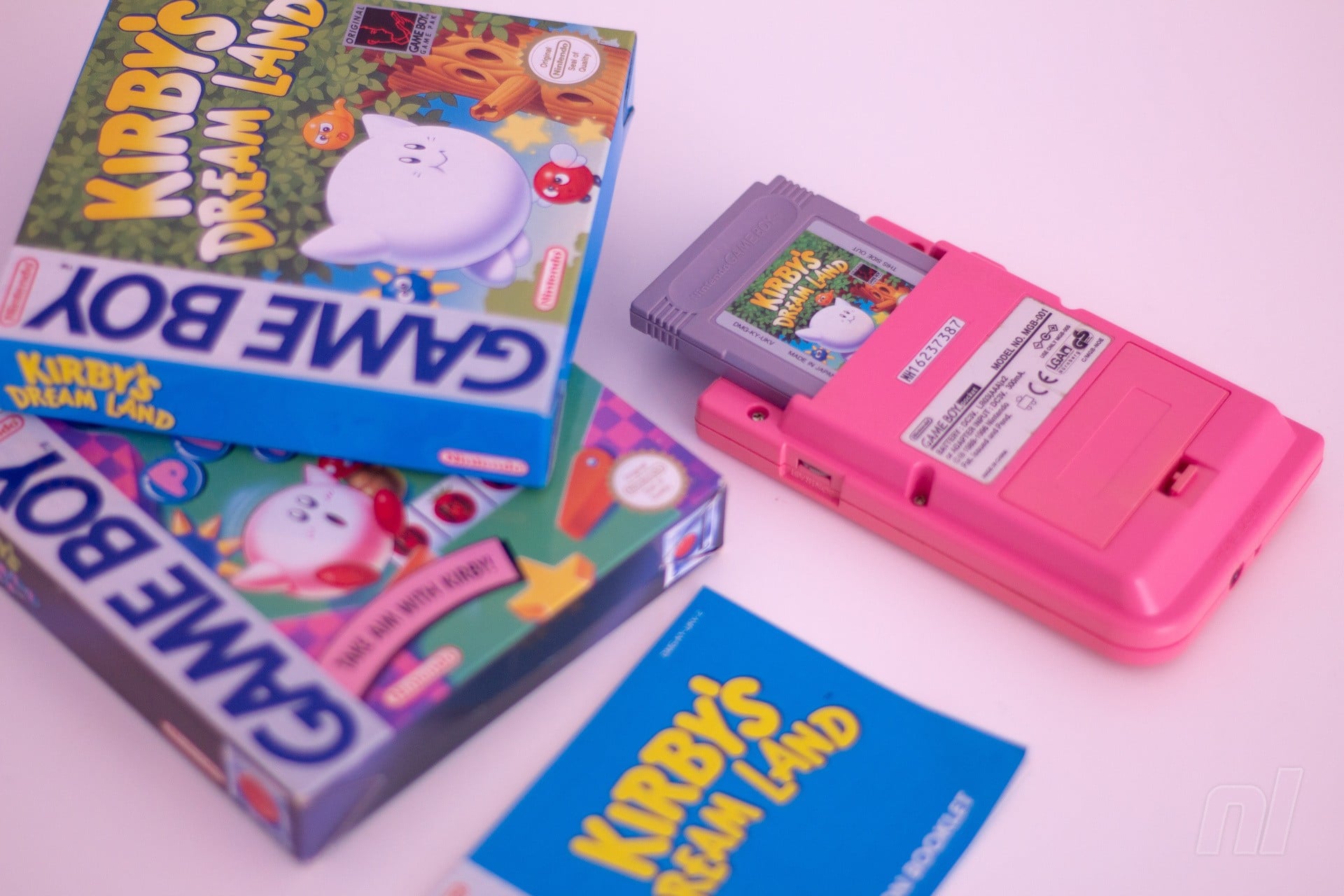
The correct answer was proving elusive as they tried again and again to figure out the perfect follow-up to Kirby’s N64 outing, with middling results. Granted, they did tide players over with several competent handheld games, remakes, and experimental titles in the interim, but fans like myself couldn’t help but wonder when Kirby would grace our TV screens again with a new major title.
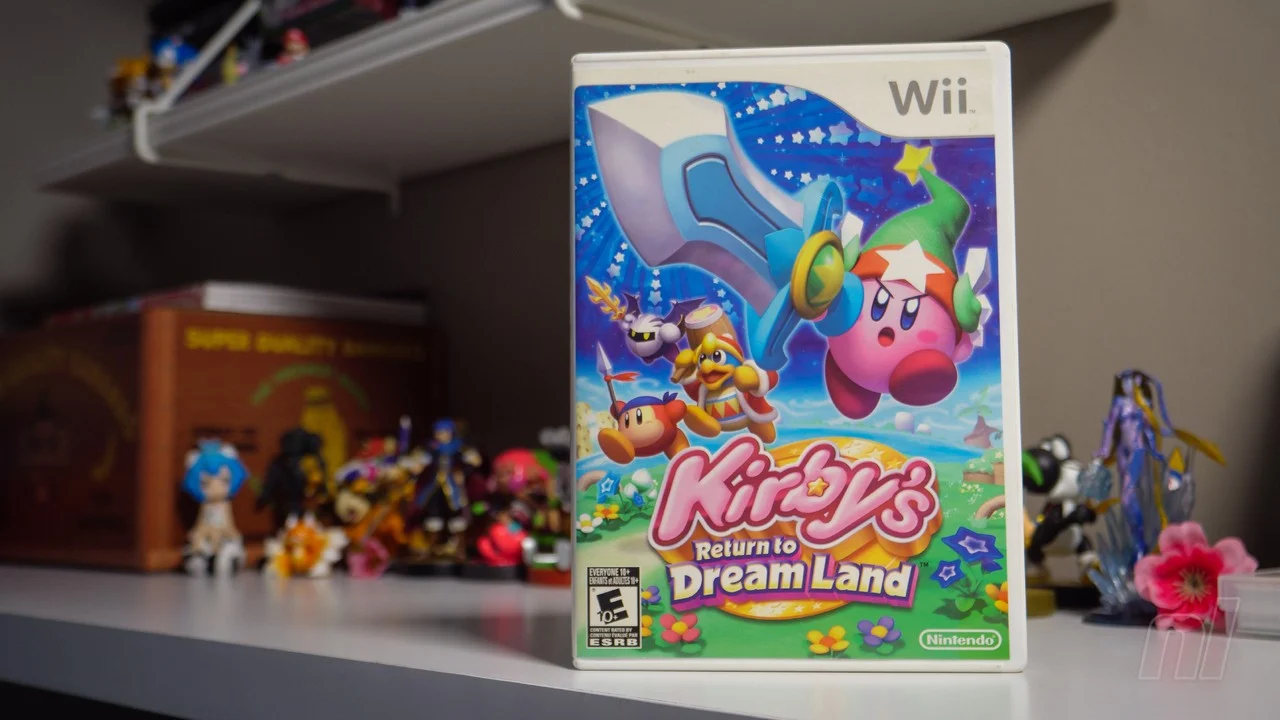
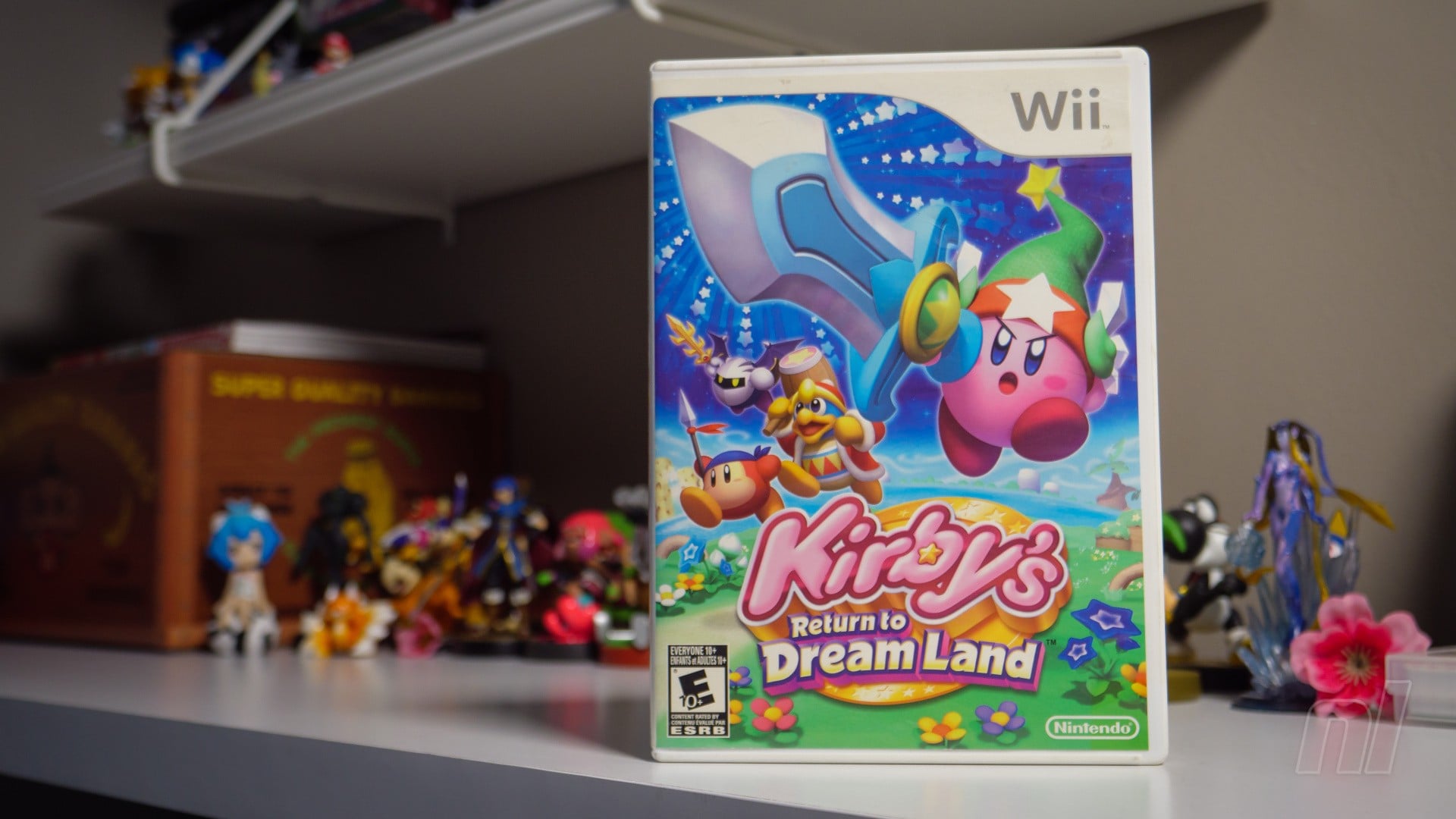
In 2011, that day finally arrived with the release of Kirby’s Return to Dream Land for the Wii—and it was absolutely worth the 11-year wait.
Fans well remember the plot of this iconic adventure. Kirby sees a spaceship crash-land nearby and heads off to investigate. Joining him in the investigation (for no logical narrative reason aside from justifying the game’s four-player co-op feature) is Bandana Dee, King Dedede, and Meta Knight. Inside the ship, the quartet meets the totally not-evil-sounding Magolor, a small, round alien boi who longs to return to his home planet of Halcandra.
However, with large chunks of his ship inconveniently scattered across the four corners of Pop Star, he has some heavy repairs to do before he can go anywhere. Kirby, being the good pink Samaritan he is, agrees to help Magolor recover the pieces of his ship.
Now, I’m not going to sit here and pretend that, despite the decade-long gap between home console games, Return to Dream Land (or Kirby’s Adventure Wii as it was called in Europe) shakes up the classic Kirby formula all that much. At the end of the day, it’s more of the same 2D side-scrolling Kirby goodness fans are well familiar with.
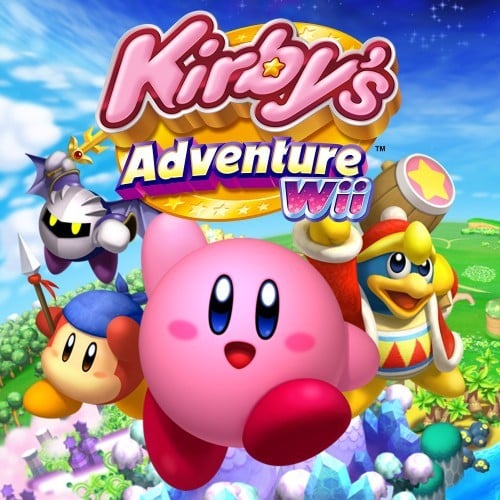
And really, what more do we need? Whereas many Nintendo franchises refuse to release new entries unless they can come up with some way to turn a classic formula on its head, HAL figured out it was perfectly fine to simply stay the course and keep doing Kirby as they did it best, with just enough new bells and whistles to engage players.
For Return to Dream Land, one such highlight was something the developers had sought to include from the time they completed development on Kirby 64: the aforementioned four-player co-op. While the levels were designed first and foremost for solo play, areas were included that could be more easily overcome with multiple players working together.
The other big addition was Super Abilities, powerful upgrades of Kirby’s typical Copy Abilities appearing toward the end of certain levels. The feeling of unmatched power from slicing through swathes of enemies with Ultra Sword or unleashing a gargantuan fire dragon to blaze through everything in your path with Monster Flame was intoxicating. These special segments were clearly designed for spectacle over difficulty, giving them a theatrical flair that, at times, led to me feeling like I was playing an interactive cutscene.
And I mean that in the most complimentary possible way.
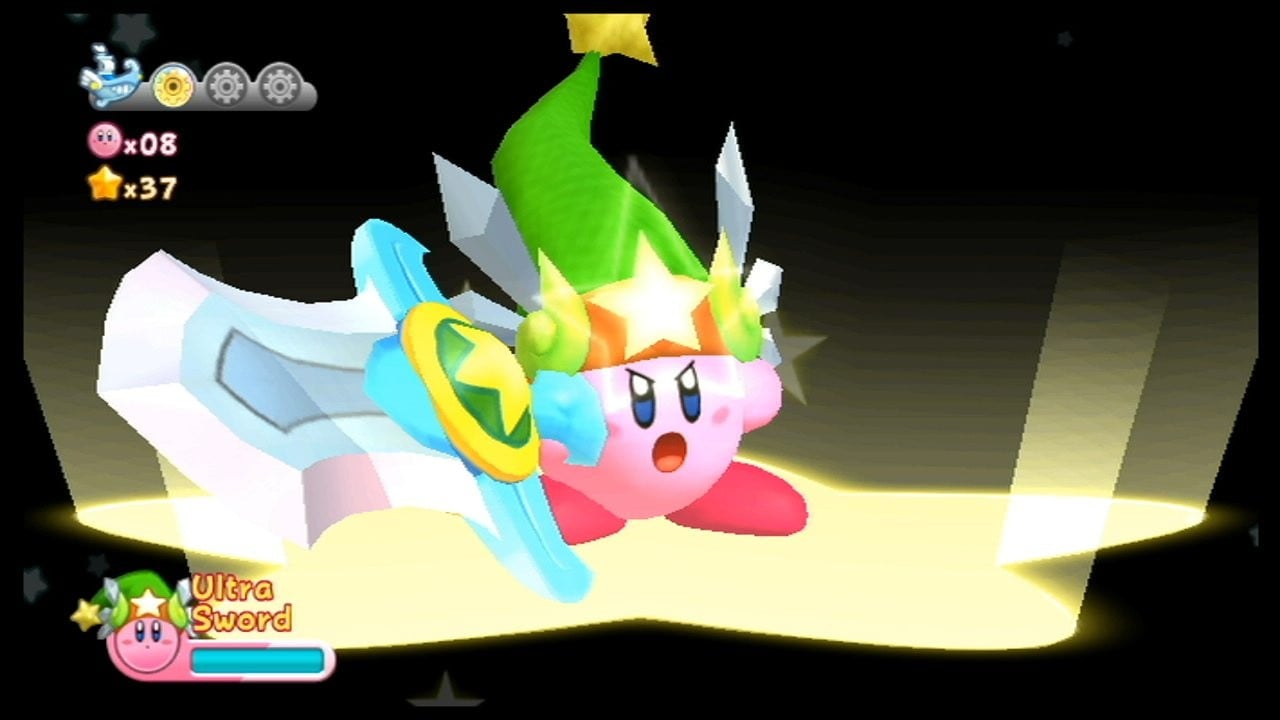
In fact, it’s that flair for the theatrical that still makes Return to Dream Land so memorable for me 15 years later. We’re ultimately looking at the same Kirby so many of us grew up with, but on a grander scale. Super Abilities could have easily been overused to the point where their appearances no longer felt special. Instead, they were utilised sparingly enough to provide just the right level of consistent spectacle, keeping you engaged as the story reached its epic climax. By that point, these powers were put to the test against some of the unusually resilient late-game bosses.
The last few boss battles, from Grand Doomer to Landia to Magolor himself (oh yes, 15-year spoiler: Magolor’s the bad guy), carried with them a hefty narrative weight that evoked a surprisingly strong visceral response from me. Nothing in a Kirby game up to that point had felt as emotionally satisfying as button-mashing my way through Magolor’s defences with a tower-sized sword, carving him up like a Thanksgiving turkey, and then watching Kirby calmly return the blade to his side with the elegance and flourish of a master swordsman.
Epic moments like these are far more commonplace in Kirby games nowadays, but Return to Dream Land was the trendsetter.
Not to be discounted was how Return to Dream Land ushered in a bright new era for Kirby titles. No longer would the franchise languish in uncertainty as it did throughout the 2000s. This was the beginning of a steady stream of releases year after year. Kirby: Triple Deluxe followed on the 3DS in 2014, Planet Robobot in 2016, Star Allies in 2018 and Forgotten Land in 2022, which would go on to become the best-selling Kirby game ever.
Most recently, Return to Dream Land was even one of the few Kirby titles privileged to get a full-on Deluxe remake on Switch in 2023, complete with an updated epilogue featuring playable Magolor.
Undoubtedly, part of this Kirby renaissance can be credited to Shinya Kumazaki, who took over as general director of the series around the time of Return to Dream Land’s release and oversees the series down to this day. With him at the helm, the franchise has also managed to weave together a complex tapestry of lore that connects the games in unexpected ways. (That’s a whole article in and of itself, so if you want to dive into the deep, dark waters of current Kirby lore, godspeed, my friend.) Every mainline Kirby title from Triple Deluxe to the upcoming Kirby and the World Beyond has Return to Dream Land to thank for giving them a solid foundation on which to build.
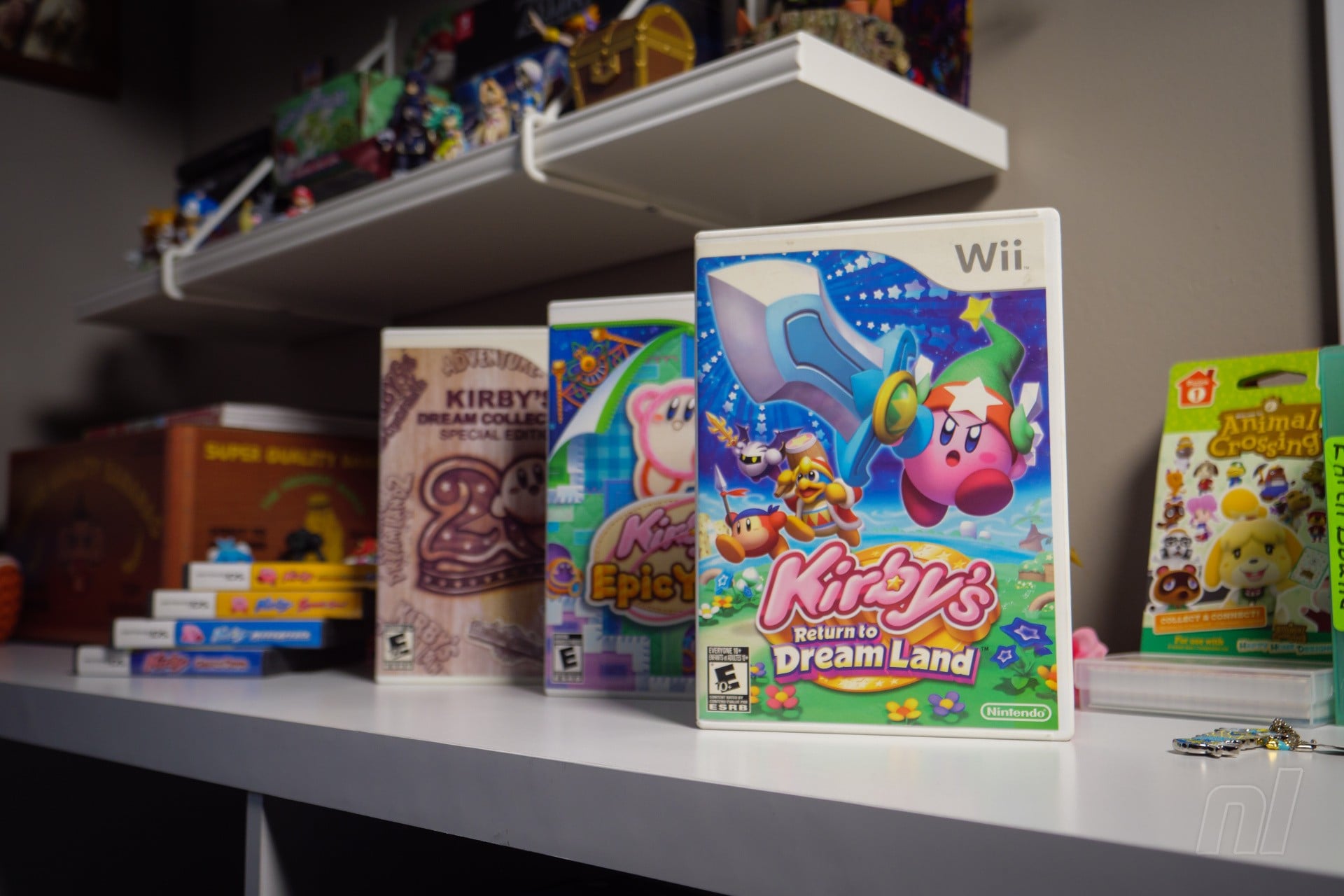
The World Beyond, in particular, looks to be sharing significant DNA with its predecessor. The game’s teaser trailer features Kirby powering up his sword in a manner not unlike the Ultra Sword from Return to Dream Land, complete with music that shares a leitmotif with the Super Ability tune. Add the strange marking that appears on Kirby’s face akin to the dimensional rifts from said game, and it’s abundantly clear that there’s some connection between World Beyond and the lore of Return to Dream Land.
In what capacity remains to be seen, but it’s nice seeing the game continuing to find new ways to impact the series 15 years later.