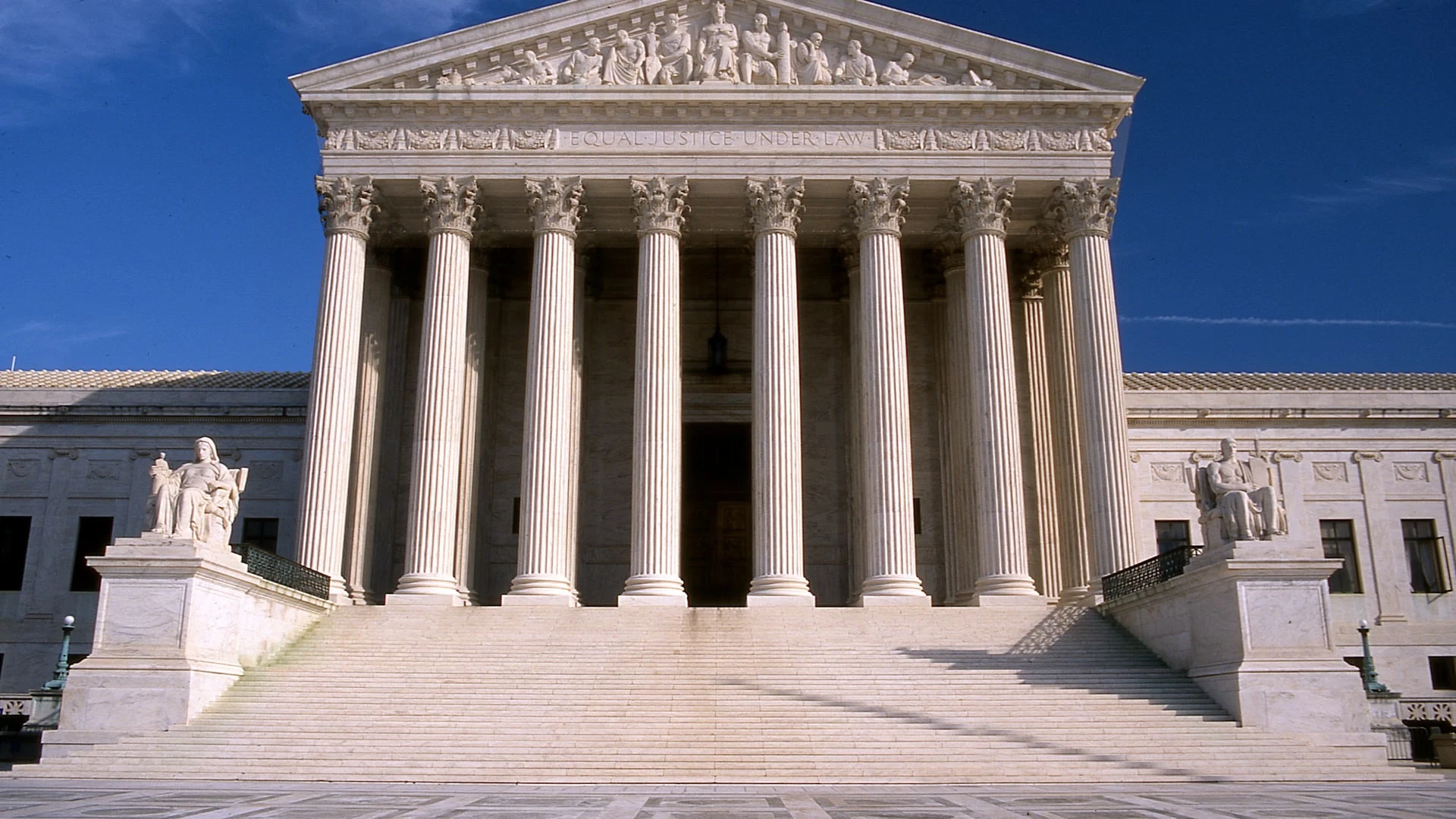
If sports betting and forecast markets look like various lines up for the exact same suit, the High court might decide which rulebook applies. The American Video gaming Association has urged the justices to evaluate a ruling that obstructs New Jacket from applying its video gaming legislations versus Kalshi’s sports event contracts.
That matters to esports fans because it is a contest the limit in between wagering items and government controlled markets, not just a conflict over Kalshi’s labels. The instance issues sporting activities occasion contracts and sports betting; its end result can still affect the broader wagering setting that affordable gaming target markets comply with.
The core inquiry is whether registration with the Commodity Futures Trading Compensation (CFTC), the government regulatory authority of derivatives markets, can put sports-linked agreements past state gaming regulations. New Jacket argues the High court should make a decision whether government law displaced states’ authority. The answer might influence forecast markets, licensed sportsbooks, consumers, and state and tribal regulatory authorities.
This is a territory fight, not a naming contest
New Jersey’s application challenges a Third Circuit ruling in Kalshi’s favor. That decision protects against the state from using its pc gaming regulations to the firm’s sports event agreements. The legal conflict activates just how the Dodd-Frank Wall Street Reform and Consumer Protection Act communicates with state authority over sporting activities betting supplied through CFTC-registered markets.
The AGA’s debate is that agreements based on sporting results operate as sporting activities wagering, whatever the product is called. It claims they do not offer equivalent customer defenses or contribute tax obligation revenue to states in the method certified sportsbooks do. The association likewise alerts that the Third Circuit ruling can let forecast markets use sports wagering across the country without conference state and tribal licensing and conformity demands.
That is the sharp edge of the case: whether government enrollment suffices to override the rules where customers really position these contracts. The competing CFTC and state regulatory techniques put a single national structure on one side and jurisdiction-by-jurisdiction gambling rules on the various other. The AGA’s quick makes its situation for the state-regulated model, yet a declaring is a debate, not a judgment.
The supporting briefs add stress, not a choice
The AGA is not the only one in backing New Jersey. A bipartisan group of 39 state attorney generals of the United States also filed in support, arguing that gambling regulation falls within states’ traditional authority. The NFL submitted a quick as well, raising concerns regarding video game integrity and suggesting that prediction markets lack safeguards similar to those utilized by qualified sporting activities wagering drivers.
Those filings expand the stakes, bringing sector, state-government, and organization issues into the very same instance. They do not work out whether the CFTC’s government oversight displaces state gambling laws. The High court need to first agree to listen to New Jacket’s application, and the Third Circuit judgment continues to be in place for this conflict unless the Court acts.
There is also a real-time inquiry about whether government oversight can deal with the issues elevated by the organizations and states. The NFL’s filing focuses on stability dangers, while the AGA stresses customer defenses, tax obligations, and competition with licensed drivers. Those relate problems, but they do not make the legal problem any type of less complex: the justices would certainly be deciding which regulatory authority commands, not supporting every case made by either side.
The next action comes from the justices
The dispute is not constrained to New Jersey. Kalshi’s Nevada lawsuits is an additional front in the broader fight over exactly how states can regulate sports occasion agreements. State regulations vary, while the government question gets to past any type of one driver or jurisdiction; that leaves licensed sportsbooks and prediction markets viewing the exact same disputed limit.
According to ESPN, Kalshi’s action to the petition schedules November 9, and the Supreme Court could make a decision whether to take the situation in December at the earliest. That choice would certainly be about approving evaluation, not resolving the qualities. The key reporting claims a judgment on the underlying conflict would likely come in 2027 if the justices accept hear it.
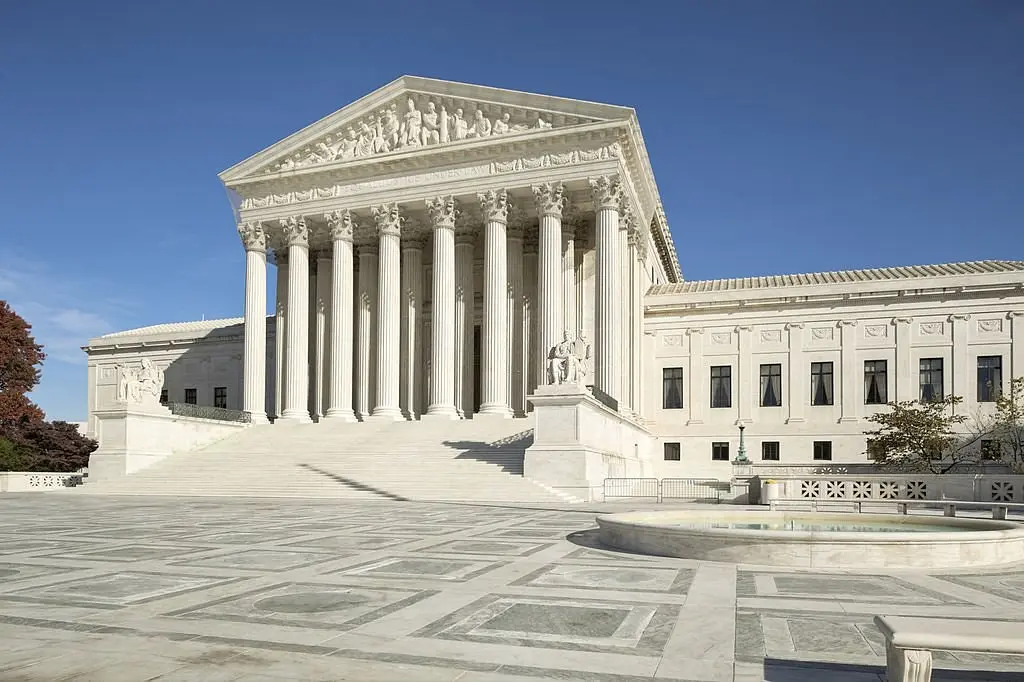
In the meantime, the instant landmark is whether the Court takes the case. If it does, the ultimate ruling could form whether sporting activities prediction markets operate under a nationwide government structure or face state and tribal gaming policies, with consequences for customers and accredited sportsbooks alike. For anyone adhering to wagering’s broadening overlap with competitive video gaming, that territory telephone call deserves continuing the radar, despite the fact that this instance is about sporting activities agreements instead of esports especially.