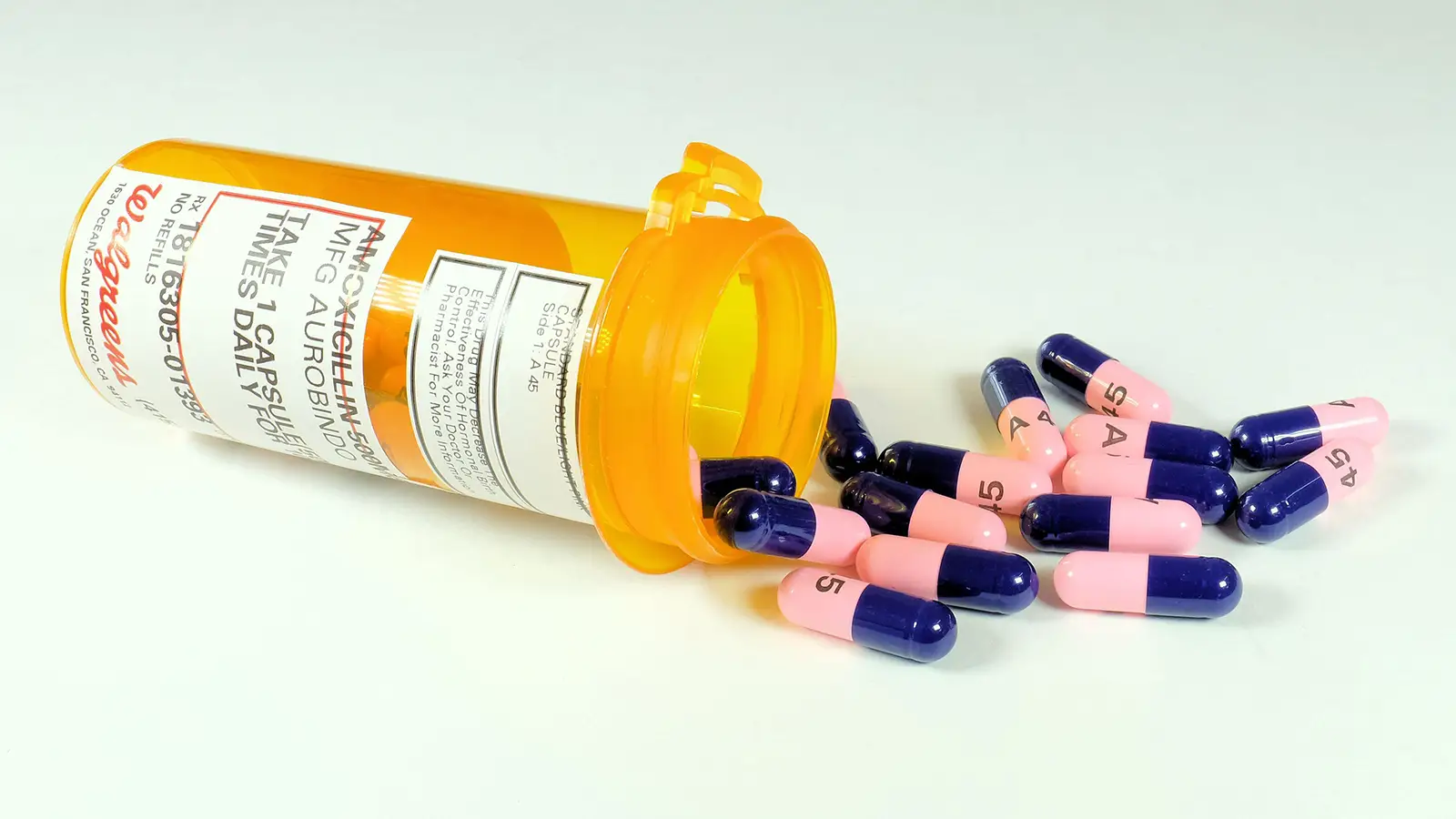
- More than one in four respondents to a survey said they misrepresented symptoms to try to get antibiotics for themselves or their children.
- Notably, most of those who misrepresented symptoms said they succeeded in getting antibiotics.
- Feeling that clinicians do not take symptoms seriously was associated with higher odds of reporting symptom misrepresentation to obtain antibiotics.
More than one in four adults said they misrepresented symptoms to try to get antibiotics for themselves or their children, survey results showed.
Among 959 adults, 27.9% said they had misrepresented symptoms to their clinicians to get antibiotics for themselves, with 26% reporting that they had exaggerated their existing symptoms and 16.7% reporting that they had made up symptoms that didn’t exist.
Notably, 76.9% of those who misrepresented symptoms at least once said they succeeded in getting antibiotics, noted Alistair Thorpe, PhD, of the University of Utah in Salt Lake City, and colleagues in JAMA Network Open.
Among 236 caregiver respondents, 26.7% reported that they had misrepresented a child’s symptoms to get clinicians to give them an antibiotic: 24.2% said they had exaggerated a child’s symptoms, 23.6% said they had fabricated symptoms, and 19.1% reported doing both. Of note, 87.3% said they’d successfully received antibiotics, reported Thorpe and colleagues in a separate research letter in JAMA Network Open.
“Together, these findings suggest concerning patient-clinician dynamics characterized by patients not feeling taken seriously, unclear and inconsistent messaging about antibiotics and antimicrobial resistance, conspiracy-like beliefs about antimicrobial resistance, and symptom misrepresentation to obtain antibiotics,” Thorpe and team wrote.
These results “signal a significant issue for health professionals making antibiotic prescribing decisions and for the fields of antimicrobial stewardship and public health,” they concluded.
Blame for unnecessary antibiotic prescriptions extends beyond dishonest patients, cautioned Jeffrey Linder, MD, MPH, of Northwestern University Feinberg School of Medicine in Chicago, in an accompanying commentary.
“It does not track that approximately 80% of respondents who reported misrepresenting their symptoms obtained a prescription unless prescribers were being willfully deceived or, more likely, just getting worn down with what they perceive as patient demand, regardless of actual clinical appropriateness,” Linder wrote.
For diagnoses for which antibiotics aren’t appropriate, “prescribing antibiotics is medically incorrect and could itself be considered a form of dishonesty or lying mainly to assuage the patient,” he noted. Beyond the potential danger to patients and the rise of antimicrobial resistance, “the more concerning negative externality of inappropriate antibiotic prescribing is, like lying, an erosion of trust.”
Prescribing antibiotics that clinicians know “are more likely to hurt than help … is an affront to clinicians’ professional responsibility to our patients,” Linder concluded. “Clinicians’ obligation is to act in patients’ best interest, even if patients are hoping we do something different, even if patients do not like it, or even if patients lie about their symptoms.”
Conducted in early 2026, the online survey asked U.S. adults if they had ever exaggerated or fabricated symptoms to obtain antibiotics. Respondents were also surveyed about their reasons for their decisions.
Among adults who misrepresented symptoms for themselves, cold-like symptoms were most often exaggerated or faked (65.7% of respondents), followed by stomach symptoms (49.3%), joint or muscle pain (46.3%), and nothing specific (36.9%). Of the eight symptom categories, only one — urinary symptoms — “clearly justified antibiotic prescribing,” Linder noted.
Among adults, reasons for misrepresenting their own symptoms included:
- Patients felt really sick (62.2%)
- Belief that antibiotics were the only thing that would help (61.8%)
- Antibiotics would get patients back to work or parenting sooner (61%)
- Didn’t want to get close contacts sick (57.1%)
- Patients knew their body and medical history better than the provider (54.1%)
- Patients should decide what treatments they need (49.8%)
- Belief that there’s no downside to taking antibiotics (40.4%)
- Belief that antibiotic resistance isn’t real (32.3%)
Factors associated with higher odds of reporting symptom misrepresentation to obtain antibiotics included often feeling that clinicians do not take their symptoms seriously (OR 2.19, 95% CI 1.49-3.22), believing that antibiotic resistance is a hoax (OR 1.98, 95% CI 1.34-2.93), reporting more comorbidities (OR 1.16, 95% CI 1.05-1.28), having higher lying acceptability scores (OR 1.49, 95% CI 1.23-1.80), and needing help reading health materials (OR 2.40, 95% CI 1.62-3.54). In contrast, dislike of taking antibiotics (OR 0.89, 95% CI 0.81-0.99) and higher antibiotic knowledge (OR 0.73, 95% CI 0.58-0.91) were associated with lower odds of misrepresentation.
Few patients had regrets about bending the truth to get antibiotics. Among adults, fewer than 30% said they regretted their action, and those who did were more likely to do so because of adverse effects or ineffectiveness than concerns about dishonesty.
Among caregivers who misrepresented a child’s symptoms, 63.5% who reported that they lied about symptoms said they did so because they felt clinicians didn’t take their child’s symptoms seriously. That group was significantly more likely to misrepresent symptoms (adjusted OR 3.34, 95% CI 1.44-7.99), as were caregivers whose child had comorbidities (aOR 1.24, 95% CI 1.02-1.54), those with higher lying acceptability scores (aOR 2.06, 95% CI 1.33-3.31), and those with lower health literacy (aOR 2.50, 95% CI 1.06-6.05).
Caregivers with higher antibiotic knowledge scores had lower odds of reporting symptom misrepresentation (aOR 0.55, 95% CI 0.31-0.93).
Study limitations included the small number of survey respondents, who may not represent the U.S. population. Inaccurate reporting also may have led to underreporting.