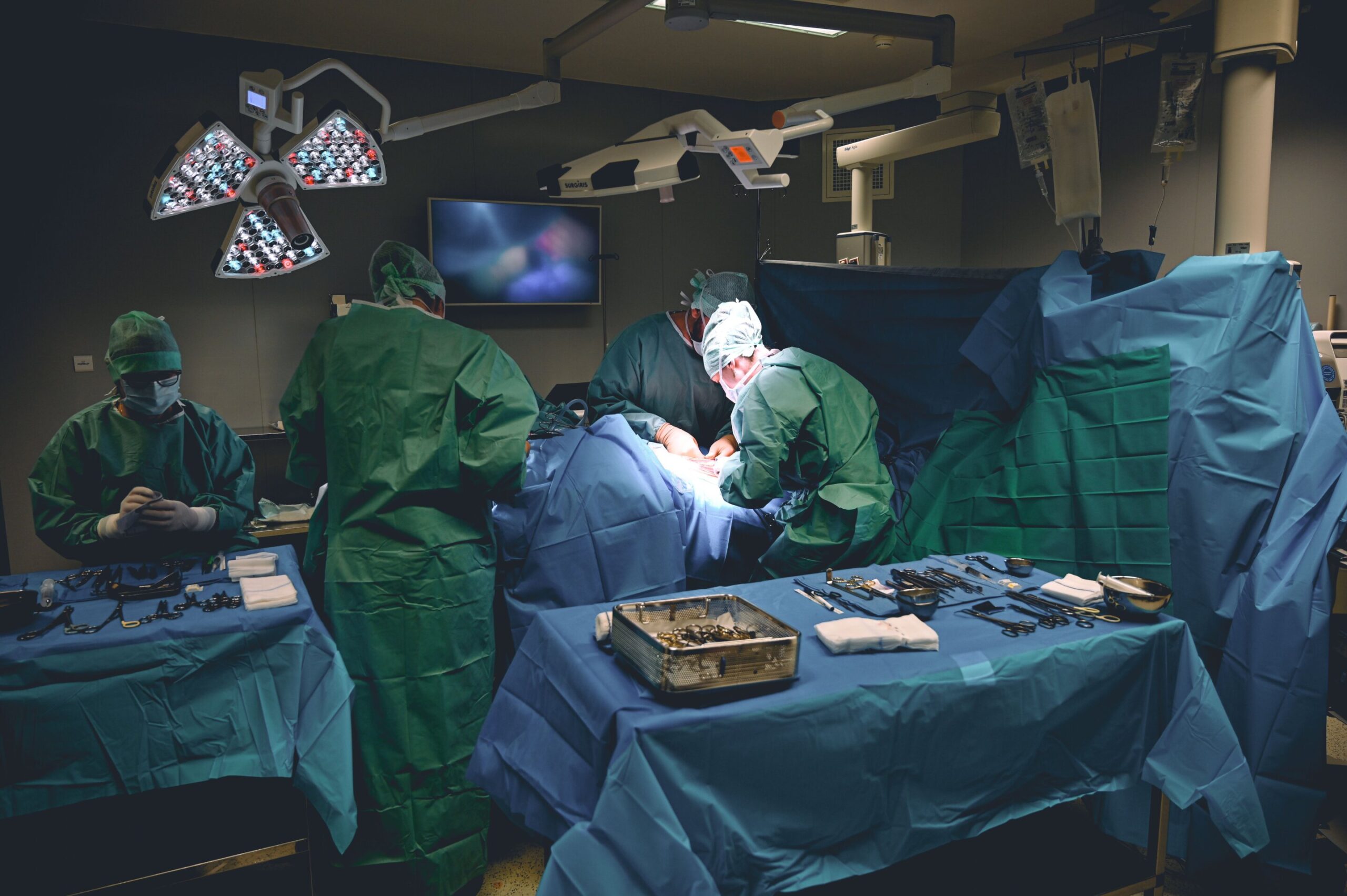

A study of more than 110,000 surgeries found that adding advanced air purification and sterilization systems to operating rooms did not reduce surgical site infections, postoperative complications or deaths, suggesting that hospitals should instead focus on preventing direct contamination of surgical wounds. The findings are published in the journal Anesthesiology.
Surgical site infections remain a leading cause of postoperative illness, death and hospital readmissions, according to the Centers for Disease Control and Prevention. These infections develop in the skin, tissue, organs or implanted material involved in a surgical procedure. About 1% to 3% of patients recovering from surgery develop a surgical site infection, although the risk is significantly higher for some procedures such as colorectal surgery.
“The causes of surgical site infections are not well understood,” said Daniel Sessler, professor and vice president for clinical and outcomes research at McGovern Medical School at UTHealth Houston. “We know the bacteria that cause them, but we do not know where the bacteria come from and why patients develop infections. There are many potential sources, and bacteria floating through the operating room is among them.”
To test the theory that airborne bacteria contribute to surgical site infections and that filtering the air reduces risk, researchers installed two air-purification systems in each of 68 operating rooms for four weeks at a time over the course of several years. Thirty-four operating rooms received an active air-purification system that filtered air and eliminated bacteria and other contaminants, while the remaining rooms received identical inactive units that looked and sounded the same. After four weeks, the systems were switched. Neither patients nor the clinical teams knew which operating rooms contained the active systems.
At the conclusion of the study, researchers found no difference in infection-related complications between periods with active and inactive air-purification systems. The findings suggest airborne bacteria may not be a major source of surgical site infections in modern operating rooms.
“This tells us we should shift our focus elsewhere,” Sessler said. “We are one step closer to identifying the factors that contribute most to these infections. Hospitals may benefit more from focusing on other possible sources, including bacteria from a patient’s own skin, bacteria from the intestines or infection prevention after surgery.”
Sessler said future research should evaluate air-purification systems in less sterile environments, such as hospital wards and intensive care units. He said the greatest opportunity to reduce infections may come from limiting direct wound contamination and improving surgical practices rather than adding air-cleaning technology.
Publication details
Daniel I. Sessler et al., Operating Room Air Filtration-Sterilization and Surgical Infections: The ORACLE Randomized Trial in 110,538 Surgeries, Anesthesiology (2026). DOI: 10.1097/aln.0000000000006424
Journal information:
Anesthesiology
Key medical concepts


Citation:
Study finds air purifiers do not reduce surgical infection risk (2026, October 20)
retrieved 20 October 2026
from https://medicalxpress.com/news/2026-10-air-purifiers-surgical-infection.html
This document is subject to copyright. Apart from any fair dealing for the purpose of private study or research, no
part may be reproduced without the written permission. The content is provided for information purposes only.