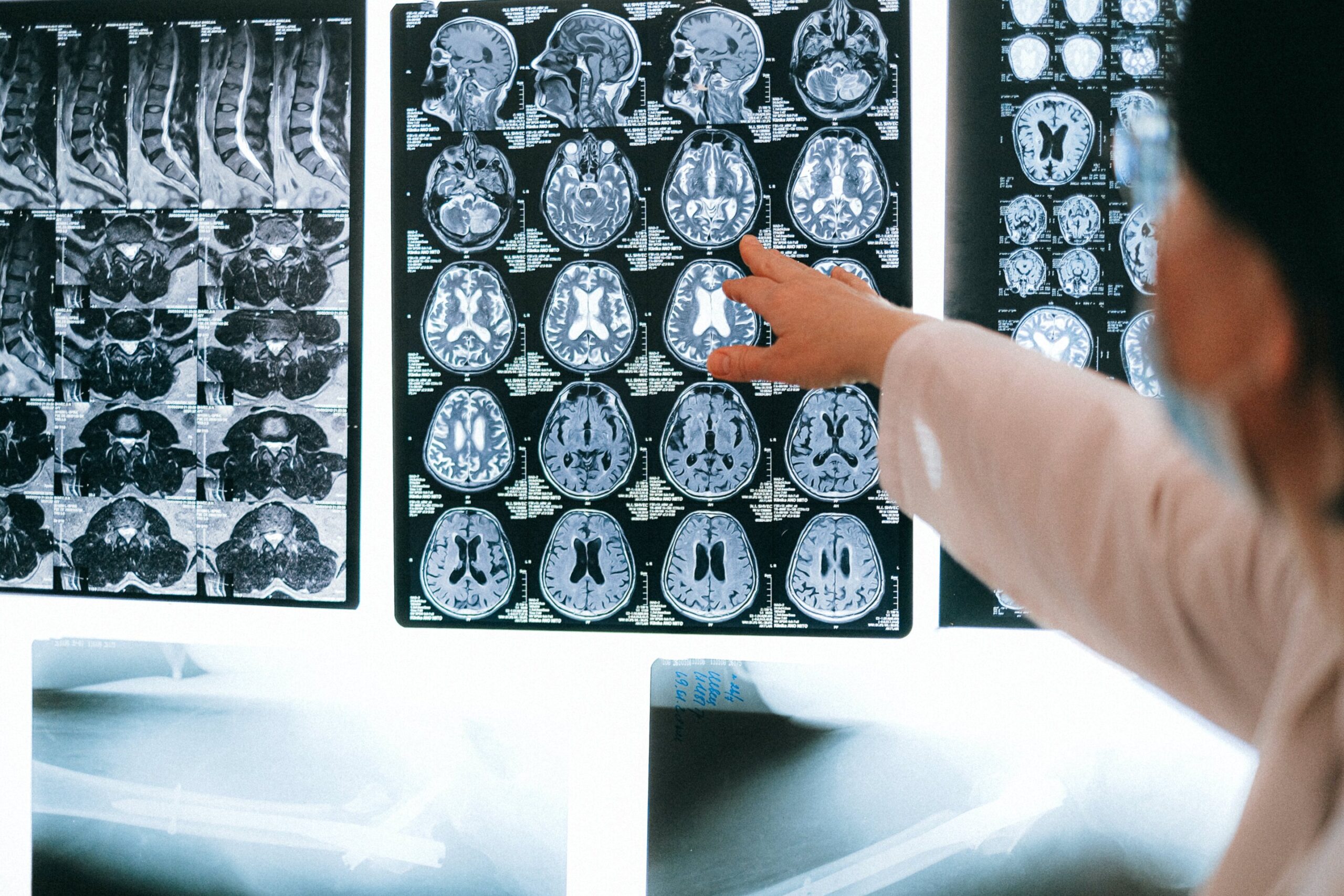

Nuclear medicine is playing an increasingly important role in the diagnosis and treatment of Alzheimer’s disease, helping clinicians visualize the biological changes associated with the condition and guide decisions about new therapies. Amyloid PET imaging is being used to confirm the presence of amyloid pathology and support treatment decisions for patients receiving anti-amyloid drugs, while tau PET scans can provide additional information about disease progression and prognosis.
At the 39th Annual Congress of the European Association of Nuclear Medicine (EANM’26), taking place from Oct. 17 to 21 in Vienna, experts will discuss first experiences with these PET scans in routine clinical use and explore the latest advances in nuclear medicine.
“Molecular imaging enables us to visualize functions and target structures using targeted tracers. This is vital for delivering precision medicine and tailoring treatment to the individual patient,” says Matthias Brendel, deputy director of the Department of Nuclear Medicine at LMU Munich. “Enormous progress is being made, particularly in the characterization and therapeutic monitoring of neurodegenerative diseases, above all in Alzheimer’s disease.”
Confirming the diagnosis before treatment
According to the World Health Organization, 57 million people were living with dementia worldwide in 2021. Alzheimer’s disease is the most common form of dementia, accounting for 60% to 70% of all cases.
“With an amyloid PET scan we can visualize the amyloid in the brain of a person with dementia and determine whether it is actually Alzheimer’s disease or another form of dementia,” explains Brendel. “This is important because the new therapy using monoclonal antibodies against beta-amyloid—lecanemab and donanemab, which have been approved in recent years by the FDA and the European Commission—can only be effective in cases of Alzheimer’s disease.”
Blood and cerebrospinal fluid biomarkers can also support the diagnosis but in many cases leave some uncertainty, according to Brendel, who recommends an amyloid PET scan for confirmation before starting treatment.
Showing how treatment is working
Amyloid PET can also help clinicians monitor the response to treatment. “The scan shows at what point the amyloid level in the brain falls below the detection limit, meaning the scan is amyloid-negative. Many patients experience this after taking donanemab for 12 months, even though the treatment is generally designed to last 1.5 years.
“In a phase 3 trial for donanemab published in the Journal of the American Medical Association (JAMA), 52% of participants who received the drug completed their entire course of treatment in less than 12 months. Once the amyloid has been cleared, clinicians may be able to consider ending treatment,” says the nuclear medicine specialist.
Treating Alzheimer’s before symptoms progress
Amyloid-beta is a protein that occurs naturally in the brain. In people with Alzheimer’s disease, it accumulates between the brain cells, initially forming small clumps and later developing into large plaques. This process begins years before the first symptoms.
“The tracers used in PET scans bind to the compact plaques and visualize them, while the drugs act on the early aggregates and can therefore slow the progression of the disease by up to 30% at an early stage, according to clinical trials,” points out Brendel.
The earlier treatment can be started, the better, according to the nuclear medicine specialist. Lecanemab and donanemab are therefore aimed at patients in the early stages of the disease, with mild cognitive impairment or mild dementia.
Tau PET: predicting the course of the disease
In Alzheimer’s disease, amyloid-beta works together with another protein, tau, to disrupt communication between nerve cells, which then die off progressively. Although no approved drug yet targets tau deposits, tau PET scans are already of great value, says Brendel.
“At our clinic alone, more than 500 amyloid and tau PET scans are carried out each year to diagnose Alzheimer’s disease. Using the tracer employed at the LMU Medical Centre, we also obtain a binding curve which allows us to determine whether there are amyloid-beta-associated tau deposits and to assess the extent of neuronal damage. This enables us to make accurate predictions regarding the progression of the disease and the likelihood of a positive response to treatment.”
Clinical trials with donanemab showed that patients with low levels of tau respond better to the new drugs than those with high levels of tau in the brain, according to Brendel. “Amyloid PET is important for establishing a definitive diagnosis of Alzheimer’s in general,” says the nuclear medicine specialist. “Tau PET has the greatest potential because it can help us determine, with a high degree of certainty, who is particularly suitable for the therapies that are already available and who would benefit little from them.”
Looking ahead: a new antibody in development
A phase 3 trial for trontinemab, an amyloid antibody that crosses the blood-brain barrier using its own shuttle mechanism, is currently underway. “This could significantly increase the availability of the antibody in the brain and reduce side effects. Treatment could then be completed more quickly, possibly within three to four months. Here too, amyloid PET would be needed to confirm that treatment has been successful, but we must, of course, await the completion of the regulatory approval trials,” adds Brendel.
Provided by
European Association of Nuclear Medicine


Citation:
Brain PET scans help select and monitor patients for new Alzheimer’s drugs (2026, October 16)
retrieved 16 October 2026
from https://medicalxpress.com/news/2026-10-brain-pet-scans-patients-alzheimer.html
This document is subject to copyright. Apart from any fair dealing for the purpose of private study or research, no
part may be reproduced without the written permission. The content is provided for information purposes only.