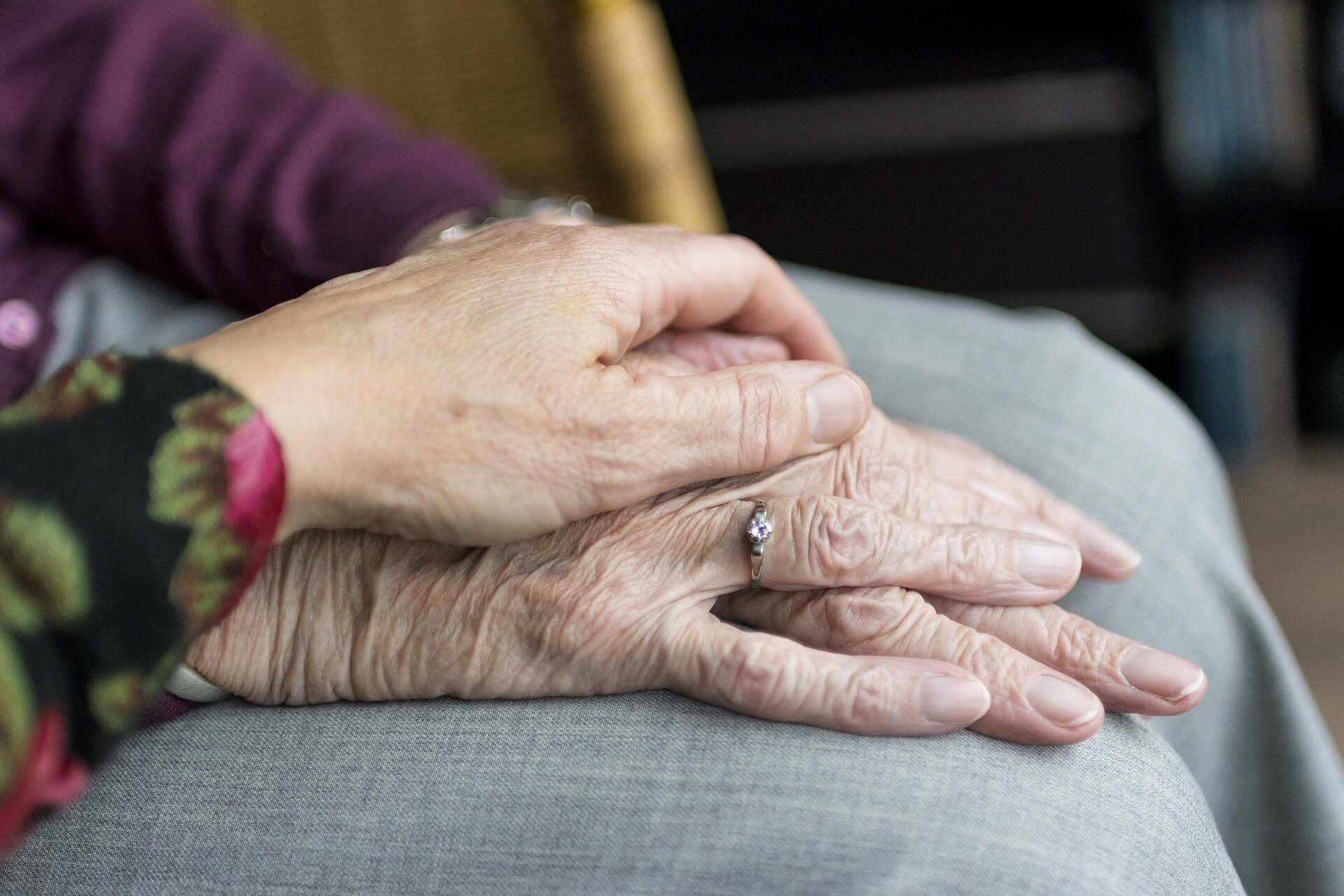
While doctors fight to save the lives of cancer patients in intensive care, family members, partners and friends are often left carrying a heavy burden of their own, with research revealing widespread anxiety, depression, exhaustion and declining well-being among those supporting a loved one through a critical illness.
Published in the journal Intensive & Critical Care Nursing, the review analyzed nine international studies involving 924 participants and paints a bleak picture of the hidden impact on caregivers.
One study found 71% experienced symptoms of anxiety and around half reported symptoms of depression. Almost all reported difficulties caring for themselves, while exhaustion, poor sleep and social isolation were common.
Caregivers also faced significant uncertainty about their loved one’s future and often felt they lacked information about what would happen after an ICU admission. Many were juggling caregiving, work and family commitments, and some continued to experience distress months after the critical illness had passed.
National Carers Week (Oct. 11–17) aims to recognize and raise awareness of the more than 3 million Australians who provide unpaid care to a family member or friend.
Lead author and Flinders University Ph.D. student Shalyn Rourke says the review highlights a group whose needs are often overlooked during a medical crisis.
“When someone with cancer becomes critically ill, the focus understandably turns to the patient, but family members and friends are often experiencing considerable distress themselves,” says Rourke from the Flinders LiveWell Research Center.
“Many caregivers are trying to navigate uncertainty about their loved one’s recovery while balancing work, family responsibilities and complex health care decisions. Too often, they are putting their own well-being aside in the process.”
Senior author and Ph.D. supervisor Catherine Paterson, a professor of cancer nursing, says the findings suggest caregivers of people with cancer in ICU face unique challenges.
“Caregivers are not only dealing with a critical illness, but also the complexities and uncertainties that come with a cancer diagnosis,” says Paterson, who is co-director of the Flinders LiveWell Research Center, Caring Futures Institute. “Our review suggests these circumstances can create emotional, informational and practical support needs that are not always recognized.”
The study also revealed a significant gap in understanding how critical care and cancer services work together to support caregivers. Despite the substantial burden identified, only two studies explored the perspectives of health care professionals and the role of the multidisciplinary team in delivering coordinated support.
Paterson says there is an important opportunity for health services to better identify and respond to caregiver distress.
“Nurses and the wider multidisciplinary team are well placed to look out for signs of distress in caregivers and ensure they receive appropriate support and include them in follow-up care after an ICU admission,” she says.
“Better communication between intensive care and cancer services could help ensure caregivers receive the information and guidance they need during what is often one of the most difficult periods of their lives.”
The researchers say further research is needed to better understand how health care services can deliver coordinated, family-centered care that supports not only patients, but also the people who care for them.
“These caregivers play a vital role in a patient’s recovery and ongoing cancer journey, and if we want to improve outcomes for patients, we cannot overlook the well-being of the people who support them,” concludes Paterson.
More information
Shalyn Rourke et al., Quality of life and supportive care among informal caregivers of people with cancer during a critical illness in the ICU: A mixed methods systematic review, Intensive and Critical Care Nursing (2027). DOI: 10.1016/j.iccn.2026.104497


Citation:
When cancer turns critical, the patient isn’t the only one suffering (2026, October 17)
retrieved 17 October 2026
from https://medicalxpress.com/news/2026-10-cancer-critical-patient-isnt.html
This document is subject to copyright. Apart from any fair dealing for the purpose of private study or research, no
part may be reproduced without the written permission. The content is provided for information purposes only.