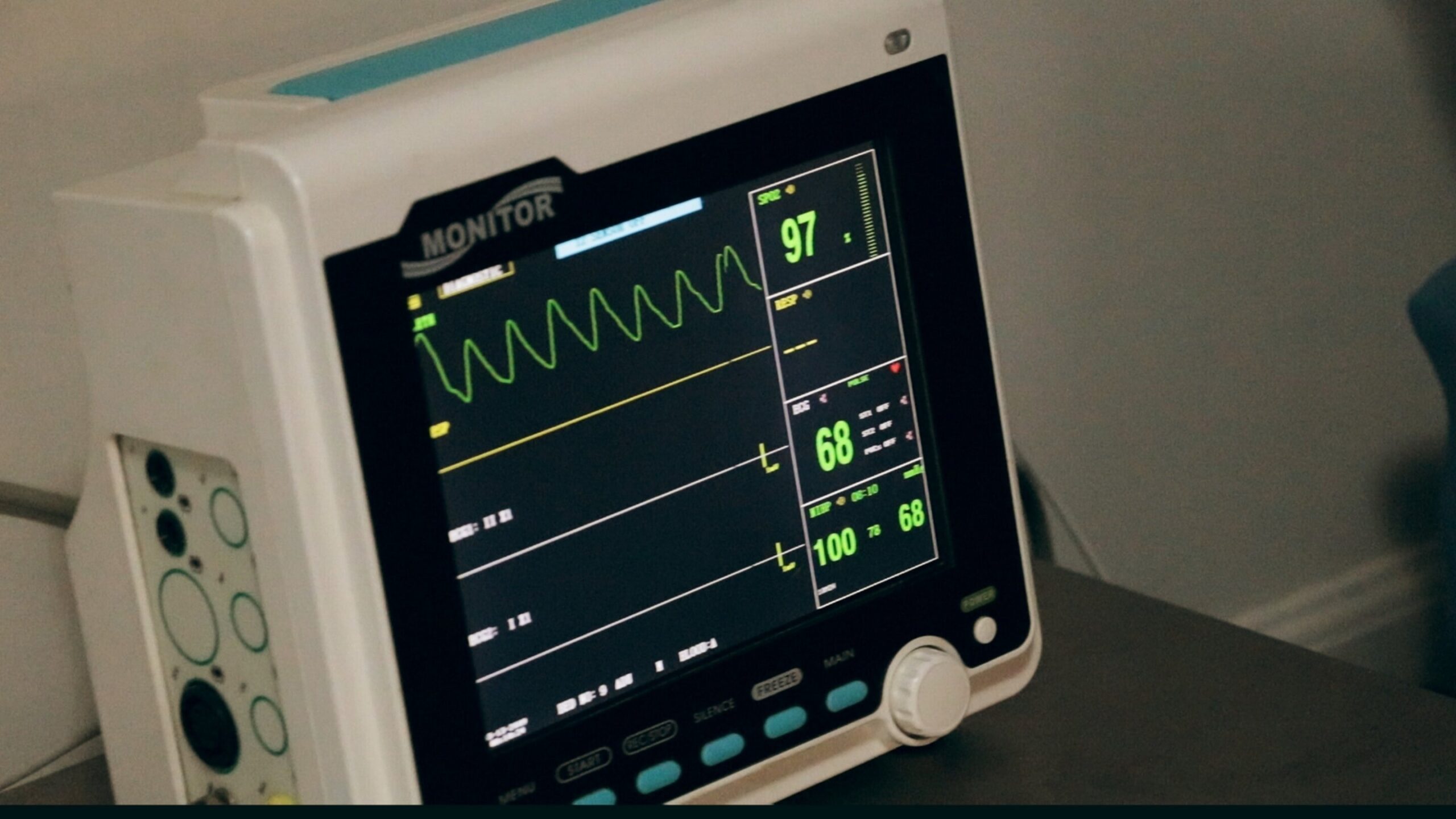
As daily temperatures climbed above 90 degrees Fahrenheit (F) (32 degrees Celsius) across the U.S., so did the rate of out-of-hospital (OHCA) cardiac arrest admissions to hospitals’ intensive care units (ICUs). However, the heat didn’t appear to affect the overall outcomes of people admitted for cardiac arrest during heat waves compared with other times, according to new, independent, preliminary research to be presented at the American Heart Association’s Resuscitation Science Symposium 2026.
The meeting will be held Nov. 7–8 in Chicago and will feature the most recent advances related to treating cardiopulmonary arrest and life-threatening traumatic injury.
Cardiac arrest occurs when the heart’s electrical system abruptly malfunctions and stops the heart from pumping blood to the rest of the body, which results in loss of blood flow to the brain, lungs and other vital organs. Out-of-hospital cardiac arrest (OHCA) is a serious cardiovascular emergency, and approximately 90% of people who experience OHCA do not survive.
Extreme heat has been known to increase the risk of cardiac arrest, although this has historically been measured using EMS calls or deaths. Those most vulnerable include older adults, people with disabilities and individuals who lack air conditioning or reliable transportation. As extreme heat events become more common globally, these researchers sought to better understand how heat exposure may affect people who experience OHCA, including their need for intensive care and their chances of recovery after arriving at the hospital.
“Heat waves are becoming more frequent and intense nationally, causing additional strain on communities and emergency services, as well as on hospitals that must absorb the influx of climate-related illnesses. This is important because ICU beds, equipment and staff are limited, and sudden increases in critically ill patients can quickly overwhelm hospital resources if we are not ready,” said Peter Graffy, Ph.D., M.P.H., a postdoctoral fellow in the section of pulmonary and critical care at the University of Chicago.
“People who are resuscitated after out-of-hospital cardiac arrest are usually admitted to an intensive care unit because they are often unconscious and unable to breathe independently. They may require advanced life support for several days or weeks while patients’ families wait to see if their loved one regains consciousness.”
Researchers analyzed data from 10 health systems across the U.S. participating in the Common Longitudinal ICU Format Consortium (CLIF), a network that standardizes electronic health record data across hospitals for research. Daily temperatures near each hospital were recorded, with humidity and air pollution also taken into account. These data were cross-analyzed to determine if hotter days were associated with more OHCA admissions to the ICU. The researchers also tracked whether heat exposure was associated with an increase in the number of people who required organ support, differences in laboratory markers or changes in outcomes such as survival and neurological recovery.
During the study period from 2018 to 2024, more than 11,000 patients with OHCA were admitted to an intensive care unit. About half of those were admitted during warm-weather seasons, and 270 were admitted during a period of extreme heat (>90 degrees F) (32 degrees Celsius).
What are the study’s key findings?
- The researchers found that as temperatures climbed past 90 degrees F (32 degrees Celsius), so did the rate of OHCA admissions to the ICU compared with days at or below 67 degrees F (19 degrees Celsius) (the median reference temperature across all CLIF sites).
- When daytime temperatures reached 91 degrees F (33 degrees Celsius) or higher, the daily rate of OHCA admissions to the ICU increased by 45% compared with days with a maximum temperature of 85 degrees F (29 degrees Celsius). The increase was 65% at 93 degrees F (34 degrees Celsius) and 102% at 98 degrees F (37 degrees Celsius).
- People 65 and older had a 48% higher admission rate for OHCA at 90 degrees F (32 degrees Celsius) versus 67 degrees F (19 degrees Celsius).
- Women were admitted for OHCA at a rate 33% higher on days with extreme heat.
- When daytime temperatures reached 98 degrees F (37 degrees Celsius), there were approximately 1.5 additional OHCA ICU admissions across the 10 health systems compared with days with a median temperature of 67 degrees F (19 degrees Celsius).
People admitted to the hospital after cardiac arrest on days with temperatures of 90 degrees F (32 degrees Celsius) or warmer were more likely to require interventions for low blood pressure and, later in their ICU stay, continuous dialysis for kidney dysfunction. They also had markers for impaired circulation and metabolic stress while in the ICU.
However, despite the need for different clinical interventions during the ICU stay, the overall hospital discharge status and survival rate of these individuals were similar to those of people admitted after cardiac arrest during times when temperatures were closer to 70 degrees F (21 degrees Celsius). No significant differences were seen in rates of discharge home, transfer to an acute care hospital or death in the hospital based on temperature at admission.
“We were surprised to find that outcomes were not that different between the two groups,” Graffy said. “We had assumed that since extreme heat typically contributes to multiorgan system dysfunction, the rates of death would be higher among the people whose OHCA was potentially influenced by heat. But this was not the case, and we think this is likely a testament to clinicians and care teams both in the emergency department and ICU who effectively stabilize these individuals with OHCA upon admission to give them the best chance at recovery.”
However, Graffy noted, the increase in ICU admissions during heat waves has a profound impact on health systems. “The health effects of extreme heat do not stop when an ambulance reaches the hospital. Our findings show that heat is associated with more cardiac arrest admissions and greater needs for advanced critical care interventions, which can strain already limited ICU capacity,” he said.
“Since OHCA can take days to weeks to resolve in the ICU, the eventual outcomes are not being attributed to heat despite it potentially being the primary reason for OHCA onset. As extreme heat becomes more common, health care systems must adapt and prepare for its growing impact. Our goal is that hospitals could one day use temperature forecasts in a data-driven way to adequately prepare ICU beds, staff, resources and coordination between emergency departments and intensive care units.”
“For the public and caregivers, especially those supporting older or medically vulnerable adults, heat warnings should be taken seriously because extreme heat can have consequences that extend from the home all the way through to the ICU,” said Ashish Panchal, M.D., Ph.D., FAHA, volunteer chair of the American Heart Association Emergency Cardiovascular Care Committee, physician and professor of emergency medicine at The Ohio State University.
“We also know that about 70% of cardiac arrests that happen outside of a hospital happen at home, and people need to be prepared: At a minimum, everyone should learn the lifesaving skills of CPR and seek medical care as quickly as possible.”


Citation:
Cardiac arrest ICU admissions rose with outdoor heat, especially in women, older adults (2026, November 2)
retrieved 2 November 2026
from https://medicalxpress.com/news/2026-10-cardiac-icu-admissions-rose-outdoor.html
This document is subject to copyright. Apart from any fair dealing for the purpose of private study or research, no
part may be reproduced without the written permission. The content is provided for information purposes only.