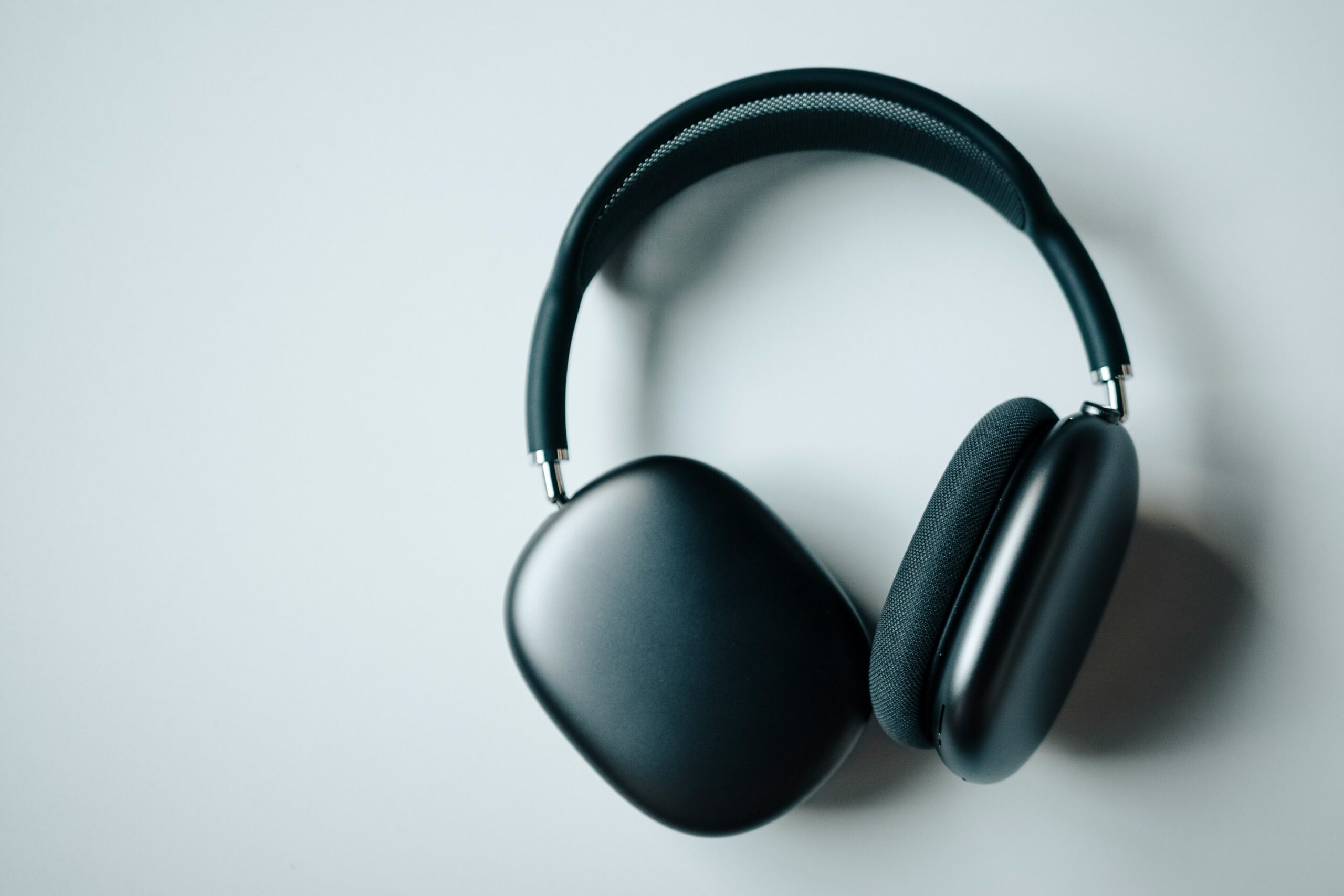
Patients who wore noise-canceling headphones during minimally invasive gynecological surgery were significantly less likely to experience postoperative nausea and vomiting (PONV), suggest findings from a randomized clinical trial presented at the Anesthesiology 2026 annual meeting.
PONV is one of the most common unpleasant side effects after surgery and anesthesia that can lead to dehydration, delayed recovery, added medication use and longer stays in the recovery room. Anesthetic and pain medications are well-known contributors to PONV, but researchers say noise in the operating room may be another, less-recognized factor.
Patients who have minimally invasive gynecological surgery under general anesthesia are at particularly high risk for PONV, even when they receive recommended medications to prevent it.
“Patients under general anesthesia aren’t consciously aware of what’s happening around them, but that doesn’t mean the brain completely stops processing sound,” said Huayue Liu, M.D., lead author of the study and an anesthesiologist at the First Affiliated Hospital of Soochow University, Suzhou, China.
“Our findings suggest that simply reducing intraoperative noise could give anesthesiologists another tool to help prevent PONV after surgery, without adding another medication.”
In the study, 192 adults ages 18 to 65 under general anesthesia were randomly assigned to one of two groups. Half wore commercially available over-the-head noise-canceling headphones from the start of anesthesia until the surgery ended; the other half did not. All patients received the same anesthesia and standard PONV-prevention medication.
Within 48 hours of surgery, 35.4% of patients who wore headphones experienced PONV, compared to 52.1% of those who did not—a 32% lower risk. In other words, about 17 fewer patients experienced PONV for every 100 who wore headphones. Those who wore headphones also had less severe PONV within the first 24 hours. There was no increase in adverse events in the headphone-wearing group.
Operating-room sound levels in the study averaged about 66 decibels, somewhere between normal conversation and a nearby vacuum cleaner. Although that level is far below the noise of a jackhammer, the authors note that patients under general anesthesia are not consciously aware of sound, but their bodies may still process it in ways that are not fully understood.
“Future studies should measure the amount of noise patients are exposed to during surgery and how their brains and bodies respond to better understand whether and how sound may affect PONV,” Liu said.
Key medical concepts
Clinical categories


Citation:
Wearing headphones during surgery may reduce nausea and vomiting afterward (2026, October 17)
retrieved 17 October 2026
from https://medicalxpress.com/news/2026-10-headphones-surgery-nausea-vomiting-afterward.html
This document is subject to copyright. Apart from any fair dealing for the purpose of private study or research, no
part may be reproduced without the written permission. The content is provided for information purposes only.