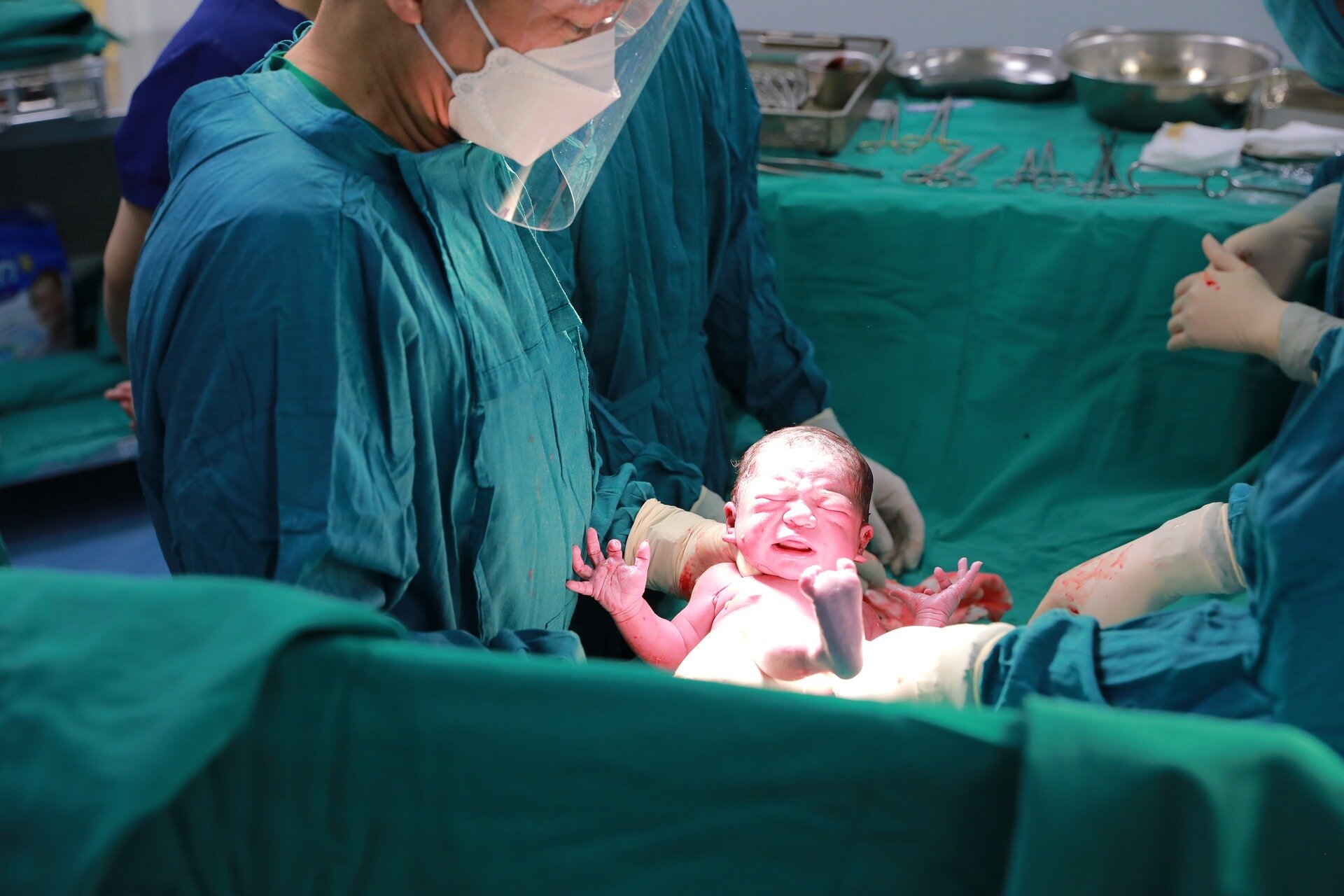
Ketamine, a medication used in operating rooms for anesthesia and pain control, may offer another benefit for some new mothers: easing early symptoms of postpartum depression after cesarean delivery (C-section), according to a study presented at the ANESTHESIOLOGY 2026 annual meeting.
A new meta-analysis found that administering ketamine or esketamine (a ketamine derivative) during or immediately after a C-section was associated with a statistically significant reduction in depressive symptoms within the first two weeks after birth, a vulnerable period for women as they recover from surgery and care for their infants.
“Ketamine is known for its rapid antidepressant effects in psychiatric settings, and our findings suggest it may offer benefits beyond anesthesia and pain relief for women having a C-section,” said Peter Hsin, B.S., lead author of the study and a medical student at FIU Herbert Wertheim College of Medicine, Miami.
“This is promising, but it is too early to say that ketamine prevents clinically diagnosed postpartum depression or that it should be used routinely.”
Postpartum depression affects about one in five women after childbirth and can have serious consequences for mothers, infants and families. C-sections have been associated with a higher risk of postpartum depressive symptoms, such as sadness, anxiety, irritability, loss of interest and difficulty bonding with the baby, prompting researchers to explore whether medications used during surgery could help reduce symptom burden in the postpartum period.
The study authors reviewed six randomized controlled trials published from January 2015 through September 2025, involving 1,832 women undergoing elective C-sections. Patients received ketamine or esketamine during or after surgery and were compared to those who didn’t receive either medication.
The analysis used scores from the Edinburgh Postnatal Depression Scale, a widely used screening questionnaire that helps identify postpartum depressive symptoms, measured between postoperative days three and 14.
Women who received ketamine or esketamine had a small-to-moderate reduction in depressive symptom scores compared to those who did not (standardized mean difference of -0.36), which was statistically significant.
“While our findings suggest ketamine may modestly ease early depressive symptoms, larger studies with longer follow-up are needed to determine the best dose and timing, and whether ketamine can help prevent postpartum depression,” said Hsin.
“We plan to conduct a prospective, randomized study in the Department of Anesthesiology at the University at Buffalo to further evaluate the potential role of ketamine administered during cesarean delivery in reducing the incidence and severity of postpartum depression,” said study co-author Rose Berkun, M.D., FASA, associate professor of anesthesiology, Jacobs School of Medicine and Biomedical Sciences, University at Buffalo, New York.


Citation:
Ketamine during or after C-sections may ease early postpartum depression symptoms, new study suggests (2026, October 17)
retrieved 17 October 2026
from https://medicalxpress.com/news/2026-10-ketamine-sections-ease-early-postpartum.html
This document is subject to copyright. Apart from any fair dealing for the purpose of private study or research, no
part may be reproduced without the written permission. The content is provided for information purposes only.