The gut is home to billions of microorganisms. It is a complex ecosystem that regulates many of the body’s functions and helps keep us healthy—when it is in balance. Our diet influences this ecosystem. But does it matter whether a person is vegan or omnivorous?
In a new study published in the journal Microbiome, researchers from the University of Copenhagen examined this question by closely investigating the gut microbiome of 75 vegans and 75 omnivorous Danes.
The researchers initially expected the vegan group to have the healthiest gut microbiome across all parameters. However, they found one notable weakness: gut bacterial diversity was, on average, lower among vegans than among omnivores.
“This came as a major surprise. Because vegans eat only plant-based foods and therefore consume large amounts of dietary fiber and other health-promoting plant compounds that stimulate the gut microbiome, we expected the vegan group to have greater bacterial diversity than the omnivores. But that was not the case,” says Oluf Borbye Pedersen, professor at the Novo Nordisk Foundation Center for Basic Metabolic Research.
He adds, “The study suggests that the lower average diversity of gut bacteria among vegans may be linked to their lower protein intake. Among vegans, 12% of dietary energy came from protein, compared with 17% among omnivores. However, the vegans who consumed the most protein had biodiversity levels comparable to those of the omnivores. Protein may therefore be an overlooked factor for a diverse gut microbiome among vegans.”
Your gut is a rainforest
The researchers are interested in gut health because it is crucial to overall health. In this context, having a diversity of bacteria is considered beneficial.
“Our gut is an enormously complex ecosystem. It can be compared to a rainforest, which functions best when it houses as many different species as possible. The same applies to our internal microbial ecosystem. It should ideally be as diverse as possible,” says Pedersen.
“High biodiversity is a sign of a healthy and resilient gut microbiome. And a healthy microbiome is not only essential for digestion and metabolism, it also plays an important role in immune function and brain health.”
Vegans’ healthy microbiome
To understand the differences between vegans and omnivores, the researchers analyzed stool, blood and urine samples. They then mapped the bacteria and viruses in the gut as well as signaling molecules in the body.
“Apart from the reduced diversity of gut bacteria, we found that the vegans had a health-promoting gut microbiome,” says Pedersen.
The vegans consumed more carbohydrates and dietary fiber and, on average, less protein and fat than the omnivores. They also had higher levels of several bacterial species capable of breaking down dietary fiber, along with a greater prevalence of the organism Blastocystis, which has been associated with lower blood pressure.
The vegans also had lower blood glucose and cholesterol levels. Compared with the omnivores, they also had fewer inflammatory markers in the body.
Focus on nutrition
The researchers emphasize that the study is relatively small and observational, comparing existing dietary patterns. The results may therefore point to associations, but they cannot establish whether specific dietary habits directly cause changes in the gut microbiome or in gut health, for example whether protein intake directly causes changes in gut biodiversity.
As such, Pedersen cannot make dietary recommendations based on the new study. However, he says the findings support the importance of ensuring adequate nutrition, regardless of dietary preference:
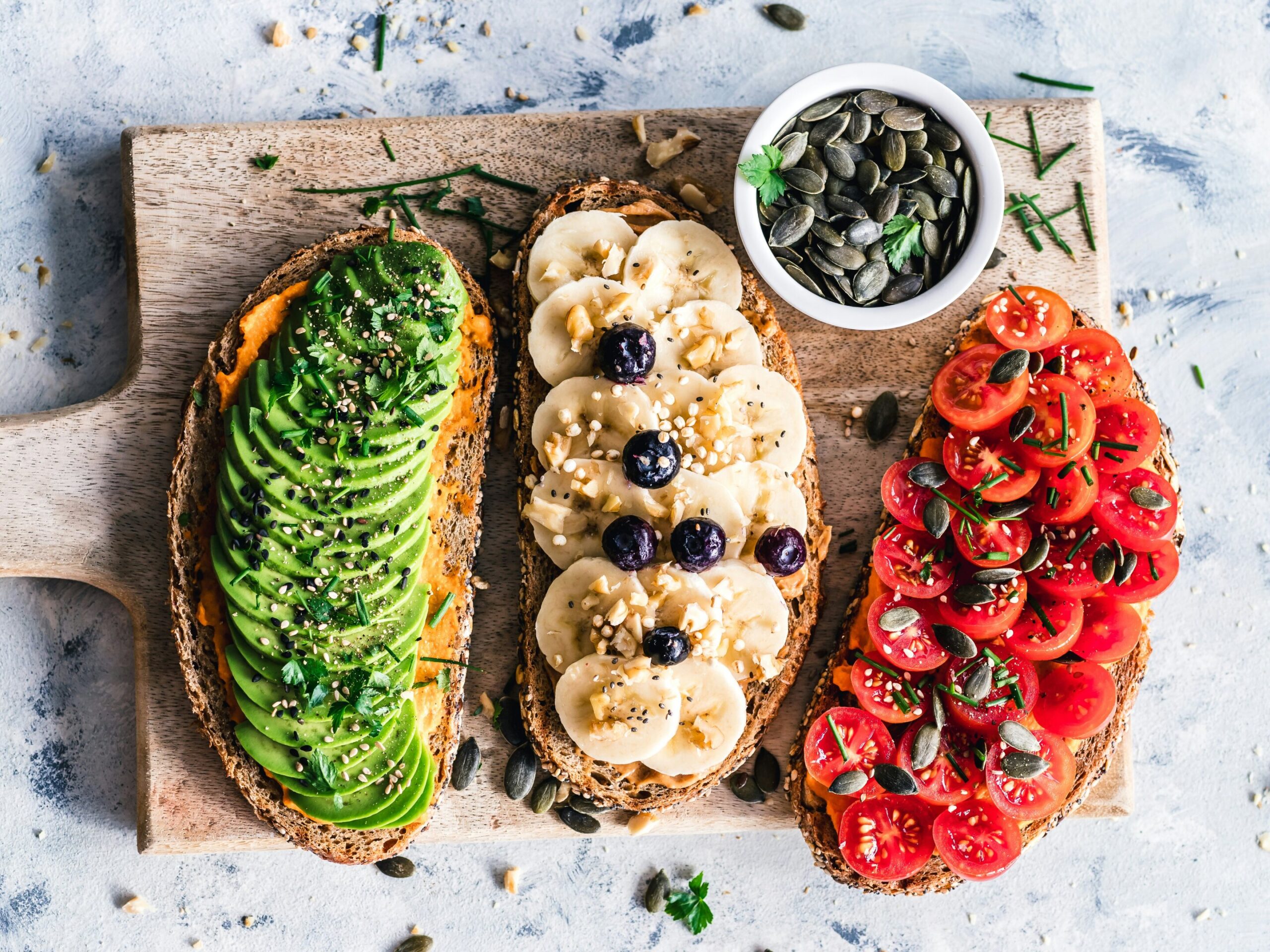
“Vegans in particular should consider whether they are getting enough protein in their diet, since they do not obtain it from meat, eggs or dairy products. Good vegan sources of protein include beans, lentils, hemp seeds, chia seeds, quinoa, almonds and nuts.”
Publication details
Florence Thirion et al., Vegans have distinct profiles of their gut microbiome and multi-compartment metabolome that align with markers of metabolic health, Microbiome (2026). DOI: 10.1186/s40168-026-02538-y
Journal information:
Microbiome
Key medical concepts


Citation:
Vegans may have less diverse gut bacteria, with lower protein intake offering possible clue (2026, October 30)
retrieved 30 October 2026
from https://medicalxpress.com/news/2026-10-vegans-diverse-gut-bacteria-protein.html
This document is subject to copyright. Apart from any fair dealing for the purpose of private study or research, no
part may be reproduced without the written permission. The content is provided for information purposes only.