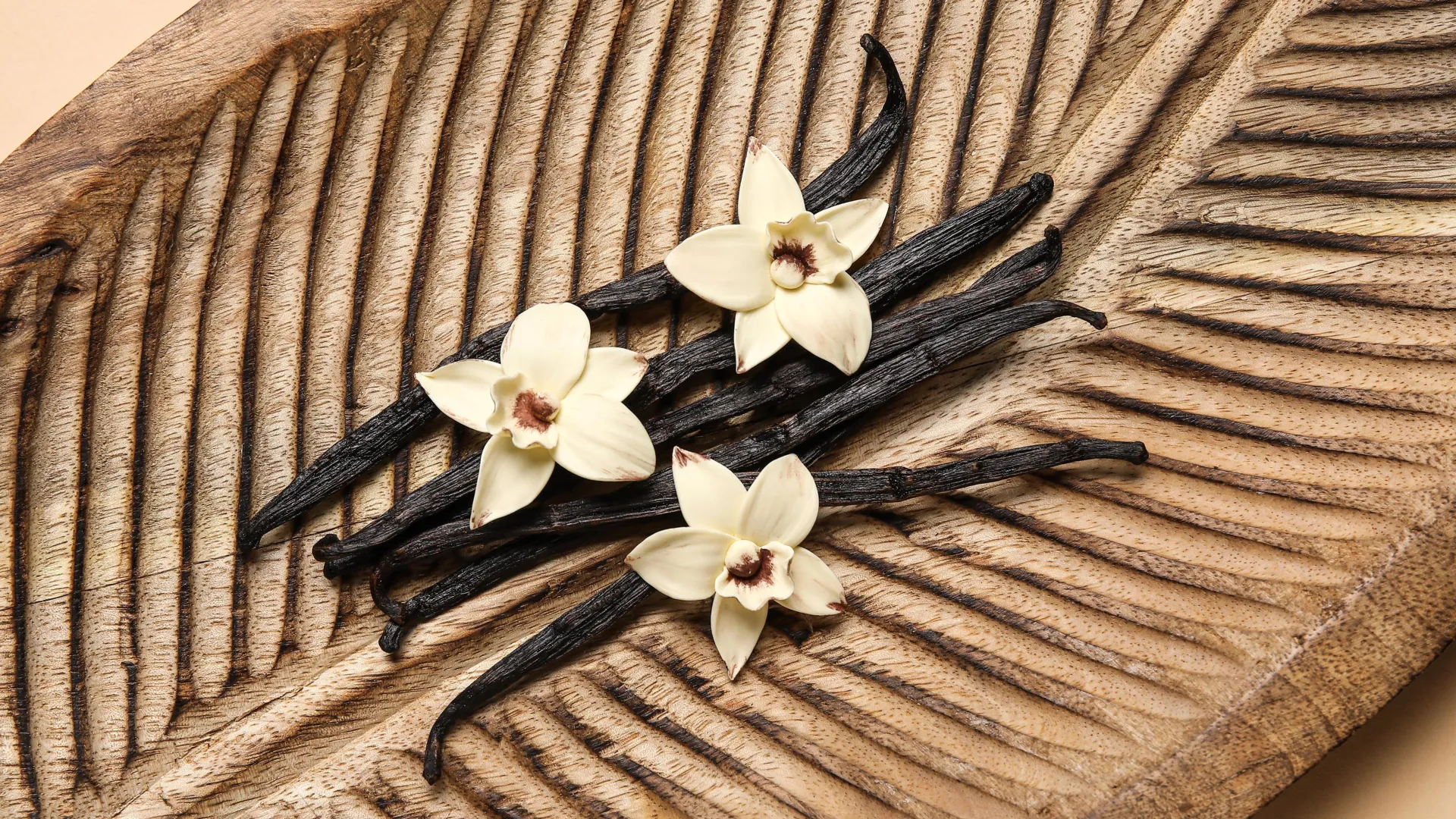
The substance in charge of vanilla’s acquainted sweet flavor and scent can have an unforeseen future in medicine. Scientists at Flinders College have recognized residential properties in vanillin that could make it a promising component in treatments for persistent wounds, infections, and harmed cells.
Researchers from the university’s Biomedical Nanoengineering Research laboratory discovered that vanillin has remarkable antioxidant, anti-inflammatory, and antibacterial residential or commercial properties. With each other, these results can make the compound useful in creating injury care items that attend to several challenges associated with recovery.
Vanillin is the primary flavor and scent compound found in natural vanilla skins. It can additionally be manufactured synthetically using materials stemmed from resources such as clove oil or rice. Although best known for providing foods their unique vanilla taste, the molecule has chemical buildings that could make it important far beyond the kitchen.
Just how Vanilla’s Chemistry Could Assist Recover Injuries
Vanillin is more than just a seasoning ingredient. Its molecular framework permits it to engage with various other substances in manner ins which could be beneficial for medication, especially in materials made to safeguard wounds and supply treatments.
For example, vanillin can operate as a dynamic crosslinker, aiding connect various elements within a product. This ability could make it valuable in creating specialized clinical formulas, consisting of products that lug medicines or assistance cells fixing.
The Flinders researchers examined vanillin with a structure that connects familiar food active ingredients with useful medical applications. Their job discovers how the same chemical qualities that make vanillin beneficial in day-to-day items could additionally contribute to organic impacts that benefit human wellness.
“Vanillin is amongst one of the most commonly used taste substances in the international food system, valued for its sensory features, chemical stability and lengthy history of safety – which can be moved to other areas, such as clinical usages,” states Professor Krasimir Vasilev, Teacher of Biomedical Nanotechnology at Flinders College and Supervisor of Flinders’ Biomedical Nanoengineering Lab.
A Possible New Therapy for Persistent Wounds and Ulcers
One specifically promising application involves chronic wounds and ulcers, which can be difficult to deal with as a result of relentless swelling, microbial contamination, and damage brought on by oxidative tension.
Oxidative stress and anxiety happens when hazardous responsive molecules overwhelm the body’s safety defenses, possibly harmful cells and hindering tissue fixing. A product with the ability of resolving oxidative stress, swelling, and germs might therefore supply a number of advantages in wound care.
“Due to the fact that vanillin’s synthetic type is plentiful and affordable, we believe vanillin-based formulations may offer safe and multifunctional options for ulcer treatment and targeted medicine distribution, particularly of hydrophobic substances.
“Due to its amphiphilic molecular framework, vanillin can interact with responsive oxygen types, mobile membrane layers, and polymeric matrices, offering a basis for its consolidation into useful formulas.”
Hydrophobic compounds are substances that do not dissolve quickly in water, a particular that can make certain medicines difficult to formulate and provide properly. Vanillin’s chemical structure might aid scientists design products that lug these substances to where they are required.
Although the findings highlight appealing opportunities, vanillin-based wound treatments would still need further development and clinical testing before their effectiveness and safety and security in people might be established.
From Peppermint Oil to Advanced Medical Coatings
The examination right into vanillin improves a broader effort at Flinders University to uncover useful clinical residential properties in everyday food ingredients.
In February 2026, the study group published related work in the journal Little , describing a clinical finishing developed from peppermint oil. The finishing, developed at the nanoscale, was developed to shield against bacterial infection, swelling, and oxidative anxiety while continuing to be compatible with human cells.
Because the covering can be related to clinical products, it could provide a method to introduce numerous protective functions into products made use of in healthcare.
Surprisingly, the ideas for this research study came from a straightforward individual experience.
Professor Vasilev saw that eating peppermint leaves from his beverage considerably reduced his sore throat. Curious regarding the feasible organic explanation, he started checking out whether the advantageous residential or commercial properties of peppermint can be included into a resilient safety finishing.
That idea led him to discover making use of plasma modern technology, a field he has actually studied for more than 20 years. Plasma processing can be used to customize material surfaces and create slim useful coatings, potentially permitting biologically energetic substances to be incorporated into clinical products.
The work with pepper mint assisted develop a technique that scientists are now extending to vanillin.
Why Vanillin Could Be Especially Valuable for Future Medicine
Vanillin provides an additional important advantage past its possible biological activity: it is affordable and conveniently offered.
Since artificial vanillin can be produced in large amounts, scientists believe it could be less complicated to incorporate into readily produced medical items than some much more expensive or difficult-to-source compounds.
Its fairly straightforward molecular structure and compatibility with established manufacturing processes might also sustain regular item top quality, trusted materials, and large manufacturing.
These functional considerations are particularly important when relocating an appealing clinical idea from the research laboratory towards genuine medical applications.
The researchers envision vanillin eventually ending up being a component in innovative injury dressings, abscess therapies, targeted medication distribution systems, and therapies developed to support tissue regeneration.
“With worked with engagement in between academia, clinicians, and sector, vanillin has the potential to progress from an underutilized bioactive to a clinically deployable component of next-generation injury care and regenerative therapies,” states Teacher Vasilev.
The findings suggest that a compound commonly associated with treats and wonderful scents can eventually add to a completely various area: assisting scientists establish better ways to protect damaged tissue and assistance healing.
The study, “Vanillin as a bioactive part in biomedical formulas for persistent injury healing and tissue regrowth,” was carried out by Borislav Stoilov, Vi Khanh Truong, Christopher Delaney, and Krasimir Vasilev. It was published in the International Journal of Pharmaceutics