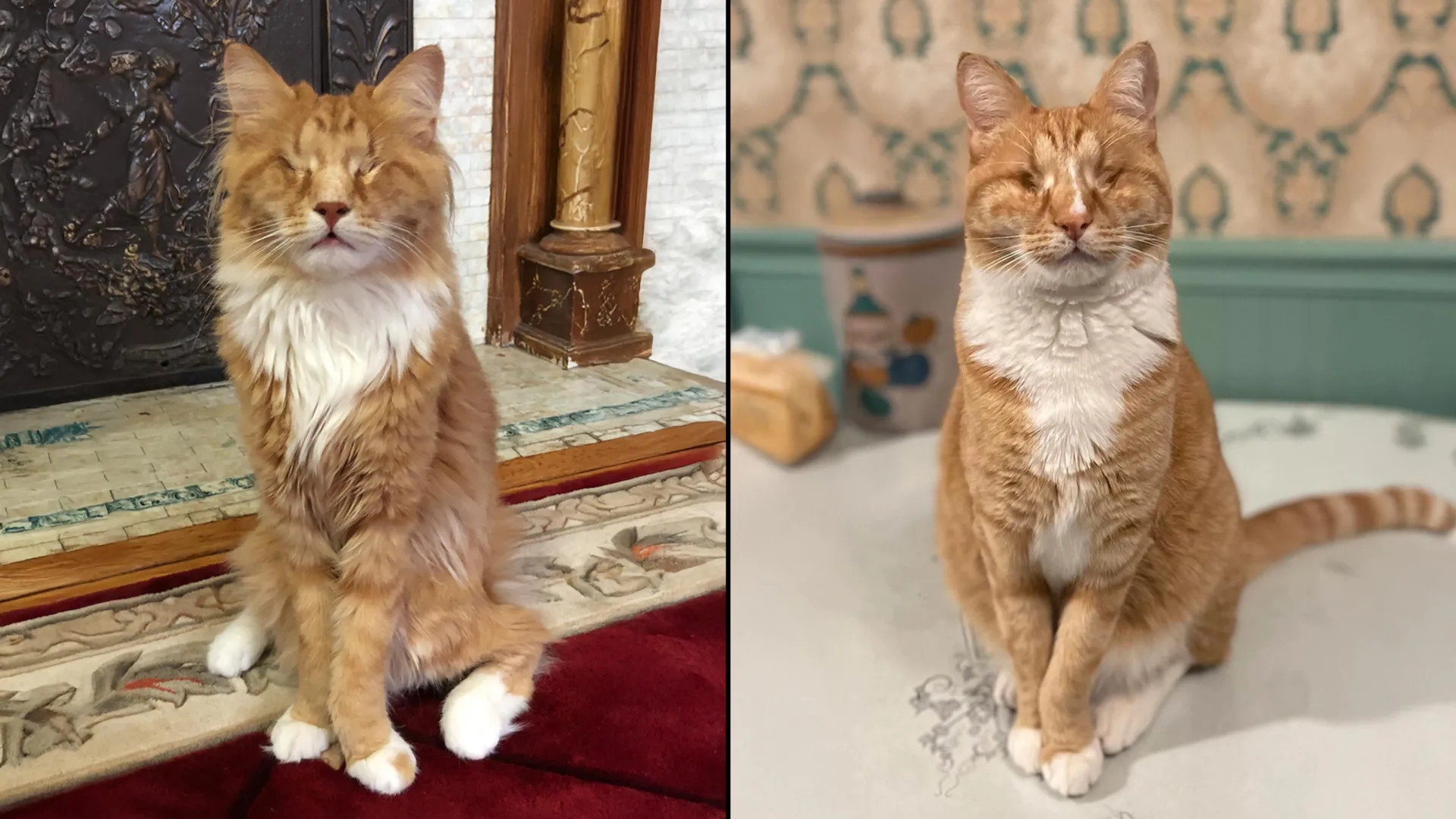
2 bros called Gary and Shaggy have assisted Cornell University researchers make a rare hereditary discovery. In a research released in Scientific Reports , scientists reported the very first molecular characterization of Marfan disorder in residential felines, a problem largely identified in human beings.
Gary and Shaggy initially stood out as kittens as a result of their unusually long limbs. As they grew older, veterinarians likewise recognized problems in their eye structures and an enlarged aorta, the body’s primary artery. With each other, these signs and symptoms suggested Marfan syndrome, an inherited problem that damages connective tissues throughout the body. The condition affects around 1 in 4, 000 individuals, but these brothers stood for the initial well-known documented feline cases.
“The searchings for give a structure for enhanced veterinary diagnostics,” stated senior writer Dr. Jacquelyn Evans, assistant teacher in the College of Vet Medication and at the Baker Institute for Animal Wellness. “It can help vets identify comparable instances in the future and may aid develop hereditary examinations.”
Researchers Discover a Surprising Genetic Spin
To determine what caused the siblings’ uncommon signs and symptoms, scientists from multiple self-controls carried out detailed medical checkups and evaluated their DNA. Their examination identified changes in a genetics called FBN 1 , which offers directions for producing fibrillin- 1 This healthy protein is vital for healthy and balanced connective cells, assisting support frameworks throughout the body, consisting of blood vessels, bones, tendons, skin, and eyes.
Genetic screening disclosed that Gary and Shaggy each had two transformed copies of FBN 1 , having acquired one from each moms and dad. This was especially significant because, in people, an anomaly in simply one duplicate of the gene can be sufficient to trigger Marfan syndrome. Having two transformed duplicates is remarkably uncommon and can seriously disrupt the production of typical fibrillin- 1
Yet the bros’ genetic modifications had an unanticipated impact. Further evaluation showed that their certain variant did not totally disable the gene. Rather, it interfered with just how the gene’s instructions were refined while still enabling some typical task to proceed. That staying function aids explain why Gary and Shaggy had the ability to survive right into their adult years, even though lugging two duplicates of such a mutation might or else have resulted in a much more serious form of the problem.