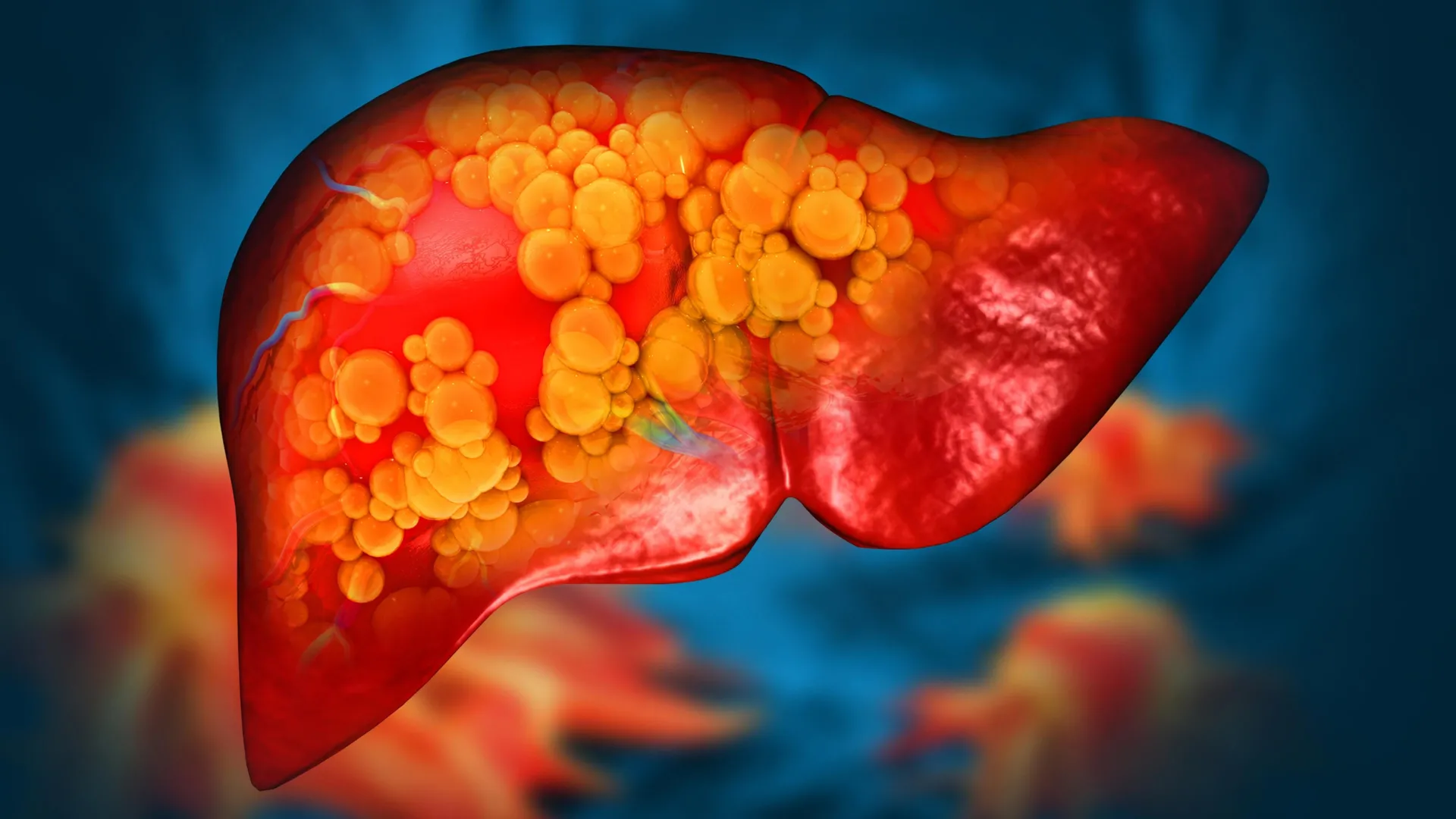
That late-night snack may have effects beyond extra calories. Researchers at Oregon Health & Scientific Research College (OHSU) have found that consuming late at night is connected with a dramatically greater threat of liver condition, suggesting that when you consume can be an important factor in safeguarding your liver.
The study, released in Clinical Gastroenterology and Hepatology , located that individuals that frequently consumed after dinner or after bedtime had a 20 % to 30 % greater risk of liver condition compared with those that stayed clear of consuming late. The problems included metabolic dysfunction-associated steatotic liver condition, typically referred to as fatty liver disease, and cirrhosis, a serious problem entailing substantial scarring of the liver.
Previous research studies have linked late-night eating with weight problems and cardiovascular troubles. Nevertheless, scientists wished to establish whether the routine might additionally be related to liver disease.
“A couple of research studies have actually meant this idea, however this is amongst the very first lasting analyses to clearly attract the connection to fatty liver condition,” said lead author Robert Wilechansky, M.D., a hepatologist at OHSU who focuses on liver transplant.
Virtually 200, 000 Individuals Reveal an Unpleasant Pattern
To investigate the link, researchers analyzed info from three significant across the country studies: the Nurses’ Health Research Study, the Registered Nurses’ Health And Wellness Research II, and the Health Professionals Follow-up Study.
With each other, these datasets included almost 200, 000 individuals that had actually supplied details regarding their eating habits, daily routines, and various other lifestyle variables. The researchers separated individuals into groups according to when they normally ate, then compared those patterns with records of fatty liver disease and cirrhosis.
The results revealed a regular organization. Participants that reported eating late at night had a 20 % to 30 % higher threat of liver illness than those who did not, raising questions about how the timing of dishes could influence lasting liver health and wellness.
Fatty liver condition influences as much as 30 % of the united state populace. It creates when excess fat collects in the liver and can often progress to swelling, liver damage, and eventually cirrhosis. Nevertheless, lots of people with fatty liver illness do not develop advanced liver scarring.
“It is necessary to bear in mind, of the people that established fatty liver illness, only a small fraction develop significant forms of the problem like liver cirrhosis,” Wilechansky stated. “However, the big take-away right here is that restricting your calorie intake to numerous hours before going to bed may be useful.”
Why Your Liver’s Body clock Matters
One possible description involves the body’s circadian rhythms, the inner biological processes that aid regulate sleep, metabolic process, and various other features throughout the about 24 -hour day-to-day cycle.
The liver is especially sensitive to these rhythms. It assists process nutrients, manage blood sugar level, and handle exactly how the body stores and uses power. Eating sometimes when the body is biologically planning for rest may interfere with several of these processes.
Wilechansky became curious about the link partly because of evidence entailing night shift workers. Individuals whose work timetables conflict with the body’s all-natural sleep and wake cycle experience greater rates of weight problems and heart problem. This increased the opportunity that irregular eating times could contribute to metabolic troubles, consisting of liver condition.
“We understand the liver is quite harmonic with the body’s circadian rhythms,” he said. “So we have an interest in changing the timing of consuming in such a way that could make a distinction in wellness without changing the structure of what individuals consume.”
The concept is appealing since changing when meals are eaten could be much easier for some people than substantially changing their diet plans.
Andrew McHill, Ph.D., a research co-author and associate professor concentrating on sleep and circadian physiology at OHSU, stated the findings enhance existing evidence that the timing of everyday activities can have essential health and wellness effects.
“We are seeing over and over once more that the timing of actions, whether it’s rest, consuming, or workout, truly matters,” said McHill. “For example, we have revealed that consuming throughout the evening, when the internal biological rhythm is promoting sleep, minimizes the ability of your body to metabolize foods as effectively and can ultimately cause weight problems, diabetes, and currently inadequate liver wellness.”
Previous experiments entailing pets have also determined the liver as one of the body organs especially vulnerable to disruptions in the normal connection between eating and resting.
Could Eating Previously Help Protect Your Liver?
Although the findings elevate problems concerning late-night eating, the scientists stress that the research can not establish domino effect.
The analysis was empirical, meaning it identified connections between eating habits and wellness outcomes without directly evaluating whether altering dish times prevents liver condition. It likewise relied on individuals’ self-reported information, including reasonably broad summaries of when they consumed.
These constraints imply that other factors might aid explain the organization. Much more carefully managed research is required to establish whether eating earlier really enhances liver health.
Wilechansky is now involved in an OHSU scientific research that is recruiting individuals to explore that question. As opposed to counting entirely on past records of consuming practices, the team prepares to keep track of dish timing straight and assess whether shifting food intake previously results in quantifiable enhancements in individuals with underlying fatty liver illness.
The results could aid identify whether meal timing should have a place along with well-known strategies to handling metabolic and liver wellness.
“Our findings include in the expanding body of literature connecting late-evening consuming patterns to unfavorable metabolic and liver end results,” the writers create.
For now, the study offers an intriguing opportunity: Improving liver health and wellness might not constantly need changing what gets on your plate. Just providing your body even more time in between its last meal and going to bed can potentially make a distinction.
Along with Wilechansky and McHill, the research study team included Kevin Casey, M.P.H., Andrew Chan, M.D., Ph.D., and Tracey Simon, M.D., of Massachusetts General Hospital in Boston.
The research study was supported by the American Association of the Research of Liver Diseases Structure, honor CTORA 24 – 179910