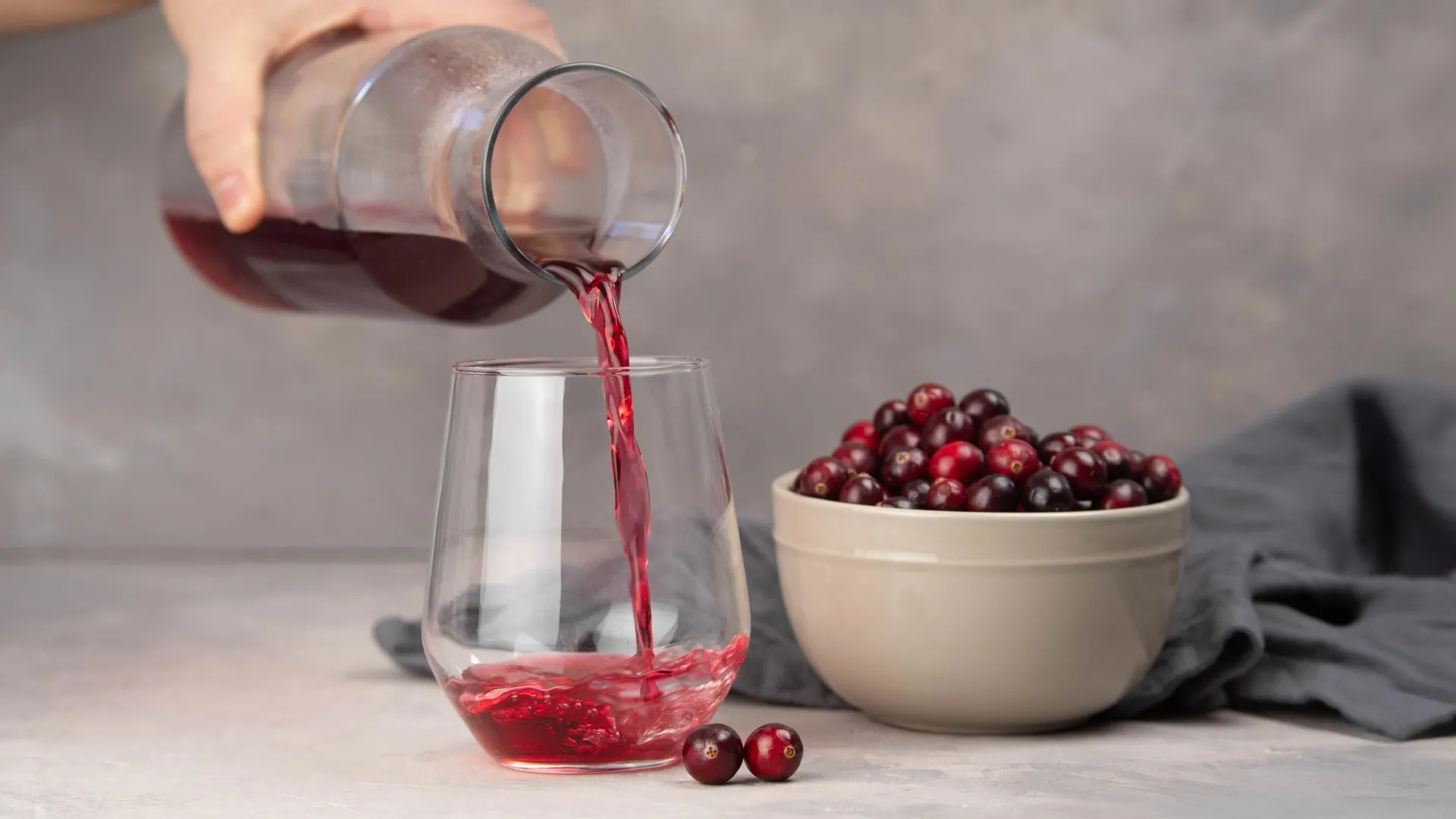
Cranberry juice may offer an unexpected benefit for your teeth. New research suggests that pure, unsweetened cranberry juice can slow the growth of dental plaque and reduce the production of acids that contribute to tooth decay.
Cranberries are a familiar part of holiday celebrations. They appear in sauces, salads, and cocktails, and even serve as colorful seasonal decorations. But beyond their tart flavor and festive appeal, these small red berries contain natural compounds that may support oral health.
Christine Wu, a researcher at the University of Illinois Chicago College of Dentistry, has been investigating whether cranberry juice could help protect teeth from harmful bacteria. Her findings suggest that the popular beverage may have benefits that go beyond its traditional association with urinary tract health.
How Cranberry Juice Affects Harmful Bacteria
Cranberry juice has long been used to help prevent urinary tract infections. One reason is that cranberries contain compounds called proanthocyanidins, which have anti-inflammatory properties and can interfere with the ability of certain bacteria, including E. coli, to attach to cells.
Wu wanted to determine whether these same compounds might also affect bacteria found in dental plaque. These microorganisms feed on sugars from food and drinks, producing acids that gradually weaken tooth enamel and contribute to cavities.
Rather than testing isolated cranberry compounds, Wu chose to investigate pure cranberry juice, a product people can readily purchase and consume.
“Just like sugar damage is linked to diet, I’m interested in how the food and beverages we consume can help combat the harmful bacteria and benefit our oral health,” Wu said.
Testing Cranberry Juice on Dental Plaque
To investigate the potential effects, researchers conducted a small human study involving 22 participants, including 14 children and eight adults.
Participants were randomly assigned to one of three beverages: pure, unsweetened 100% cranberry juice, a cranberry juice cocktail containing 27% juice and added sugar, or plain water.
“It was important to us to conduct these tests with human participants and use products available on the market. Most cranberry juice studies have been conducted using laboratory-prepared cranberry juice extract. Moreover, limited studies have been performed in children,” said Wu, who is a professor of pediatric dentistry.
On the morning of the experiment, participants arrived with dental plaque that had accumulated overnight. Researchers first collected plaque samples using cotton swabs on one side of each participant’s mouth.
After rinsing with water, participants consumed three small amounts of their assigned beverage. They swished each drink around their mouths several times before swallowing.
Thirty minutes later, researchers collected another set of plaque samples, this time from teeth that had not been swabbed earlier. Comparing the samples allowed the team to examine how each beverage affected plaque activity over the short testing period.
A Surprising Effect on Plaque and Tooth Decay
The results revealed a promising effect of pure cranberry juice. Dental plaque exposed to the unsweetened beverage showed slower regrowth than unexposed plaque samples.
Researchers also found that swishing with pure cranberry juice reduced acid production in dental plaque from both children and adults. This is particularly important because acids produced by oral bacteria can gradually erode tooth enamel, increasing the risk of cavities.
The findings suggest that cranberry juice may interfere with two important processes involved in tooth decay: the buildup of bacterial plaque and the production of damaging acids.
Wu believes these results could eventually support the development of cranberry juice as a “functional beverage” that offers benefits for oral health. The findings are especially interesting because other commonly consumed fruit juices, including orange and apple juice, have not shown the same promise in this research context.
“Most people think of cranberry juice as very sour, very acidic and sugary, and therefore may not contribute positively to oral health. This study found the opposite: that cranberry juice affected dental plaque regrowth and acid production, which may counteract some of the damage done by sugar,” she said.
Could Cranberry Juice Become Part of Oral Care?
Although the findings are encouraging, the researchers emphasize that further investigation is necessary. With only 22 participants and a testing period lasting just 30 minutes after consumption, the study cannot establish whether drinking cranberry juice regularly prevents cavities or produces lasting improvements in dental health.
Larger studies conducted over longer periods will be needed to determine whether the observed changes in dental plaque translate into meaningful protection against tooth decay.
Still, Wu sees potential in occasionally using pure cranberry juice as a mouth rinse. One challenge is its intensely tart flavor, which some people may find unpleasant without added sweetness.
“But maybe by adding an appropriate sugar substitute,” she said, “to make it a bit more palatable.”
The research was published in the journal Scientific Reports.