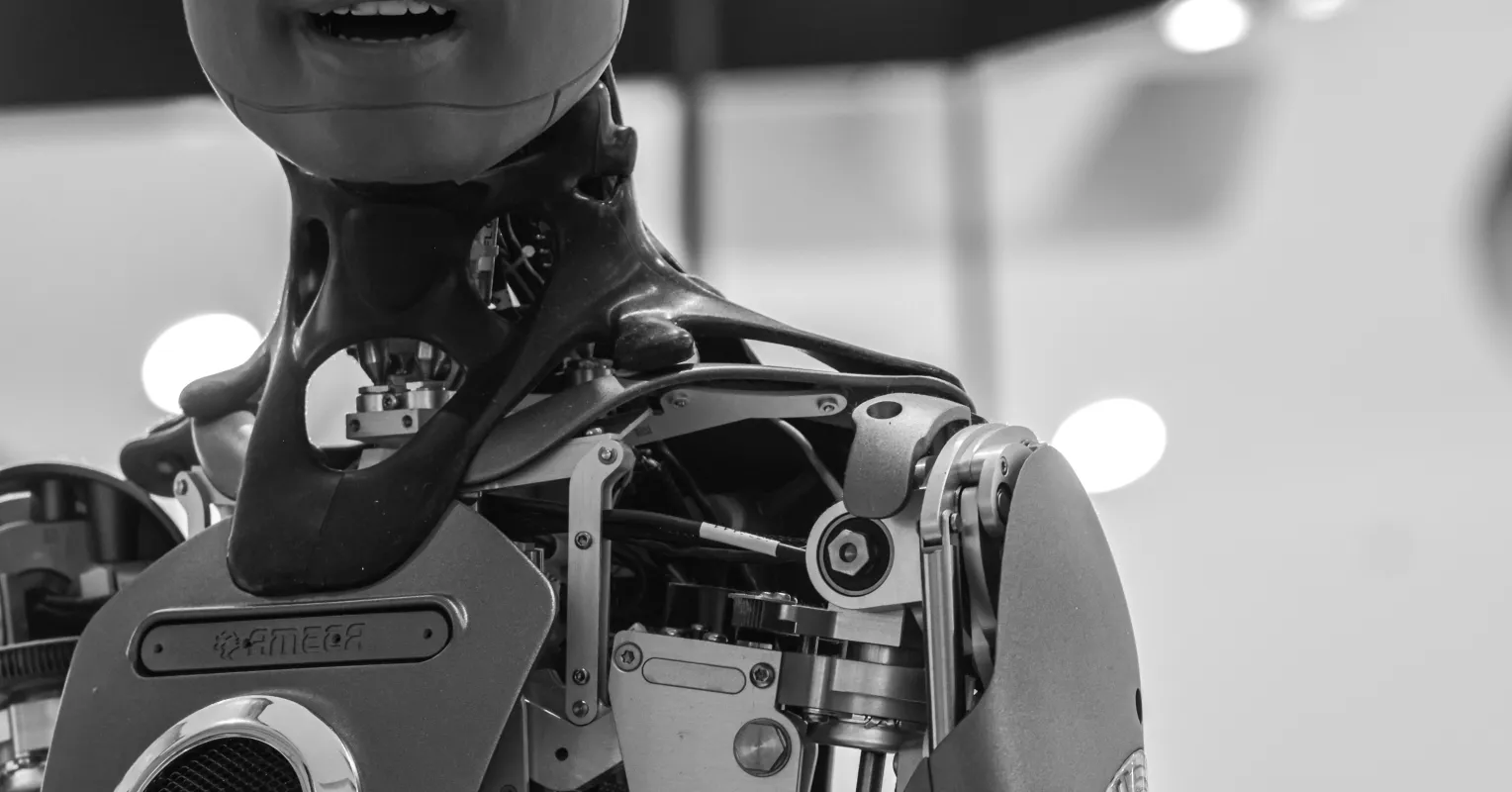
If you don’t think robots will be making their way into our homes within the next three to five years, then you are likely in denial. As you read this, manufacturing facilities are being repurposed, and new industrial spaces are being built for the production of humanoid robots.
Just remember that smartphones were around before iPhones flooded our lives. By this I mean that humanoid robots may currently be where smartphones were before the iPhone, meaning they’re already here. But we are still waiting for the big-splash moment (and it will be sooner rather than later) that makes millions of people want one.
“Invisible” Robots Are Already Among Us
It amazes me how little we talk about the impending mass influx of robots into our lives. Perhaps it is because we are more currently worried that AI will wipe out our current society before that happens. Seriously, though, just think about it: we are already getting used to living around robots.
For years now, shoppers in supermarkets have seen robots looking for spills on the floors and roaming about the aisles to also scan shelves. Just here in my neck of the woods, Pennsylvania, Giant supermarkets have Marty, a tall robot with googly eyes that has literally been rolling around their floors since 2019.
True confession time: I will sheepishly admit that one time when Marty was coming towards me, I attempted to have a stare-down with it (I lost, by the way). But guess what? Marty did not even know I was there, and the same goes for all the other shoppers that it “sees”. Interestingly, based on my observations, most shoppers now barely look at him.
Why Robots In Your Home Is A Whole Other Story
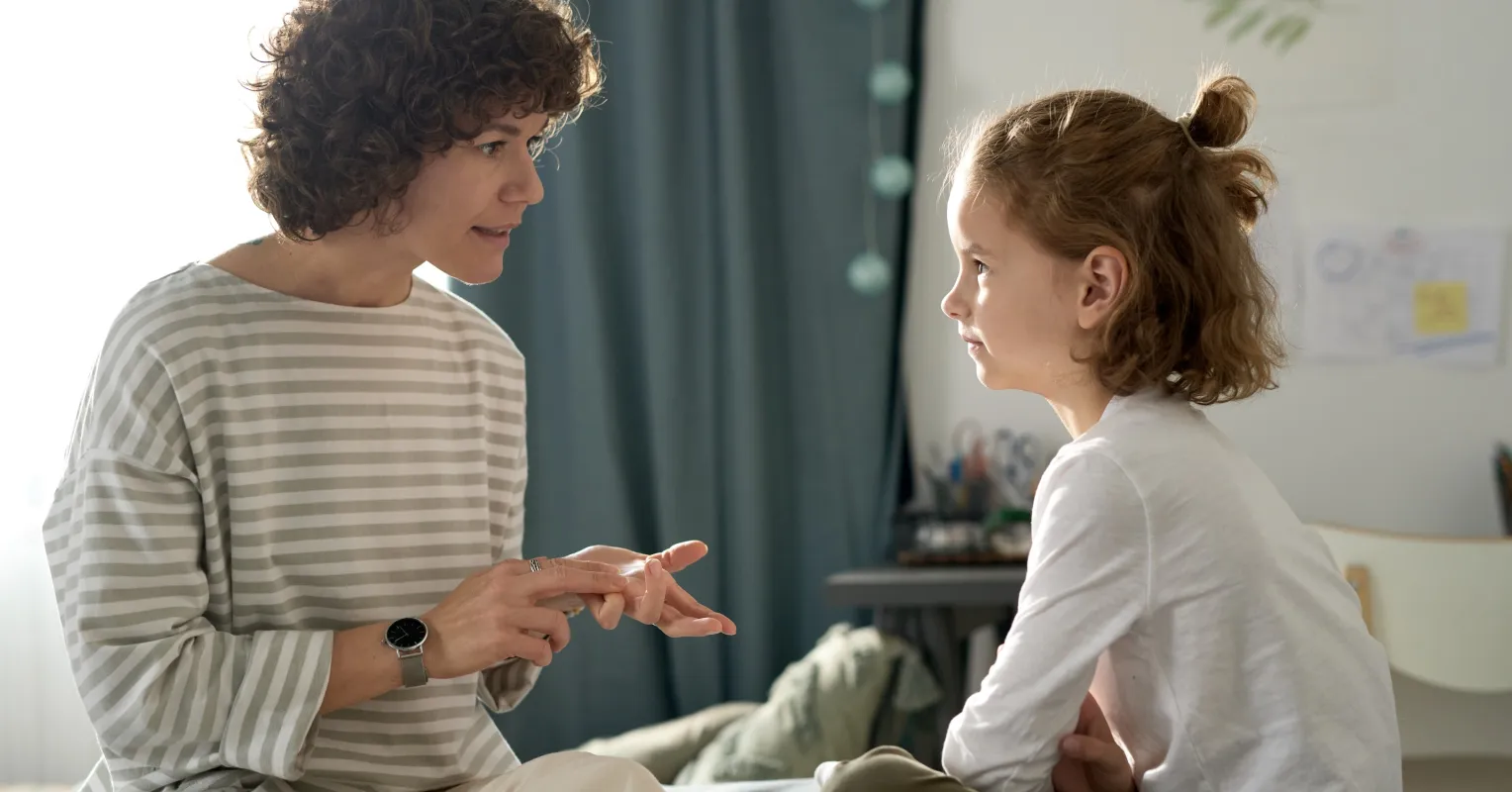
Yet where things get really fascinating will be soon, when seeing the impact of robots when they are within your home. What happens when that robot has arms and legs, talks with your child, and remembers what they said yesterday? Pushing the envelope of true possibilities, what then happens when your robot notices your child is upset?
As a psychologist who has worked with children and families for decades, this gets very interesting to me. So much so that I will discuss below three ways that I think humanoid robots in your home may profoundly change your children’s lives.
1. Children May Get Attached In Big Ways
I’m saying kids will get attached to robots because we know that children form attachments with all types of things. As parents, we find it amusing how stuffed animals get names, and they have personalities, feelings, and occupy an important place in our kids’ lives.
Many years ago, I was desperately searching around a local park in the dark for Willy, one of my kid’s beloved stuffed animals that was left there. Heck, the police officer who shone a light on me even felt compassion. Now, let’s look from another angle if you think bonding with your family robot is ridiculous. How about the generations of Star Wars audiences who fell in love with R2-D2, that annoying as heck, beeping, rolling machine that looked more like a tin can than even a human (and R2-D2 was in a movie versus in your house)?
Research suggests that as robots look more humanlike, children may be more likely to attribute human qualities to them. That may seem like a pretty obvious assumption, by the way. But what if the robot bonding experience for your child goes beyond looks?
Let’s say the robot remembers your kid’s favorite song, watches your child practice a presentation and gives feedback, or senses your child had a rough day at school and asks your child about it? Can you see how a robot in your home is a whole different storyline than your toaster or dishwasher (though I was sad to get rid of a cherished burnt-out toaster recently)
2. Robots Could Help With Your Child’s Anxiety, Or Maybe Fuel It
In my book, When Overthinking Overtakes Your Child, and in my direct work with anxious children, I encourage parents to help children learn to tolerate uncertainty instead of continually reassuring them. Now, imagine if you put a robot in your house and your kid asks, “Is Mom mad at me?” Or, maybe your anxious child asks, “Is Joey just pretending to be my friend”?
I’d like to think a thoughtfully designed robot would recognize that reassurance-seeking pattern and help the child use coping skills. But what if that robot is not very “psychologically-minded” and instead answers your kid’s anxious questions every time? Or, what if your child is afraid of emptying the trash because of germ fears and asks that robot to take that on so the child no longer has to overcome their fear? What’s my related fear, by the way? We could accidentally create the world’s most available reassurance, enabling machines.
3. Robots Could Change The Dynamics of Family Relationships
I thought I’d save this most provocative point for last. But just suppose a child starts telling the family robot things that she does not want to tell her parents? Do you think that the parents are the ones that should be directly involved in those conversations?
While we’re speculating, should the robot ever discipline the child? For example, let’s say the parents are in another room and/or outside, and the robot sees the child do something not allowed. Now what? Or, what if the child is disrespectful to the non-human robot? It’s a robot, after all, and not a human, but doesn’t it still matter if the child is practicing being disrespectful or perhaps even cruel?
Closing Thoughts
Scientists and engineers have spent years trying to figure out how to make robots look and act more like us. The progress in humanoid robot advancements and the likelihood of them being part of our lives has been astounding, and their integration into our daily lives will occur sooner than we realize. Shouldn’t we start thinking about how living with them will impact our children’s lives?