When we think about treating anxiety or depression, therapy and medication usually come to mind first. But with an estimated 322 million people worldwide living with depression, and rates of both conditions rising, researchers are paying closer attention to an older, cheaper resource: time spent in nature.
A new study in Nature Human Behaviour offers one of the broadest looks yet at that evidence. Rather than running a new experiment, psychologists at Islamic Azad University in Iran pooled the research that already exists. They gathered 116 systematic reviews, drawing on thousands of individual studies and an estimated 10 million-plus participants. They then combined the results of 30 of those reviews in a second-order meta-analysis: essentially, a meta-analysis of meta-analyses.
What counts as a nature-based intervention?
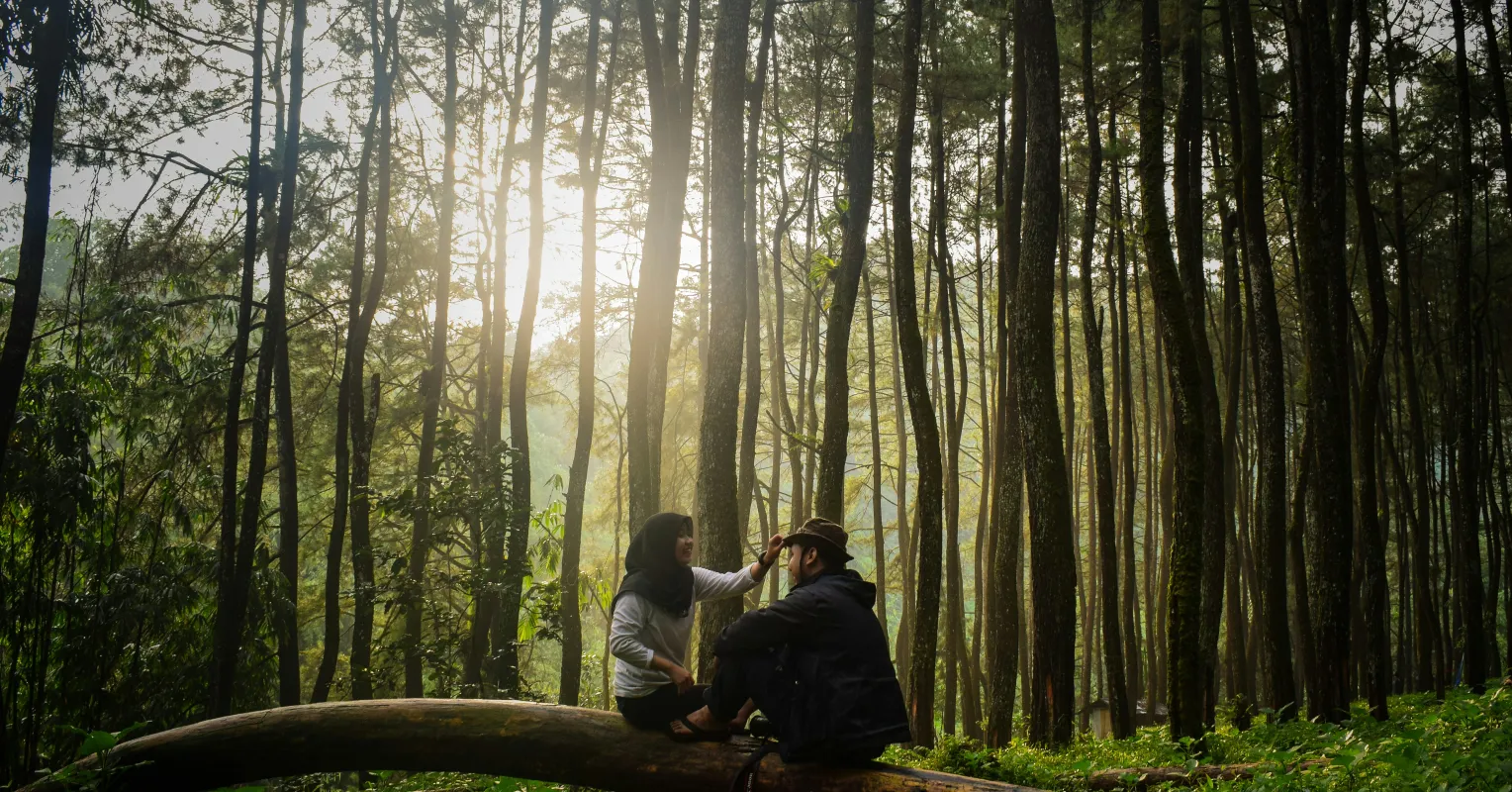
The term covers a lot of ground. At one end is passive exposure: living near green space, looking out at greenery, or listening to natural sounds such as birdsong. At the other end are hands-on activities like gardening and horticultural programs, where people plant, grow, and care for living things.
The clearest benefits: anxiety and depression
Compared with control groups, people taking part in nature-based interventions showed a clinically meaningful overall drop in negative outcomes. The largest improvements were in anxiety and depressive symptoms, followed by reductions in negative mood.
The benefits showed up in the body as well as the mind. Heart rate fell alongside self-reported symptoms, suggesting that time in nature may calm the nervous system, not just change how people say they feel. The effects also held up in the highest-quality reviews, with little sign that the results were skewed by publication bias.
Nature did more than ease distress. Compared with controls, participants also reported a meaningful lift in positive mood and, most strikingly, a much greater sense of relaxation, the largest single effect in the study.
No single “right” way to get outside
Gardening and general exposure to nature both produced significant benefits, and neither clearly outperformed the other. Even passive exposure, such as viewing greenery or hearing natural sounds, made a measurable difference. A garden plot, a lunch break in a local park, or a view of trees from the window may all help.
Why might nature help?
The authors point to three theories. Stress reduction theory holds that because humans evolved in natural settings, greenery and water trigger an innate calming response. Attention restoration theory suggests that nature holds our attention gently, through what researchers call “soft fascination,” letting tired minds recover. Social cognitive theory adds that outdoor programs can build confidence, routine, and social support.
How big is the effect?
The size of these improvements stands out. Most studies compared nature with wait-lists, usual care, or no intervention. Against those kinds of comparison groups, the effects on anxiety and depression were similar in size to those reported for cognitive behavioural therapy (CBT), the leading talk therapy for depression, in a 2023 analysis of 409 trials.
That is an encouraging comparison, but it is not a head-to-head test. The authors could not separate studies that compared nature with usual care from those that used wait-lists, so we can’t yet say how nature stacks up directly against therapy or medication. Trials that pit nature against standard care, or add it to standard care, are the crucial next step.
A promising option alongside care
Nature-based activities are low-cost, widely available, and largely free of the side effects that can come with medication. If future trials confirm these results, they could become a valuable option for people who haven’t responded to medication, families wary of medication side effects in children and teens, and those facing long waits or high costs for specialist care. For now, the evidence supports nature as a powerful complement to professional care, not a substitute for it.