Fatigue rarely comes down to one cause that can be fixed, so it often takes a few changes to feel better, says Pinto.
Have Small, Balanced Meals
Some people may find that a little food helps fight fatigue. “Eating four or five smaller meals (150 to 400 calories at a time) throughout the day with lean protein, vegetables, fruit, and whole grains, along with adequate hydration, are strategies to try to overcome fatigue and low energy,” says Susan Swafford, MPH, RD, clinical dietitian at the Duke Lifestyle and Weight Management Center in Durham, North Carolina.
While Pinto doesn’t recommend eating when you’re not hungry, he does suggest planning ahead and noticing whether your energy improves when you eat regularly. “Try to predict hunger and tackle it with small amounts of food,” he says.
Make Every Bite Count
When you’re on a GLP-1, the goal is to get enough nutrients from a smaller amount of food, so choose a variety of minimally processed foods that are rich in nutrients.
Prioritize Protein
Protein is especially important to protect muscles during periods of rapid weight loss, which can include muscle loss.
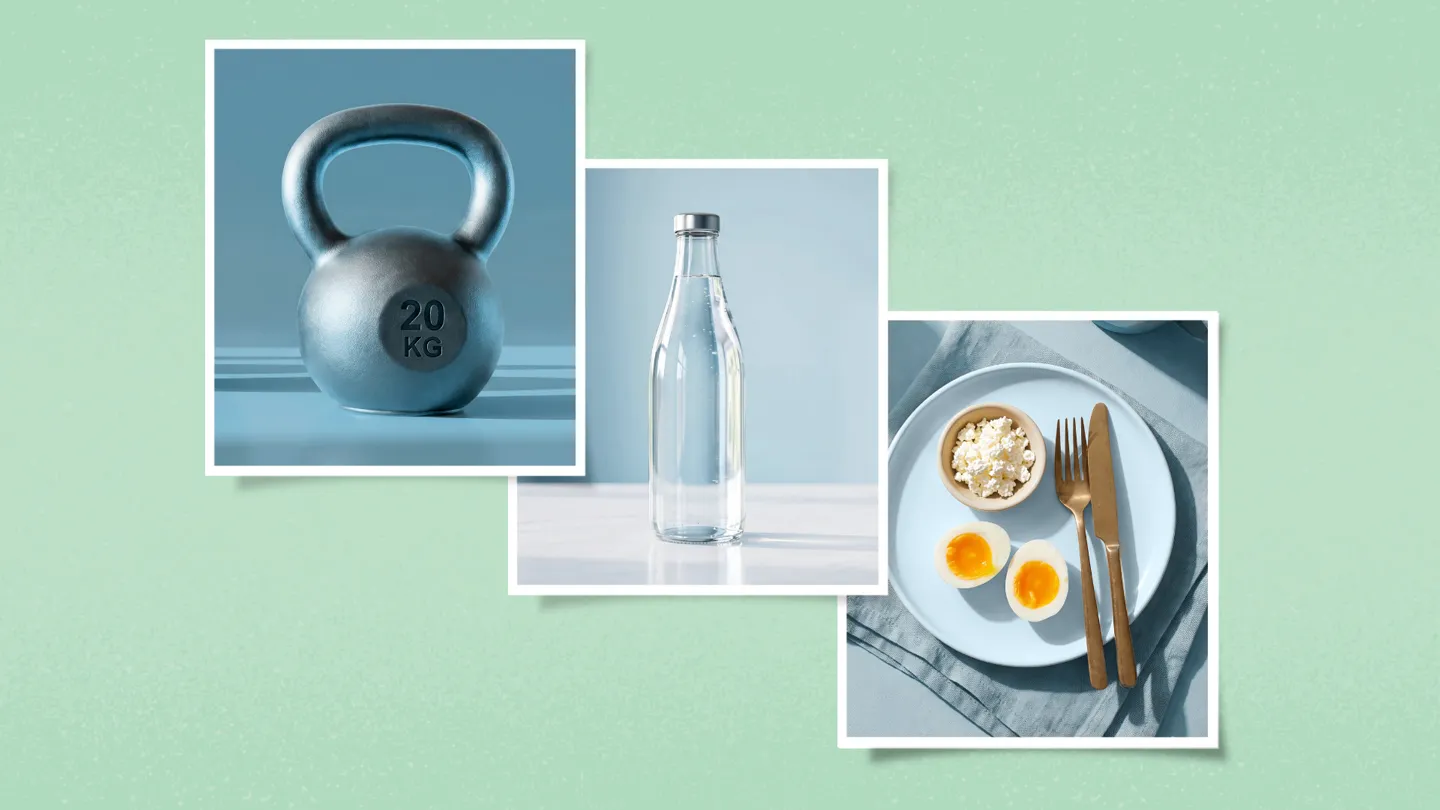
Most people need about 70 to 100 grams (g) of protein a day, but the body can absorb only about 20 to 30 g at a time, so spread it over at least three meals, says Swafford.
“Many people we meet [who are taking GLP-1s] are only eating one or two meals per day, and they are often in danger of not consuming enough protein,” she says.
Add Strength Training and Other Physical Activity
Strength training to protect muscles is important for people losing weight on GLP-1s, says Swafford.
In studies, “Only when people ate adequate protein and engaged in strength training regularly was muscle wasting prevented,” she says.
Any kind of movement is also going to help increase your energy levels versus spending most of your day sitting. “Go out for a walk in the sun. You’re probably going to feel better,” says Pinto.
Stay Hydrated
Drinking until your urine is almost clear is a good rule of thumb for adequate hydration, unless vitamins are tinting it, says Swafford.
Most people need at least 48 ounces (oz) of fluid a day, and taller people may need 80 to 100 oz; a reusable water bottle makes it easier to keep track, she says.
Save electrolyte drinks for heavy sweating, workouts longer than an hour, or recovery from vomiting or diarrhea, says Swafford.
Protect Your Sleep
Poor sleep can leave you fatigued, so protecting your sleep schedule is critical.
If you have a sleep disorder like obstructive sleep apnea, which results in repeated awakenings during the night, talk to your doctor about treatment.
Consider a GLP-1 Dose Adjustment
If you’re unable to take in enough calories to prevent fatigue, it’s possible your GLP-1 dose is too high.
“If your appetite seems too low, then it may be good to discuss a lower dose of the GLP-1 medication with your doctor,” says Swafford. Never change your dose on your own.