Think about the last time you had some downtime. Maybe you were standing in line at the grocery store, sitting in a doctor’s waiting room, or waiting for a friend to arrive at a restaurant. What did you do?
If you’re like most people, you probably reached for your phone. Within seconds, you were able to check your email, scroll through social media, or catch up on the news. What might once have been a few minutes of quiet downtime is now an opportunity to entertain yourself.
We’ve gotten really good at eliminating boredom from our lives. But what are the costs of constantly seeking out something to occupy our attention?
The Personality Behind Stimulation-Seeking
Some people have a greater appetite for stimulation than others. Although we often associate extraversion with sociability, this trait is actually broader than that. Indeed, those who are higher in extraversion are more inclined to seek out activity and entertainment.
Like all personality traits, extraversion exists on a continuum. Being fairly extraverted is generally seen as a good thing, but at the extremely high end, there can be some consequences. When the drive for stimulation is particularly strong, it can feel nearly impossible to tolerate situations that aren’t especially exciting or engaging. For example, someone might struggle to enjoy a relaxing weekend at home, feel restless when they have nothing planned, or have difficulty sticking with tasks that are important but not particularly interesting.
When Boredom Becomes Something to Escape
Boredom can be uncomfortable. And for someone with a strong appetite for stimulation, a quiet evening in or a tedious work task can feel especially unpleasant. The natural response is to find something to fill that time. The more uncomfortable boredom feels, the more motivated we become to escape it.
Each time we seek out stimulation, whether that’s from scrolling through TikTok or hanging out with a friend, we get immediate relief from boredom. This relief is reinforcing, making us more likely to seek out a distraction the next time boredom strikes. Over time, we can become so accustomed to filling every available moment that even brief periods without something to do start to feel increasingly uncomfortable.
But when we fill every available moment with activity or entertainment, we lose opportunities to reflect on our experiences, process what’s happened during the day, or let our minds wander. Sometimes our best ideas come when we’re not actively trying to accomplish anything. Constantly seeking stimulation can stifle creativity and prevent our ability to learn from past setbacks.
Our discomfort with boredom can also lead us to make choices that aren’t particularly good for us. Maybe you agree to go out with friends even though you’re exhausted and have an early morning because the thought of everyone having fun without you feels unbearable. Or you fill your weekend with activities even though what you really need is a chance to rest.
In these situations, the problem isn’t enjoying excitement or being social. It’s that simply avoiding boredom has started to influence your decisions, sometimes at the expense of things you value more.
Practice Being Bored
If you’ve gotten used to filling every spare moment with something entertaining, the idea of intentionally doing nothing might sound pretty unappealing. At the same time, learning to be more comfortable with periods of low stimulation will allow you to be intentional about how you spend your time—rather than keeping busy just to escape discomfort.
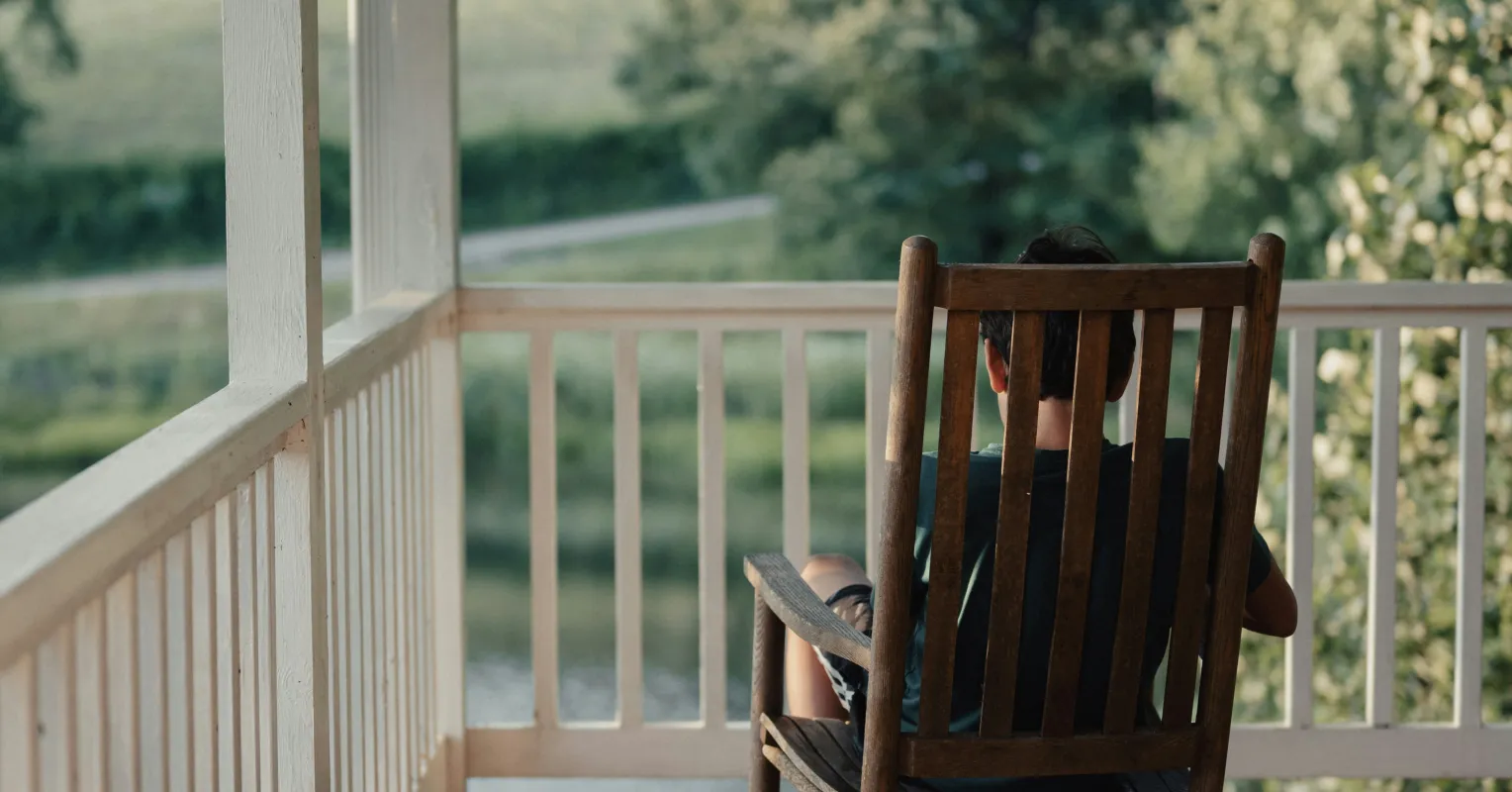
Start by looking for small opportunities to leave time unfilled. Maybe you take a walk without listening to a podcast, resist the urge to check your phone while waiting in line, or spend a few minutes sitting outside without doing anything in particular. Notice what happens when you don’t immediately respond to the urge to entertain yourself.
You might feel restless, impatient, or tempted to find something more interesting to do. That’s okay. Rather than immediately acting on those feelings, see what happens if you give yourself a few minutes to let them ride. You may discover that the discomfort is manageable and that you don’t actually need to do anything to make it go away.
You can also practice this when making decisions about how to spend your time. The next time you’re tempted to make plans simply because you don’t want to miss out, ask yourself whether the activity is something you genuinely want to do or whether you’re trying to avoid an evening without much excitement. Sometimes going out will be values-aligned. Other times, staying home might be the better choice.
Make Room for Less Stimulation
There’s nothing wrong with enjoying a busy schedule, exciting experiences, or frequent opportunities to connect with others. For people who are naturally high in extraversion, these activities can be an important source of enjoyment and fulfillment.
But even the personality traits that generally serve us well can create problems when they become too extreme. If your need for stimulation makes it difficult to rest, reflect, or spend time alone, it may be worth experimenting with turning that particular aspect of your personality down a notch.