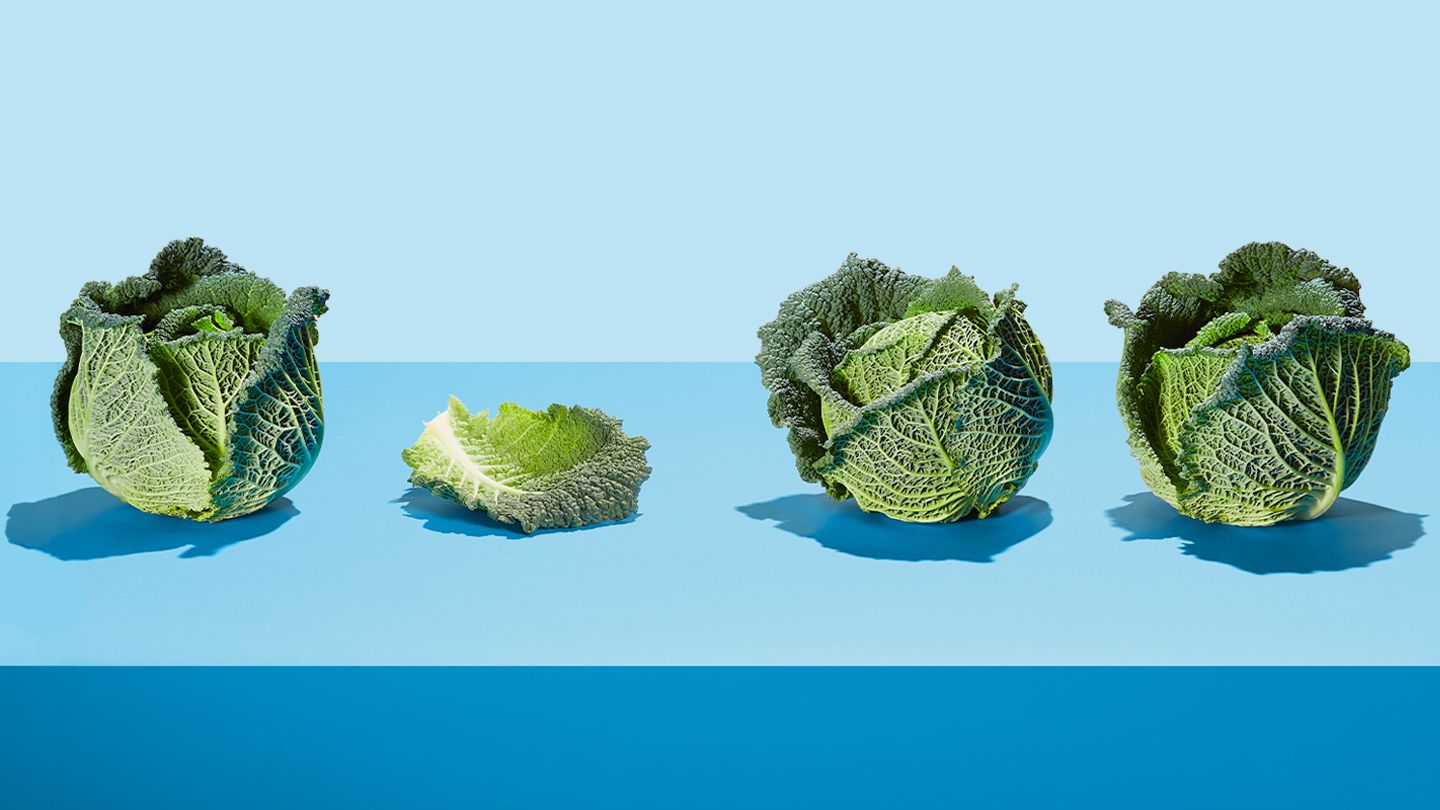
Cabbage can combat disease, lower inflammation, and is an affordable and delicious option. But the health benefits of this vegetable don’t actually stop there.
As a member of the Brassica genus of cruciferous vegetables, cabbage shares its botanical heritage with veggie power players like kale, broccoli, and Brussels sprouts. Like these leafy green cousins, cabbage contains high amounts of antioxidants, which may be responsible for its surprising list of potential health benefits. Besides being chock-full of inflammation-fighting compounds, cabbage is high in vitamins C and K, which bring their own wellness boosts.
Many people opt to use cabbage solely for its crunchy texture. But once you discover how cabbage can support your health, you might just feel inclined to add more cabbage to your diet. Here are seven reasons why cabbage can be a healthy addition to your eating plan.
1. Cabbage Can Lower Inflammation
One of the most common reasons to eat more cabbage is because it can help reduce inflammation in your body. Cabbage contains anthocyanins, a powerful type of antioxidant that helps lower inflammation.
Research shows that compounds known as kaempferol, quercetin, and apigenin are the most abundant antioxidants in green cabbage, while cyanidin is most prevalent in red cabbage.
It turns out, these compounds have profound effects on your overall health. While more research is needed, some evidence suggests that the antioxidants found in green cabbage can reduce chronic inflammation and protect your liver, nervous system, and lungs from cellular damage.
Similarly, the cyanidin found in red cabbage can also reduce cellular damage and oxidative stress in your blood vessels, and laboratory research suggests it may also help support healthy blood pressure.
Other helpful compounds in cabbage include glucosinolates. “When these compounds are eaten and absorbed into the tissues, they react with signaling proteins in the cells that produce antioxidant and anti-inflammatory enzymes, proteins, and other protective molecules by the cell,” says food scientist Bryan Q. Le, PhD, of Puyallup, Washington. “[This process] helps the body rid itself of highly reactive oxygen species and other toxic waste products. This can lead to a reduction of inflammation and oxidative stress, which may provide some protection against cardiovascular diseases, carcinogens, and metabolic disorders like diabetes.”
2. Cabbage May Reduce Cancer Risk
In recent years, there’s been plenty of discussion about whether cruciferous veggies have the potential to fight cancer. Because cabbage is a cruciferous vegetable, it may have the nutrients that can support an anticancer diet.
First of all, cabbage is high in vitamin C. Just one leaf of cabbage contains about 12 milligrams (mg) of vitamin C, while a whole medium-sized head of cabbage contains about 332 mg. For reference, experts recommend that adult men and women get 90 mg and 75 mg of vitamin C a day, respectively. Eating just few cabbage leaves already gets you to half of your goal. This is important because research suggests that eating a diet high in vitamin C could play a role in reducing the risk of lung and breast cancers.
Then there are those helpful glucosinolates again. “After cutting, chewing, or digesting cabbage, glucosinolates break down into bioactive compounds with potential anti-inflammatory properties,” explains Santa Monica, California-based oncology dietitian and chef Cindy Chou, RDN. “This may help with the detoxification of carcinogens (cancer-causing agents),” she adds.
Many governments are making progress in the fight against tobacco, with 5 billion people today living in countries that have introduced smoking bans, graphic warnings […]
Unintentional napping was associated with a higher incidence of possible or probable dementia, data from the National Health and Aging Trends Study showed. (Journals of […]
Journaling, gratitude letters, counting your blessings, these practices have become wellness staples over the past decade. But the science behind them has had a notable […]