5. Folic Acid
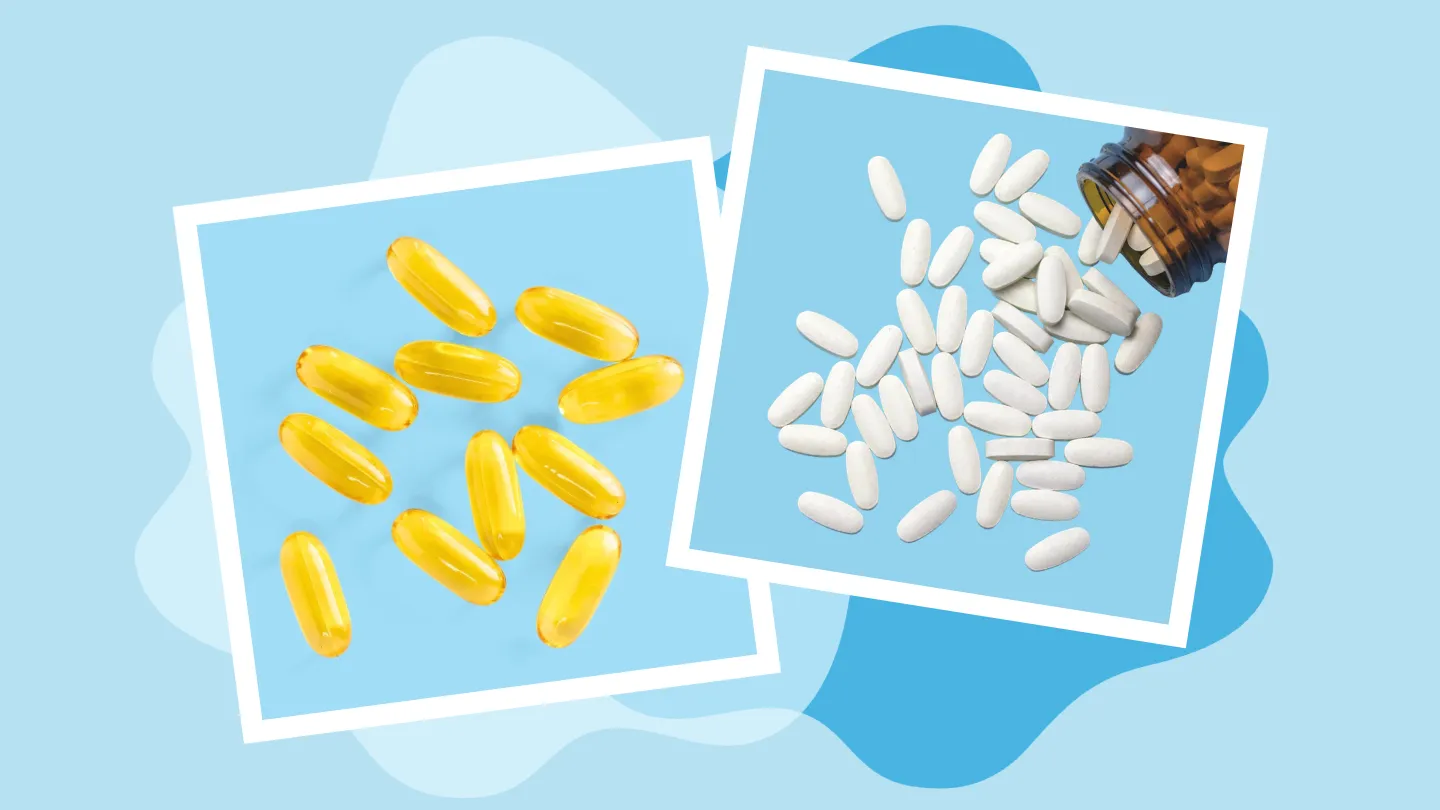
Folate, a B vitamin, is important for making new red blood cells, and folic acid (a form of folate) became a standard supplement in SCD in the 1980s, says Fung. It’s still often given at about 1,000 micrograms (mcg), or 1 mg, a day, she says.
But the one big trial, done in young children in the early 1980s, found that folic acid raised folate levels without improving anemia, says Fung.
Now that many foods like bread, pasta, and cereal are fortified with folic acid, researchers are asking whether supplements are still needed, says Fung.
In a 2025 trial of 31 children, pausing folic acid for 12 weeks didn’t affect hemoglobin or pain episodes, though a few children’s folate levels dropped too low. The authors concluded that some children with SCD may benefit from the supplement, but it still wasn’t clear if it improved outcomes.
While many doctors recommend folic acid, it’s not necessarily the supplement that has shown the greatest benefits, says Fung.
Folic acid is fairly safe, because your body gets rid of what it doesn’t need, but high doses can mask a vitamin B12 deficiency, says Fung. Left untreated, B12 deficiency can cause permanent nerve damage, and folic acid can also interact with methotrexate (Trexall) and some anti-seizure drugs.