Safe Strategies for Older Adults


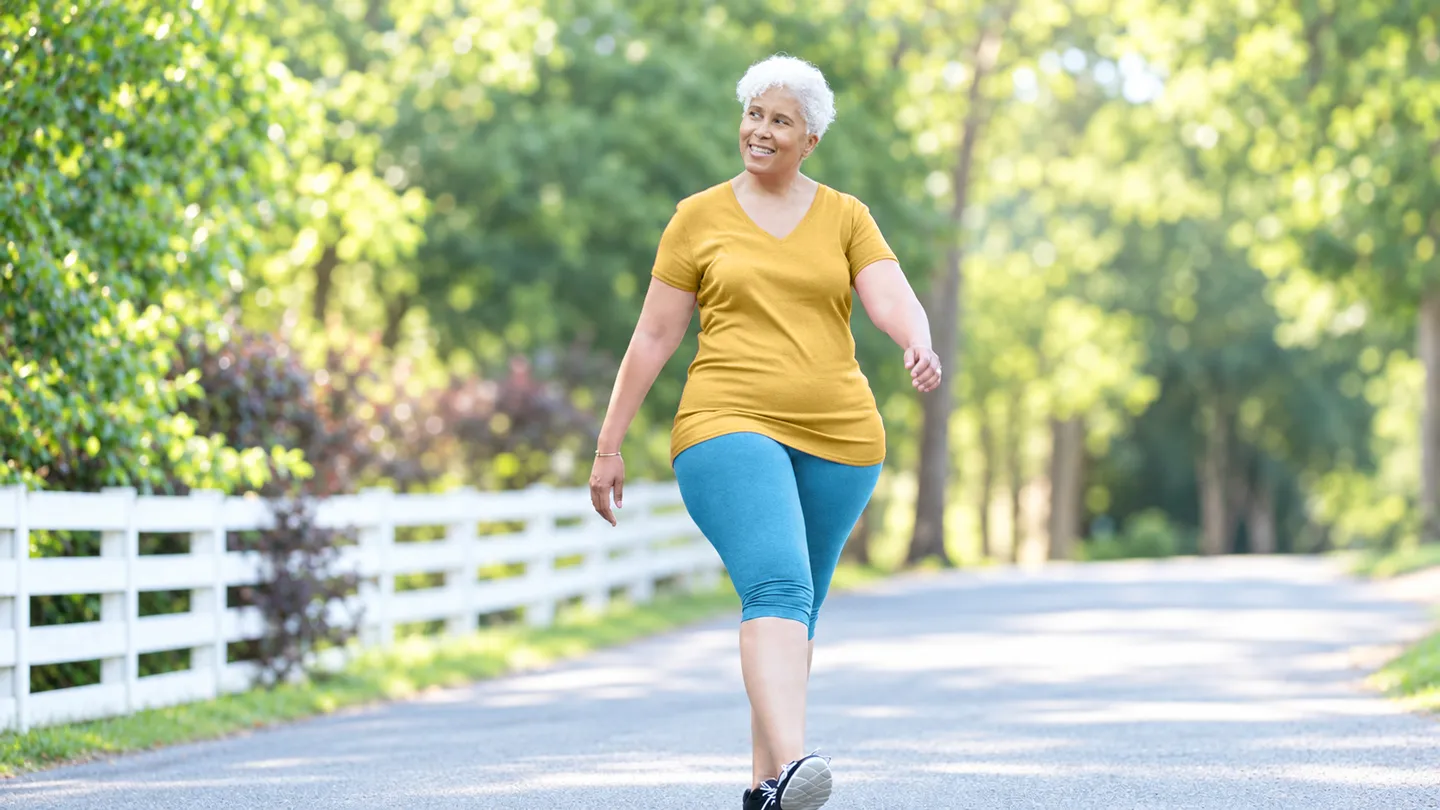
Let’s cut right to the chase: You can still lose weight when you’re older. “While aging creates increased challenges with weight loss,” says Kristene Diggins, DNP, a family and geriatrics nurse practitioner in Durham, North Carolina, “it does not make it impossible to reach healthy weight goals.”

You may have to work harder to see results, though, or work with your doctor to modify your goals to overcome some normal biological shifts and lifestyle changes. “What changes is the biology behind weight management,” says Ronald Schwartz, MD, senior director of Continuum Health Services at Masonicare, a provider of healthcare services to older adults in Wallingford, Connecticut.

Starting as early as age 30, your body begins to lose lean muscle tissue and gain more fat. It’s a gradual process, but by the time you reach older adulthood, you may have up to one-third more body fat than when you were younger.

Some of this has to do with changes in hormone levels and metabolic rate (the rate at which your body burns calories).

 Lifestyle shifts also play a role. For example, you might spend more time sitting and less time being active than you used to, whether it’s because of aches and pains, a chronic condition, or simple fatigue.

 Unless you make a dedicated effort to eat less, that lack of movement can add up to weight gain.

“The key is to adapt to your body’s changing metabolic rate as you age,” says Diggins.
Leave a Reply

Your email address will not be published. Required fields are marked *

Prove your humanity: 4   +   6   =