The best clothing style is ultimately one that doesn’t repeatedly irritate your skin through rubbing, snagging, or scratching, Adigun says.
Try Looser, More Relaxed Fits
Maxi dresses, oversize tops, wide-leg trousers — styles with a relaxed fit allow for air circulation and create less friction than fitted tops and tight jeans. “Loose-fitting, flowing clothing is often more comfortable because it minimizes rubbing and pressure against the skin,” Levine says.
That doesn’t mean everything in your closet needs to be oversize. Leggings, waistbands, or bra straps aren’t problematic unless they’re chafing your skin, Adigun says.
Pay Attention to Seams, Tags, and Hardware
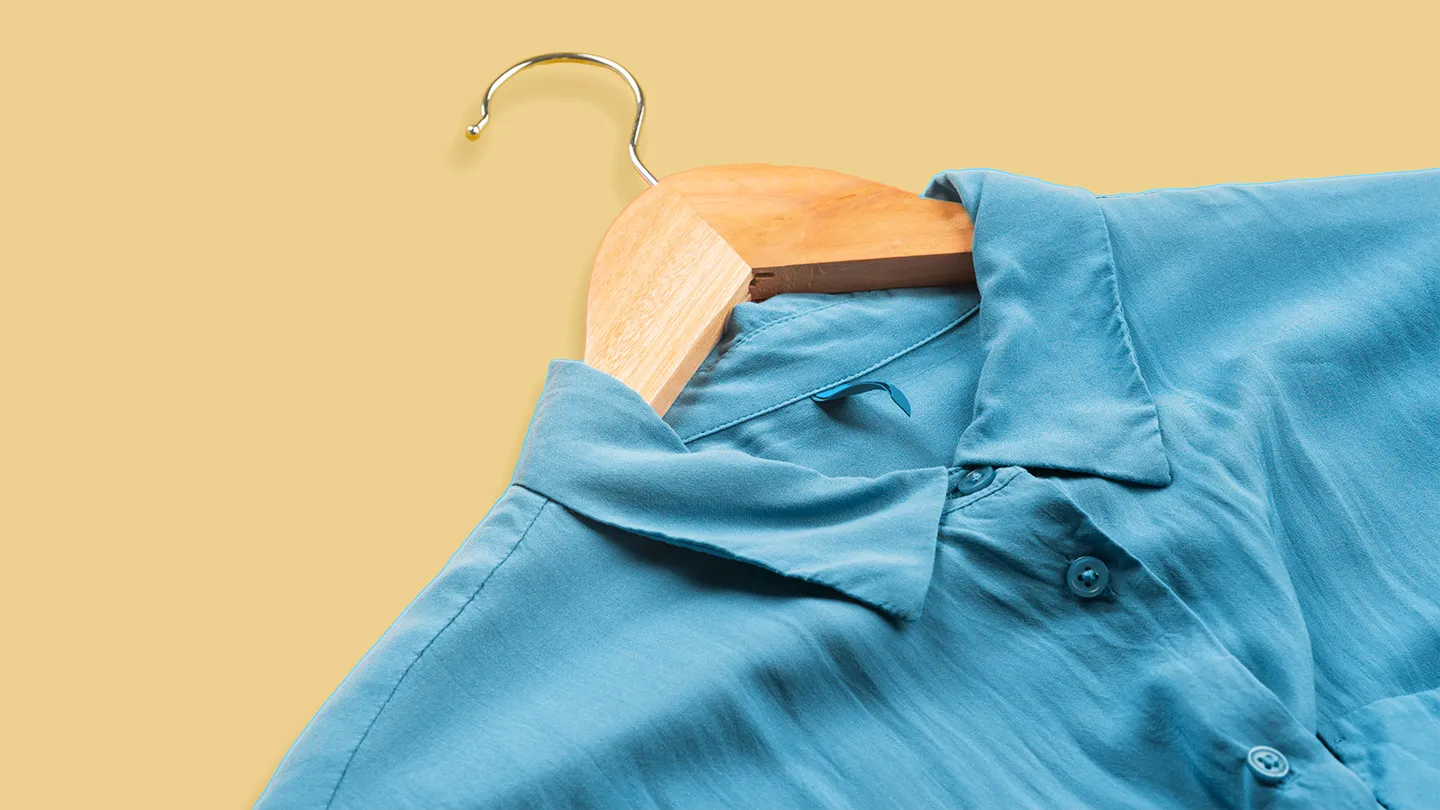
Sometimes the fabric itself is perfectly comfortable, but one tiny part of a garment isn’t: tags, raised seams, stiff collars, zippers, buttons, and other details may rub or pull on the same area of skin, raising the risk of the Koebner effect, Adigun says.
“[They] aren’t inherently a problem, but their placement matters. If something repeatedly rubs against an area where a patient has active psoriasis, I’d recommend choosing another style,” Levine says.
Use Color and Patterns Strategically (if You Want To)
This is more of a personal preference, not a medical one. “Dark clothing itself does not worsen psoriasis,” Levine says. “Some patients feel more comfortable in lighter colors or prints because flaking may be less noticeable than it is against black.”
But if black is your favorite color — or navy is part of your work or school uniform — there’s no medical reason to stop wearing it. You may just notice flakes more readily on the fabric.
Dress in Layers
Where possible, layer up instead of wearing a thick, heavy sweater. Lightweight layers can make it easier to regulate your temperature, Levine says.
“If you notice that overheating tends to make your psoriasis worse, being able to remove a layer before you become very warm can make a significant difference,” she says.