54 years ago—October 1972 marked the theatrical arrival of Lady Sings the Blues, the biographical drama directed by Sidney J. Furie that introduced Diana Ross to feature-film audiences as legendary jazz vocalist Billie Holiday. Released through Paramount Pictures, with Motown Productions involved in its creation, the film also starred Billy Dee Williams as Louis McKay and Richard Pryor as the Piano Man.
According to the American Film Institute (AFI), the film opened in New York on October 18, 1972, followed by its Los Angeles opening on October 25. Its screenplay, written by Terence McCloy, Chris Clark and Suzanne de Passe, drew inspiration from Holiday’s autobiography, co-written with William Dufty, while taking considerable dramatic liberties.
Diana Ross Takes an Extraordinary Career Gamble
Casting Ross, then celebrated as a former lead singer of The Supremes, initially provoked skepticism. Could a Motown superstar convincingly portray a jazz artist whose turbulent life was inseparable from her music?
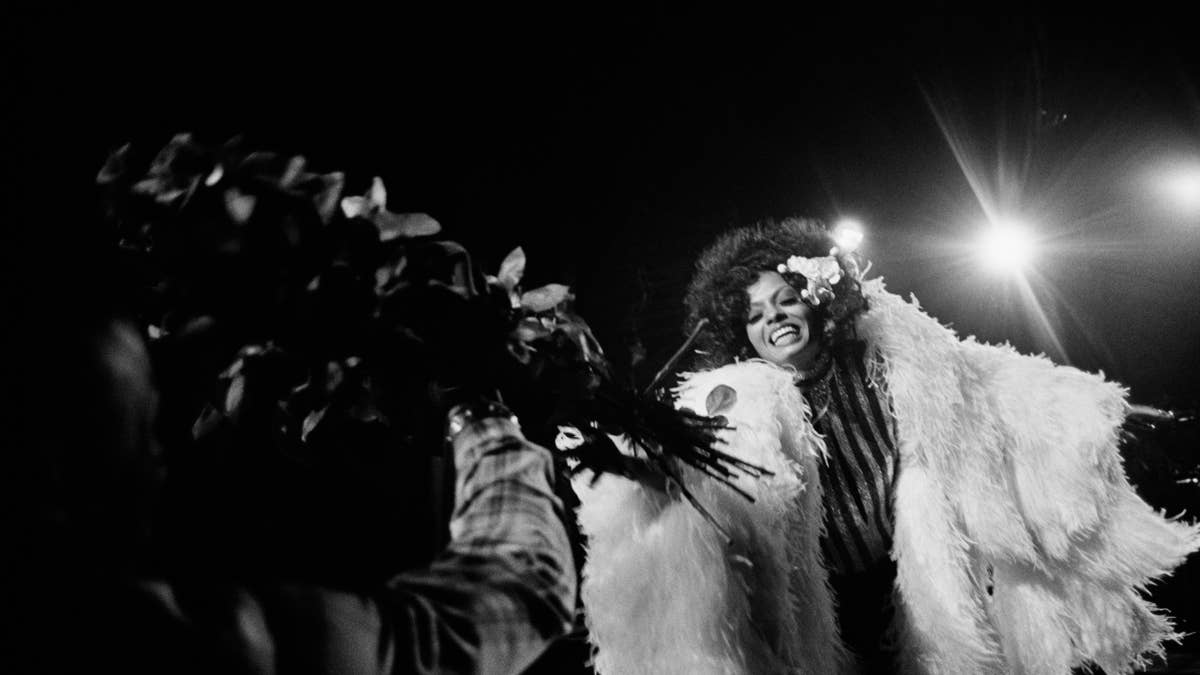
Ross reportedly immersed herself in Holiday’s recordings for nine months, studying the singer’s emotional expression and musical phrasing. Contemporary music-industry publication Record World quoted Ross explaining: “I felt that she expressed her total being in her songs.”
The finished film chronicled Holiday’s troubled childhood, rise to fame, relationships and drug addiction, although its compressed characters and altered historical details attracted criticism.
Nevertheless, influential critic Roger Ebert praised Ross’s performance, writing that it was “one of the great performances of 1972.” He observed that she captured Holiday’s musical spirit without simply imitating her distinctive voice.
Five Oscar Nominations, One Enduring Legacy
The film earned five nominations at the 45th Academy Awards, including Best Actress for Ross, alongside recognition for its screenplay, musical adaptation, costume design and art direction. Although it won none, the nominations established Ross as a serious screen performer.
Beyond Hollywood recognition, Lady Sings the Blues helped renew interest in Holiday’s extraordinary musical legacy, exposing new audiences to songs associated with one of jazz’s most influential vocalists.
Its historical inaccuracies remain important qualifications, but the film’s enduring significance lies in its ambitious portrayal of an artist whose voice transformed American popular music.