Americans get an extra hour of sleep when daylight saving time ends at 2 a.m. Sunday, November 1. But doctors say one common mistake could make the transition harder: heading into the clock change already sleep-deprived.
Beth Malow, MD, a Vanderbilt University Medical Center neurologist and sleep specialist, told the Association of American Medical Colleges that getting enough rest beforehand matters more than trying to recover afterward. The extra hour may sound like a bonus, but it doesn’t automatically reset your internal clock.
Related: What the Science Really Says About Red Light Therapy, Mood, and Seasonal Affective Disorder
Related: Daylight Saving Time Ends November 1, but Doctors Warn of One Surprising Side Effect
Why Doctors Say Saturday Night Matters
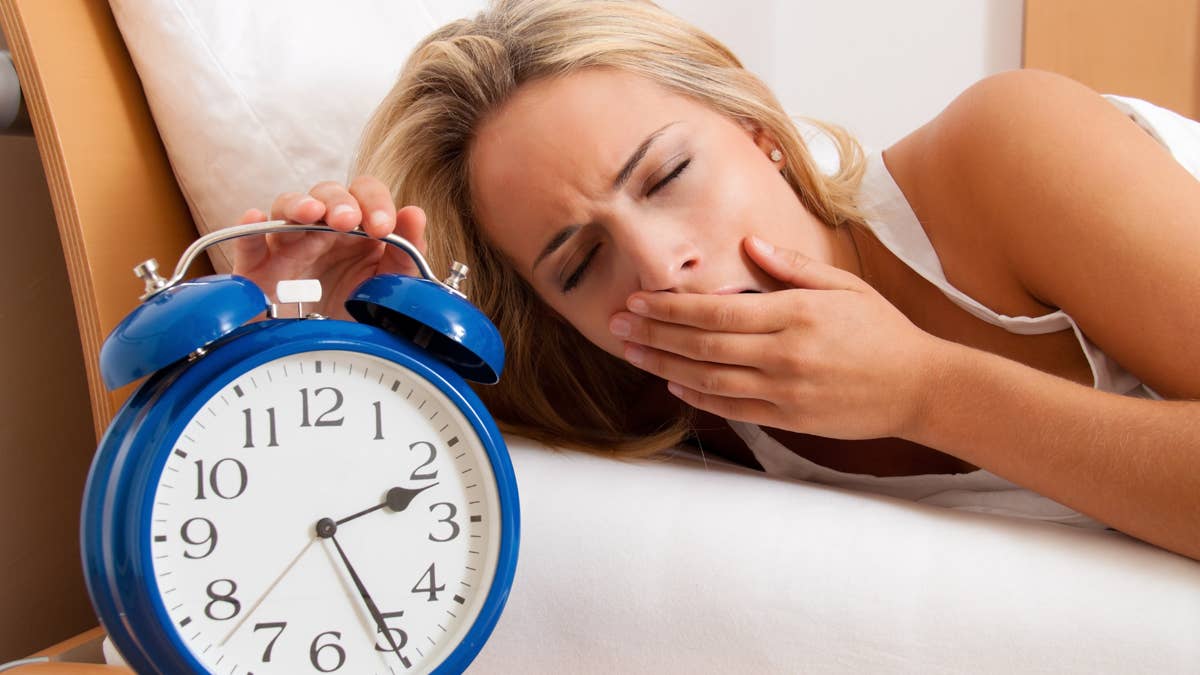
Malow explained that the fall transition is generally easier than losing an hour in March. Still, earlier darkness can leave people feeling tired in the afternoon and encourage habits that interfere with nighttime sleep.
“The number one most important thing, whether it’s March or November, is to try not to go into the transition sleep deprived,” Malow told AAMC.
The concern involves circadian rhythms, the biological timing system that helps regulate sleep and alertness.
Morning sunlight plays an important role in keeping that system synchronized. As Malow explained, light exposure helps align the body’s internal timing with the outside world.
Related: Scientists Warn Shorter Fall Days May Trigger Depression, but the First Signs Are Easy to Miss
What Sleep Experts Recommend Before Sunday
The AAMC’s October 29 guidance offers a straightforward plan: prioritize sufficient sleep, seek bright morning light, exercise regularly, and avoid excessive alcohol or late-day caffeine.
Stanford sleep researcher Jamie Zeitzer, PhD, also recommends gradual bedtime adjustments rather than suddenly shifting sleep by an entire hour.
However, with the change arriving tonight, there’s little reason to force a major schedule adjustment. Focus instead on getting adequate rest and maintaining a consistent routine Sunday morning.
The advice is particularly relevant for people who already struggle with irregular sleep schedules.
Related: How to Fall Asleep Faster and Stay Asleep, According to Sleep Experts
The Other Problem Arrives After Sunset
Sunday’s earlier sunset could be more noticeable than the extra morning hour.
The American Academy of Sleep Medicine’s recommendations, summarized by AARP, emphasize morning light, consistent routines, and regular exercise to help people adjust.
Malow also advises paying closer attention to driving safety as commutes become darker.
The takeaway: Don’t count on Sunday’s extra hour to erase accumulated sleep debt. Get sufficient rest tonight, find morning daylight tomorrow, and keep your routine steady.
Related: What Happens to Your Body When Clocks ‘Fall Back’ an Hour, According to Science
Related: The Clock Change May Finally End, but Your Body Might Not Like What Comes Next