You can lift weights, build muscle, and feel stronger than ever. But there’s one part of your body that could still be getting weaker without warning: your bones.
According to Yihan Chen, MD, MPH, a clinical physician at Biograph, maintaining bone strength requires more than calcium supplements or conventional gym workouts. The missing ingredient may be the type of force your bones experience during exercise.
“Bone loss is almost completely silent,” Chen tells Men’s Journal. “Osteoporosis has earned its nickname, ‘the silent disease,’ because you typically don’t feel it happening.”
Next: Your Body Starts Losing Strength Earlier Than You Think, Even if You Exercise
Why Strong Muscles Don’t Guarantee Strong Bones
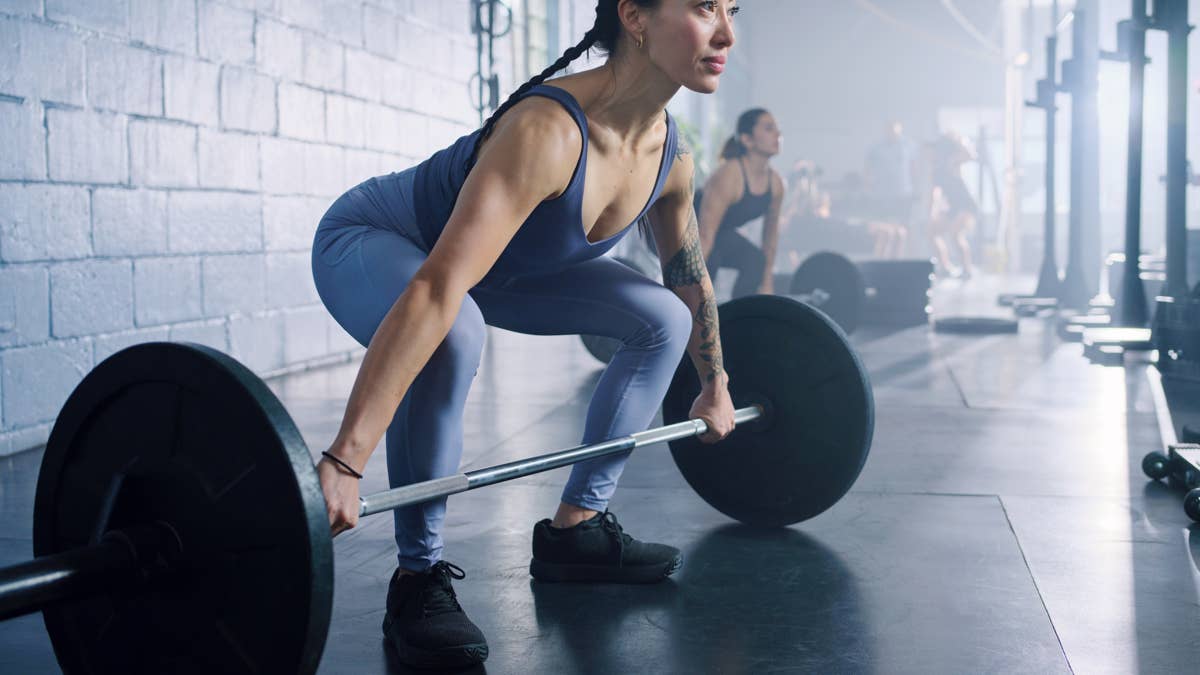
Muscles and bones respond to exercise differently. Building muscle doesn’t automatically mean you’re doing everything necessary to preserve bone density.
“Bone responds to load,” Chen explains. “The principle is simple: challenge bone with meaningful force, and it adapts by getting stronger, the same way muscle does.”
Chen recommends combining progressive resistance training with impact movements that challenge the hips and spine.
A 2021 study involving older men found that impact-loading frequency predicted improvements in bone mineral density more strongly than the amount of weight lifted during resistance training.
That doesn’t mean abandoning heavy weights. It means reconsidering what a complete strength program looks like.
Next: Bigger Muscles May Have a Hidden Benefit That Goes Beyond Lifting Heavier Weights
The Exercises That Could Make the Biggest Difference
Chen recommends squats, deadlifts, overhead presses, and weighted lunges alongside appropriately selected jumping exercises.
“Schedule 2-3 exercise sessions each week that include a combination of progressive resistance training and higher-impact exercises, like jumps,” Chen advises.
For people who can safely tolerate impact, multidirectional hops and controlled jumps provide different loading patterns.
However, the Bone Health and Osteoporosis Foundation cautions that people with osteoporosis or elevated fracture risk may need to avoid high-impact movements.
Next: Lifting Weights After 50? Scientists Say There’s Another Way to Stay Strong
When to Check Your Bone Density
The U.S. Preventive Services Task Force recommends screening women at 65 and younger postmenopausal women with elevated risk. Evidence remains insufficient to recommend universal screening for men.
Chen favors earlier, individualized assessment, especially for people with previous fractures, significant height loss, or other risk factors.
“Precisely because bone loss is largely asymptomatic, the proactive step isn’t to wait for symptoms before taking action.”
Bottom line: Train for bone strength before a fracture exposes a problem. Combine appropriate resistance exercise, nutrition, and risk-based screening rather than relying on muscle strength alone.
Next: Scientists Found a Hidden Cause of Muscle Aging and Exercise May Help Fight It
Related: Trainer: Why Men Over 40 Should Be Doing Box Squats for Long-Term Strength