Moss might look harmless, but its presence on your lawn is a red flag. Healthy, thick turf naturally chokes out invaders, so when moss starts gaining ground, it’s a clear symptom that something in your environment is off—typically poor drainage, compacted soil, heavy shade, or relentless moisture.
Raking moss out is only a short-term fix. To eradicate it for good, you have to fix the underlying soil and light conditions that allowed it to settle in the first place.
Read on for a step-by-step guide to eliminating moss from your lawn.
Why Does Moss Grow in Lawns?
“Geographical locations with large amounts of rainfall will be particularly conducive to moss invasions,” explained Alec Kowalewski, a horticulture professor at Oregon State University. Its preference for cool temperatures and persistent dampness makes moss a major challenge across multiple regions.
In the Pacific Northwest and coastal zones, mild temperatures and frequent overcast skies create ideal year-round conditions for moss colonization. Across the Southeast and East Coast, heavy seasonal rains and dense tree canopies trap moisture near the ground, restricting light and airflow. In the Upper Midwest and Northeast, cool spring temperatures and slow-draining soil from melting snow keep the ground waterlogged, delaying turfgrass green-up and giving cool-loving moss a head start to establish and spread via spores.
Related: Train Your Trees To Grow Healthy and Strong With This Arborist-Approved Pruning Method
Too Much Shade
Grass needs several hours of direct sunlight each day to grow thick enough to crowd out moss. When trees, shrubs, fences, sheds, or nearby buildings block that sunlight, turfgrass becomes thin, weak, and less able to compete. Kowalewski explains that moss, on the other hand, is exceptionally shade-tolerant and thrives in wet or saturated soil conditions.
In the Northern Hemisphere, the northern side of your home receives the least amount of direct sunlight throughout the day. To keep this damp, shadowy area from turning into a moss magnet, seed it with shade-tolerant grasses, aerate the soil regularly, and hold back on overwatering.
Similarly, consider planting a shade-tolerant grass beneath any mature tree canopies, or keep them pruned to allow more sunlight to reach the lawn below.
Kowalewski provided some recommendations on shade-tolerant turf. “In northern climates, fescue will do better in shade conditions than other cool-season turfgrass species. In southern climates, St. Augustinegrass is often the preferred warm-season shade tolerant grass species.” It’s important to note that they still need some sunlight to thrive. “If you have tried these grasses in your shady areas and they have thinned out or disappeared over time it is likely time to consider hardscaping or mulch as an alternative in these deep shade environments.”
Related: This Low-Water Landscaping Trend Requires Way Less Maintenance Than Grass
Poor Drainage and Excess Moisture
As we mentioned above, moss thrives in consistently damp conditions. If parts of your lawn stay soggy for days after a rainstorm or heavy watering, moss is guaranteed to take advantage. Poor drainage typically stems from compacted soil, low spots in the yard, dense thatch buildup, or improper grading that traps runoff. These conditions suffocate grass roots by cutting off oxygen, weakening your turf and clearing a path for moss to take over.
Ways to Address Poor Drainage:
- Aerate the Soil: Pull plug aerators across compacted areas every spring or fall to open up channels for water, air, and nutrients to penetrate deep into the root zone.
- Dethatch the Turf: Remove the dense layer of dead grass and organic debris choking the surface using a dethatching rake or power rake so moisture doesn’t pool on top.
- Level Low Spots: “If water is pooling in your lawn, consider installing perforated drain tiles, a French drain or catch basin to remove pooling water or water from saturated areas,” Kowalewski advises. Note that water bypass methods like this require an adjacent area of low-lying elevation for the water to move into. “If there is no lower elevation to move the water to, you are likely stuck with it and should consider an alternative to turfgrass which will indefinitely struggle in these conditions.”
- Regrade or Install Subsurface Drainage: Ensure the ground gently slopes away from your home’s foundation, or install a French drain to actively direct stubborn runoff out of problem areas.
Compacted Soil
Over time, repeated foot traffic, lawn equipment, and even natural settling can compress the soil beneath your lawn. When soil becomes compacted, water, air, and nutrients have a harder time reaching grass roots. As root growth slows, grass loses vigor and becomes less capable of filling in bare or thin areas. Moss is far less dependent on deep root systems, allowing it to thrive where turfgrass cannot. Core aeration can help relieve compaction and create conditions that favor healthy grass growth over moss.
Thin or Unhealthy Turf
A dense lawn is one of the best defenses against moss. When grass becomes stressed or sparse, however, openings develop that give moss room to spread. Common causes of thin turf include mowing too short, drought stress, excessive shade, heavy foot traffic, pest damage, and inconsistent fertilization. Because moss reproduces through spores and can quickly colonize exposed soil, even small bare patches can become green with moss over time. Maintaining proper mowing, watering, and fertilization practices helps grass form a thicker canopy that naturally crowds out moss.
Low Soil Fertility
Grass requires a steady supply of nutrients, particularly nitrogen, to grow vigorously and maintain a healthy green color. In nutrient-poor soils, turfgrass growth slows, leaving the lawn thinner and less competitive. Moss doesn’t need the same level of fertility to survive, which allows it to gain a foothold when grass is weakened by nutrient deficiencies. While fertilizing alone won’t eliminate moss, correcting fertility issues can help grass recover and better resist future moss growth. A soil test can identify nutrient shortages and guide a more targeted fertilization plan.
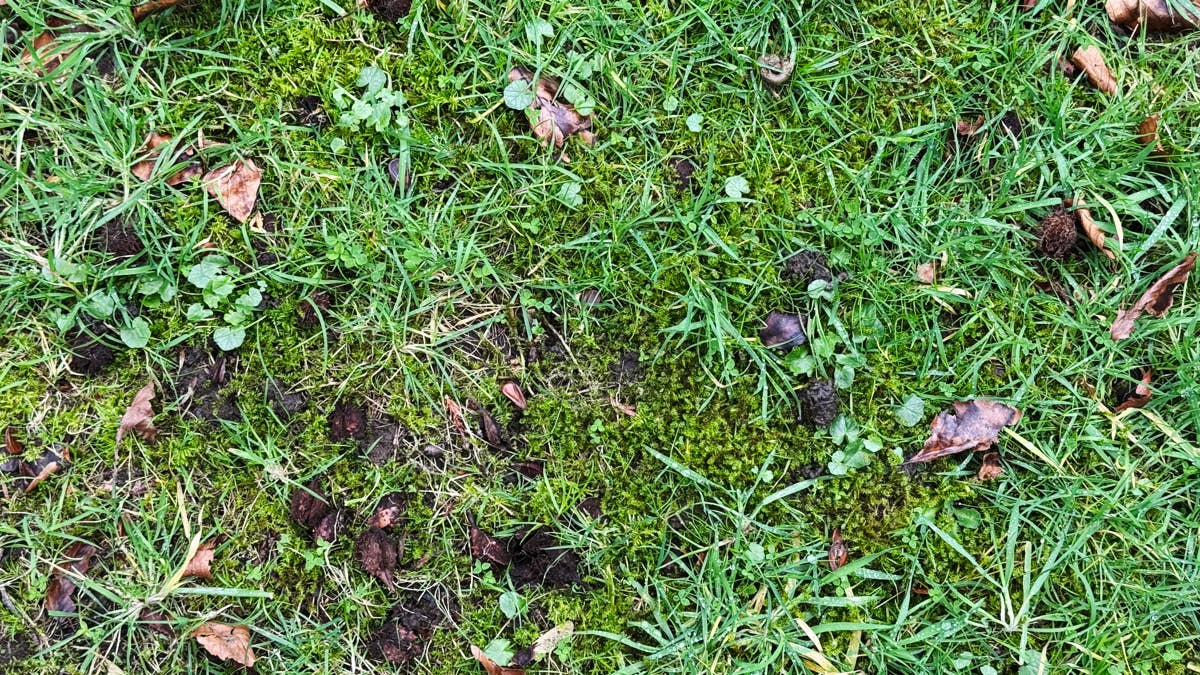
How to Remove Moss From Your Lawn
Kowalewski says there’s a misconception about moss control products: putting them down is the only necessary step. He says the key to permanently removing moss from your lawn is to change the environment.
Step 1: Identify the Cause
Before you reach for a rake or moss killer, take a close look at what’s causing the infestation. Moss rarely appears in a healthy lawn and it’s often a sign of excessive shade, poor drainage, compacted soil, low fertility, or weakened turf. Determining the root cause will help you choose the right solution and prevent moss from returning year after year.
Step 2: Remove Existing Moss
Once you’ve identified the underlying issue, it’s time to remove the moss that’s already established.
For small patches, a steel rake or dethatching rake is often enough to loosen and pull up the moss. Afterward, collect and dispose of the debris to prevent spores from spreading to other areas.
If moss covers large sections of the lawn, a lawn-safe moss control product may make removal easier. Follow the manufacturer’s instructions carefully, then wait for the moss to die and turn dark brown or black before raking it out. Removing dead moss creates space for grass to regrow and reoccupy the area.
Homeowners with pets need to pay special attention to any herbicide’s re-entry intervals. Per Kowalewski, the label will say when it is safe to enter areas after applications. “Products sold at home improvement stores have some of the shortest reentry intervals and the lowest risk to the environment and applicator.”
Related: If Your Lawn Looks Dead, Grubs Could Be the Culprit. Here’s How to Wipe Them Out Fast
Step 3: Aerate the Lawn
Compacted soil is one of the most common contributors to moss growth. Core aeration helps by removing small plugs of soil, allowing water, oxygen, and nutrients to penetrate deeper into the root zone. This encourages stronger root development and healthier turf. For lawns with severe compaction, annual aeration can make a noticeable difference in overall grass health.
Step 4: Address Drainage Issues
If standing water or persistently soggy soil is part of the problem, improving drainage should be a priority. Fill low spots where water collects, correct grading issues that direct water toward the lawn, and consider incorporating organic matter into heavy soils to improve drainage and soil structure. In severe cases, installing a French drain or other drainage system may be necessary to keep the area from remaining wet for extended periods.
Step 5: Overseed Bare Areas
Removing moss often leaves behind thin or bare patches that are vulnerable to reinfestation. Overseeding these areas helps establish dense, healthy turf before moss can return. Choose a grass seed variety that’s suited to your climate and site conditions, especially if shade is an ongoing challenge. Consistent watering during germination will help new grass become established more quickly.
Step 6: Fertilize Appropriately
Healthy grass is your best long-term defense against moss. Applying fertilizer according to the needs of your lawn provides the nutrients turfgrass needs to grow thick. Avoid overfertilizing, which can create its own set of lawn problems, and consider conducting a soil test if you’re unsure which nutrients are lacking. A well-fed lawn is better equipped to outcompete moss and resist future invasions.
Related: The No.1 Watering Mistake That’s Killing Your Lawn
How to Prevent Moss From Coming Back
As with many yard care projects, timing is key. “If you are focused on reducing moss density, spring is the best time to remove the moss with a detacher, fertilize and interseed,” Kowalewski said. “Spring and summer months come with longer days and warmer temperatures which are good for the grass and bad for the moss.”
Improve Sunlight Exposure
Moss thrives in areas where grass struggles to get enough light. Increasing sunlight can significantly improve turf health and reduce the likelihood of future moss growth. Pruning overhanging tree branches, thinning dense shrubs, and removing unnecessary vegetation can allow more sunlight to reach the lawn. In heavily shaded locations where increased light isn’t possible, consider overseeding with grass varieties specifically bred for shade tolerance.
Aerate Annually
Annual core aeration is one of the most effective ways to maintain healthy soil conditions. Aeration relieves compaction, improves oxygen exchange, and allows water and nutrients to penetrate deeper into the root zone. Stronger root systems help grass withstand stress and create a thicker lawn that’s less vulnerable to moss invasion. Fall and spring are generally the best times to aerate cool-season lawns.
Mow Properly
Cutting grass too short may make mowing easier in the short term, but it can weaken turf over time. Taller grass develops deeper roots, shades the soil, and helps conserve moisture during hot weather. It also leaves fewer openings for moss to establish itself. A good rule of thumb is to remove no more than one-third of the grass blade during any single mowing. Maintaining the recommended height for your grass type will encourage denser, healthier growth.
Water Wisely
Overwatering is a common contributor to moss problems. Rather than applying small amounts of water every day, water deeply and less frequently to encourage roots to grow deeper into the soil. This approach helps strengthen turf while preventing the constantly damp surface conditions that moss prefers. If parts of your lawn remain wet long after watering or rainfall, it may be a sign that drainage issues still need to be addressed.
Feed Your Lawn
Regular fertilization helps grass stay vigorous enough to outcompete moss. Nutrient-deficient lawns often become thin and patchy, creating opportunities for moss to gain a foothold. Follow a fertilization schedule appropriate for your grass type and local growing conditions, and consider a soil test if you suspect nutrient imbalances. Proper feeding supports thicker growth, stronger roots, and better resistance to stress.
Related: Not All Grass Is Built for Your Climate—Here’s How to Pick the Right Type
Overseed Every Autumn
Even healthy lawns naturally thin over time due to traffic, weather, pests, and seasonal stress. Annual fall overseeding helps replenish grass density and fill in sparse areas before weeds and moss can take hold. The cooler temperatures and increased moisture of fall provide ideal conditions for seed germination, allowing new grass to establish before the following growing season. A dense lawn remains one of the best defenses against future moss problems.
Common Moss Removal Mistakes
Removing Moss Without Solving the Root Cause
This is the biggest mistake homeowners make. Raking out moss or applying a moss killer may improve the lawn’s appearance temporarily, but the moss will often return if issues like poor drainage, excessive shade, compacted soil, or weak turf remain unaddressed. Think of moss as a symptom rather than the disease itself. Long-term control requires creating conditions that favor grass growth.
Mowing Grass Too Short
Mowing grass too short weakens it and makes it more vulnerable to moss invasion. Short grass has a smaller root system, struggles to compete for resources, and leaves the soil more exposed. Taller turf helps shade the ground, retain moisture during dry periods, and crowd out unwanted growth. Follow recommended mowing heights for your grass type and avoid removing more than one-third of the blade length at a time.
Overwatering
Many lawns receive more water than they need. Frequent, shallow watering keeps the soil surface constantly damp, creating ideal conditions for moss. Instead, water deeply and less often to encourage deeper root growth and improve the lawn’s ability to withstand stress. If your lawn remains soggy for extended periods, consider reducing irrigation frequency and evaluating drainage conditions.
Related: Your Soil Could Be Sabotaging Your Lawn—Here’s How to Find Out
Ignoring Drainage Problems
If water pools in certain areas after rain or irrigation, simply removing the moss won’t solve the problem. Poor drainage creates an environment where grass struggles and moss thrives. Low spots, compacted soil, and grading issues should be corrected to improve water movement and create healthier growing conditions for turfgrass.
Skipping Overseeding After Moss Removal
Moss removal often leaves behind bare or thin areas that are vulnerable to reinfestation. Without new grass to fill those spaces, moss can quickly return. Overseeding immediately after removing moss helps establish dense turf that can reclaim the area and prevent future outbreaks.
Applying Lime Without First Testing Soil
One of the most persistent lawn care myths is that moss automatically means the soil is too acidic. While moss can grow in acidic conditions, it can also thrive in soils with a perfectly acceptable pH. Applying lime without a soil test may do little to address the real problem and could unnecessarily alter soil chemistry. Before adding lime, conduct a soil test to determine whether adjusting pH is actually needed.
Related: These 2 Signs Mean It’s Time to Start Your Fall Yard Cleanup
FAQs
What will kill moss but not grass?
Products formulated specifically for lawns, particularly iron-based moss killers, are designed to target moss while leaving established grass unharmed when used according to label directions. Use caution and follow all of the product’s instructions to ensure safety.
Does vinegar kill moss?
Yes, vinegar can kill moss. However, it is a non-selective treatment, meaning it can also damage or kill nearby grass and other desirable plants. It’s generally better suited for hardscape areas such as patios and walkways than for lawns.
Does dish soap kill moss?
Some homeowners use mixtures containing dish soap as a DIY moss treatment. While soap solutions may dry out or damage moss, results are often inconsistent, and they can potentially stress surrounding turf. Lawn experts generally recommend using products specifically labeled for moss control.
What should you do if your lawn is full of moss?
Start by identifying the cause. This will help determine the best course of action for removing and preventing it.
Does lime get rid of moss?
Not necessarily. Lime raises soil pH, but moss is usually caused by factors such as excess moisture, shade, and poor drainage. Applying lime is only helpful if a soil test indicates your lawn is too acidic.
Will moss go away on its own?
Moss rarely disappears on its own. Unless the conditions that favor moss change, it will typically persist and may continue spreading.