Lawn care is widely associated with spring and summer, and many homeowners assume that maintenance ends when temperatures begin to fall. In reality, autumn is when some of the most crucial lawn care steps happen.
Kelly Kopp, a professor and turfgrass specialist at the Utah State University Extension, explained that preparation is key to next season’s green grass. “The most important thing is to send the lawn into winter healthy, not stressed. A healthy lawn with good root development is much better prepared to tolerate cold, snow cover, and winter desiccation than a lawn that has been scalped, overfertilized, or left buried under leaves.”
If you’re looking for a thicker, greener lawn next year, here’s the complete pre-winter checklist.
How to Prepare Your Lawn for Winter
Time Your Final Mow Carefully
Many lawns continue growing longer than homeowners expect. In general, top-growth slows when daytime temperatures consistently hover around 50 degrees, and full dormancy is reached when the ground freezes. Kopp said there isn’t a one-size-fits-all date for putting away the mower, and advised checking with local grass experts for advice tailored to the region you live in. Consistent frosty mornings and slow grass growth, or the season’s first hard freeze, are also indicators.
As grass prepares for dormancy, it begins shifting energy away from top growth and into its root system. Gradually lowering your mower height in fall is key, and when it comes time for that last mow, leave the grass between two and two-and-a-half inches tall. “That is short enough to reduce matting and prolonged moisture around the leaves, which can favor snow mold, but still leaves enough leaf tissue to protect the crown and support the plant,” Kopp said.
Related: When Should You Stop Mowing for the Year? Look for These 3 Signs in Your Yard
Give Your Lawn One Last Feeding
Approximately a week after your final mow, it’s time for one last feeding. While many homeowners assume lawn fertilization ends in early fall, experts say a late-season application can be one of the most important steps for building a healthier lawn the following year. As top growth slows and grass begins preparing for dormancy, the plant shifts its focus below ground, storing nutrients and strengthening its root system for winter survival. A quick-release nitrogen fertilizer applied during this window can help replenish nutrients lost during the growing season and provide the energy reserves grass needs to emerge strong in spring.
“In colder climates, the goal is to fertilize late enough that shoot growth has slowed substantially, but while the turf is still green and the soil is not frozen so roots can still take up nitrogen,” Kopp said. “Too early can stimulate excessive top growth; too late increases the chance that nitrogen will not be taken up efficiently and may be lost from the system.”
In other words, homeowners should aim for the sweet spot between active growth and full dormancy. If you’re still mowing every week, it’s probably too early. If the ground is frozen or the lawn has completely browned out, you’ve likely waited too long. When timed correctly, this final feeding helps grass store nutrients through winter and often leads to earlier green-up and stronger growth when spring arrives.
Related: Your Lawn Needs One Last Feeding Before Winter—Here’s What to Use
Aerate and Overseed Before the First Frost
Months of foot traffic, summer heat, and regular mowing gradually compress the soil beneath your lawn. Over time, that compaction makes it harder for water, oxygen, and nutrients to penetrate the ground and reach the root zone, forcing grass to work harder for the resources it needs to stay healthy. The result can be thinning turf, poor drainage, increased runoff, and bare patches that become more noticeable as the growing season winds down.
That’s why lawn care experts recommend aerating in the fall. Aeration removes small plugs of soil from the lawn, loosening compacted ground and creating channels that allow moisture, air, and nutrients to move more freely below the surface. The process also helps water soak into the soil instead of pooling on top, while encouraging deeper, stronger root development ahead of winter.
“For cool-season turf, the best window is late summer through early fall, while soils are still warm enough for rapid germination and there is time for seedlings to establish before winter,” Kopp explained. “Once you are within only a few weeks of hard freezes, conventional overseeding becomes much less reliable—especially for Kentucky bluegrass, which germinates more slowly than perennial ryegrass. At that point, I would avoid disturbing the lawn with aggressive aeration and either wait until spring or consider dormant seeding after soil temperatures have fallen below about 40°F so the seed remains dormant until spring.“
Fall is also the ideal time to overseed. The holes left behind by aeration create excellent seed-to-soil contact, giving new grass seed a protected environment where it can absorb moisture and establish roots before cold weather arrives. Cooler temperatures and more consistent rainfall during fall create favorable growing conditions without the stress of summer heat.
Used together, aeration and overseeding can rejuvenate a tired lawn after a long growing season. The combination helps fill in thin or damaged areas, improve overall turf density, and create a stronger foundation for healthy growth the following spring. Homeowners dealing with compacted soil, patchy grass, or areas that struggled through summer drought are likely to see some of the biggest benefits from making aeration and overseeding part of their fall lawn-care routine.
Remove Excessive Thatch
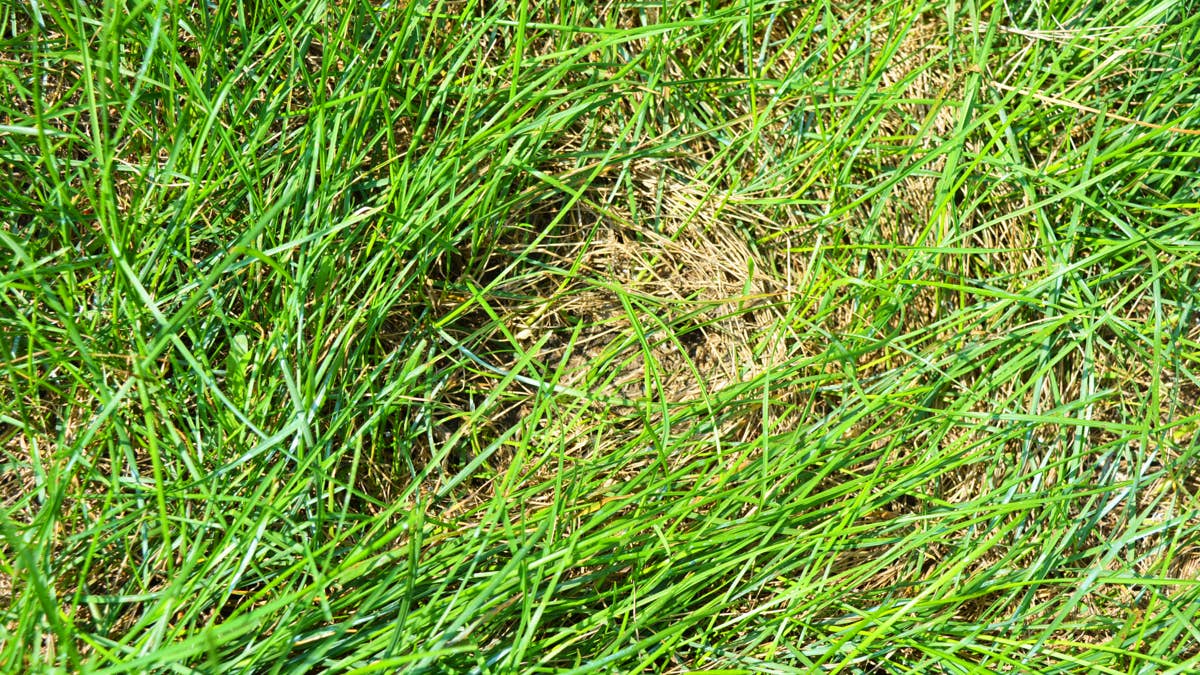
If your lawn feels spongy, struggles to absorb water, or has become patchy despite regular watering and fertilizing, excessive thatch could be the problem. Thatch is the layer of dead grass, roots, stems, and other organic material that accumulates between the soil surface and living turf. A thin layer can be beneficial, helping the soil retain moisture and moderate temperature swings. But when that layer becomes too thick, it can block water, oxygen, and nutrients from reaching the root zone.
To assess your lawn, use a garden trowel or shovel to remove a small section of turf and measure the layer between the green grass blades and the soil. If the thatch layer is thicker than half an inch, it’s a sign that dethatching or scarifying is necessary.
What’s the difference? Dethatching is useful when there’s not a lot of thatch buildup, for example, if there’s between a half-inch to an inch of thatch. Scarifying cuts deeper into the turf, allowing for removal of heavier buildup. Choosing the right tool depends on the severity of the problem, but both can improve airflow, water penetration, and nutrient uptake while creating better conditions for overseeding and fall fertilization. Rental tools are often available from many hardware and equipment rental centers.
Related: Scarifying Vs Dethatching Vs Aerating: What’s the Best Way to Prep Your Lawn for Winter?
Mulch Leaves Instead of Bagging Them
Before you spend an entire weekend stuffing leaves into waste bags, consider mulching them instead. As they decompose, leaves break down into rich organic matter that feeds the soil, essentially functioning as free fertilizer while improving moisture retention.
Note that this process should be carried out on a dry day so the leaves shred cleanly without clogging your mower. Keep your mower deck set at your normal mowing height—or lower it slightly for the final fall cut—and pass steadily over the fallen foliage. Running a mulching blade or installing a mulching plug will help chop the leaves into fine pieces that settle naturally without requiring extra raking.
The key is not allowing leaves to accumulate in thick mats. You should still be able to easily see grass blades through the layer of shredded leaves. Large piles block sunlight, trap excess moisture, and significantly increase the risk of snow mold and lawn disease over winter.
Related: How to Mulch Fallen Leaves on Your Lawn for Healthier Grass and Gardens
Snow Mold Prevention Begins Now
Snow mold happens as snow begins to melt, but prevention begins before it falls. This fungal disease causes discolored, crusty patches of matted grass, and it’s most common in humid environments.
There are two common strains: gray mold, which primarily attacks grass blades and is easier to get rid of, and pink mold, a more aggressive variety that causes damage to the plant’s blades and crown.
Prevention starts long before the first major snowfall. Because the fungus relies on trapped moisture and long, tangled turf to take hold, your fall routine directly influences whether your lawn survives winter unscathed.
Maintaining a proper final mowing height (around two to two-and-a-half inches) prevents grass blades from falling over and matting together under heavy snow packs. Clearing away thick layers of fallen leaves and dethatching thick layers of organic debris eliminates the dark, damp microclimates where fungal spores proliferate. Timing is equally critical for fertilizer: avoid applying high-nitrogen fertilizers too early in the autumn, as this forces soft, succulent top-growth that is exceptionally vulnerable to infection under snow cover. Preventative fungicides can also be applied in late autumn.
Related: Snow Mold Can Ruin Your Lawn’s Look—But It’s Easy to Prevent
Don’t Forget About Watering
Watering is largely considered a warm-weather task, but depending on where you live, you may need to engage in cold-season watering.
In colder regions where the ground freezes and snow cover is common, supplemental watering is usually unnecessary. In milder climates, however, lawns may still need occasional irrigation during prolonged dry periods. Experts recommend watering only when temperatures are above 40 degrees and the soil is actually dry.
“If conditions stay dry for several weeks and the soil is thawed enough to absorb water, a supplemental irrigation may be worthwhile,” Kopp said. “On exposed sites, south- and west-facing slopes, shallow soils, and newly established lawns, occasional winter watering can help prevent desiccation injury.”
Overwatering can be just as problematic as underwatering, creating ideal conditions for fungi and root issues.
Related: Should You Water Your Lawn in Winter? Most Homeowners Get This Wrong
Winterize Your Irrigation System
On the topic of water, it’s also important to winterize your sprinkler system. After all, you can’t get a jump on a green lawn come spring if an irrigation line bursts over winter.
Irrigation experts recommend shutting off the main water supply and purging all water from the lines before freezing temperatures arrive. Water expands by nearly 10 percent as it freezes, which generates enough pressure to split underground pipes, crack plastic valves, and shatter expensive backflow preventers.
To winterize your system properly, start by turning off the main irrigation shutoff valve (usually located in your basement, crawlspace, or outdoor valve pit) and setting your timer to “Off.” Next, open the drain valves or use an air compressor to clear the remaining water from the lines. The compressed air method is the most reliable approach in cold climates: an air compressor attached to the system blows regulated air (50 to 80 PSI) through each zone individually until only a fine mist exits the heads. Finally, don’t forget to drain and insulate your backflow preventer to protect its internal brass components from freeze damage.
“Getting a lawn ready for winter is less about piling on extra work and more about helping the turf avoid unnecessary stress,” Kopp said. By following these steps, homeowners can set their lawns up for success next season.
Related: How to Winterize a Sprinkler System So Your Pipes Don’t Burst
FAQs
If you only have time for one task, what is the most important thing to do for your lawn before winter?
For cool-season lawns, experts recommend combining late-fall fertilization with a final, slightly shorter mow to build root reserves and prevent long blades from matting under winter snow and harboring fungal diseases like snow mold. However, this late nitrogen feeding should be strictly avoided on warm-season grasses like Bermudagrass, as it encourages tender growth vulnerable to freeze damage. If leaf cover is heavy, clearing or mulching fallen leaves takes priority over everything else to keep the lawn from suffocating over winter.
Can leaves remain on your lawn during winter?
While a light scattering of whole leaves won’t harm your grass, leaving a thick, unmulched layer on your lawn over the winter will cause significant damage. Mulching them, which includes chopping them up and spreading them thinly, is recommended.
When should you stop mowing your lawn?
Most cool-season grasses stop growing when daytime temperatures consistently stay around 50°F. Frost, slow growth, and dormancy are all signs the final mow is approaching.
Should you water your lawn before winter?
Yes, giving your lawn one last deep soak in late fall before the ground freezes helps protect dormant roots from winter dehydration. Routine watering can stop once soil freezes or regular rain and snow take over, though dry, snowless regions may still need occasional winter watering on warm midday hours.
Is aeration really worth it?
Yes. Aeration relieves soil compaction, improves root access to oxygen and nutrients, and creates ideal conditions for overseeding. Experts consider it one of the most effective fall lawn-care practices.
Do you really need to apply winter fertilizer?
For cool-season lawns, yes—late-fall fertilization helps grass store carbohydrate reserves in its roots to recover from summer stress and trigger a greener spring turn-around. However, this application should be strictly avoided on warm-season grasses like Bermudagrass, as late-season nitrogen encourages tender growth that gets severely damaged by winter freezes.