A major shift in winter weather across the western United States is predicted, with six states positioned for frequent mountain snowstorms that could make travel difficult during the 2026–27 ski season.
According to AccuWeather’s October 30 forecast, Colorado, New Mexico, Utah, Arizona, California, and Nevada have the strongest prospects for favorable ski conditions. But the same storms building deep mountain snowpacks could create hazardous travel conditions for drivers heading into higher elevations.
Related: New Winter Storm Could Dump 6+ Inches of Snow Across Western US Ahead of Halloween Weekend
Related: New Winter Storm Could Dump 14 Inches of Snow Across Western US Before Halloween
Related: October Snow Brings Early Start to US Ski Season, but There’s a Catch
Six Western States Face a Major Snowfall Shift
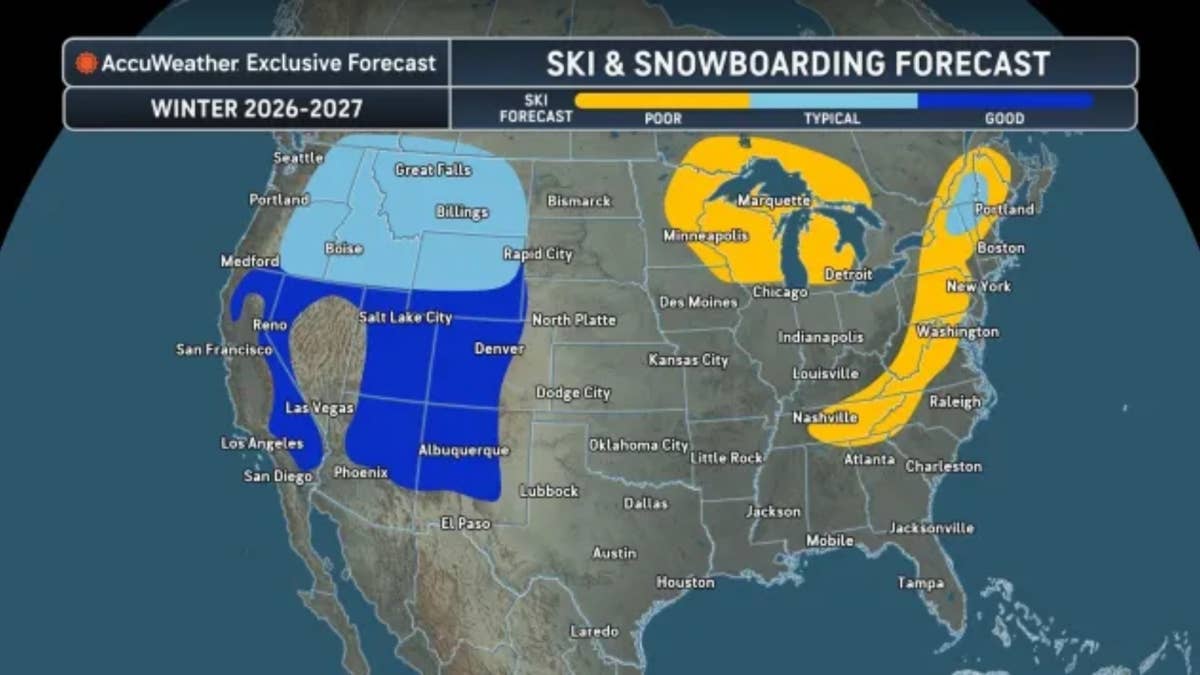
El Niño is expected to influence the nation’s winter storm track, potentially delivering more frequent snowfall across the Sierra Nevada and central and southern Rockies.
The contrast with last winter could be dramatic. Salt Lake City recorded just 3.7 inches of snow last season, its lowest seasonal total since records began in the 1880s.
AccuWeather now projects 50 to 65 inches for the upcoming winter.
The outlook is less encouraging farther north.
“The storm track across the Northwest will be a bit inconsistent, so likely periods of snow and cold followed by several weeks with dry and warmer conditions,” AccuWeather long-range expert Paul Pastelok explained.
“The best chance for consistent snow would be December to early January.”
Related: Map Shows US States Bracing for Major Winter Storms
Related: Farmers’ Almanac Reveals Where Skiers Could Find the Most Snow This Winter
Heavy Snow Could Create a Dangerous Travel Catch
For travelers, more snowfall isn’t necessarily good news.
AccuWeather warns that major storms could occasionally complicate access to mountain resorts, particularly when heavy precipitation affects mountain roads and passes.
Elevation will matter. Warmer air could turn snow into rain at lower resorts, while higher mountains continue accumulating snow.
That uncertainty extends eastward, where prolonged warmth threatens natural snowfall and snowmaking operations.
“Temperatures much above average in December and lack of snow could only allow a few trails to be open,” Pastelok warned about the Northeast.
“Many storms with ice and rain will keep conditions rather sloppy on the slopes with more bare spots than usual,” he added.
Related: El Niño Snow Map Shows US States Facing Biggest Winter Shift
Related: Federal Weather Forecast Reveals a Warm Fall Could Give Way to a ‘Very Strong’ El Niño Winter
What Travelers Should Watch This Winter
The seasonal forecast identifies favored snowfall regions, not the timing or intensity of individual storms.
Anyone planning a winter mountain trip should monitor updated National Weather Service forecasts, road restrictions, and resort conditions before departure.
The takeaway: Six Western states could enjoy a substantial snowfall rebound, but the biggest powder days may also bring the toughest mountain travel.
Related: 1,140 Inches of Snow Wasn’t Enough to Win This Ranking of the Snowiest Winters
Related: Rare ‘Super’ El Niño Could Rank Among the Strongest Since 1950