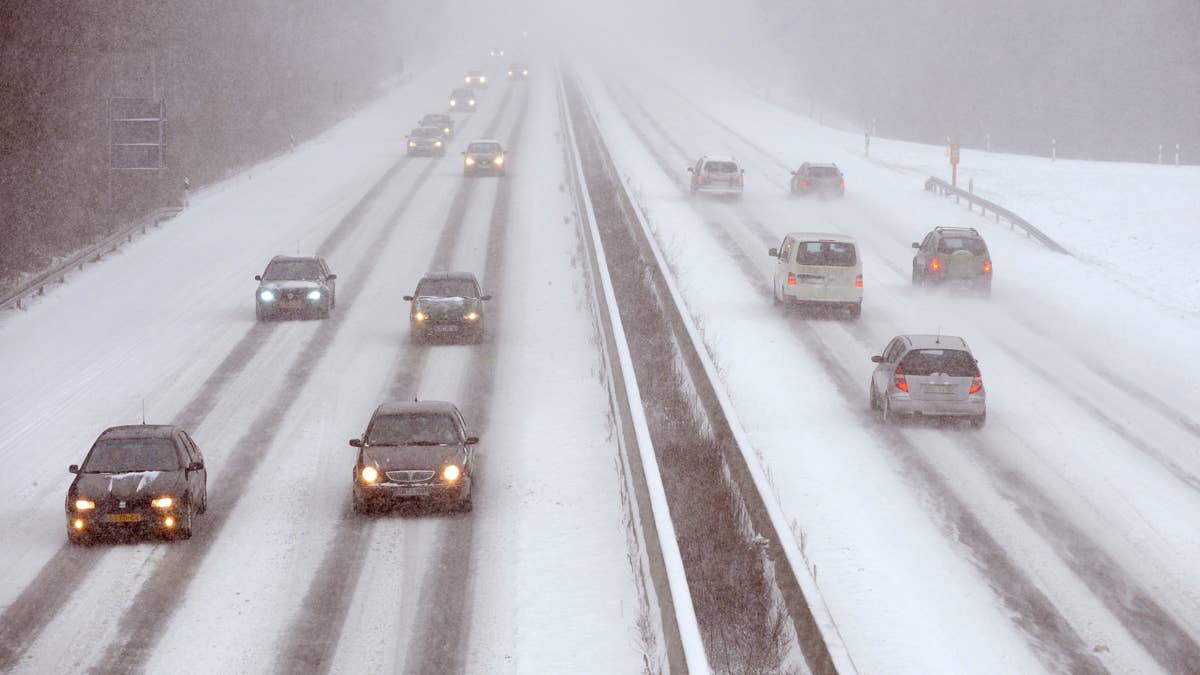
A second winter storm is expected to bring up to 14 inches of snow to parts of the western United States before Halloween, with Washington, Oregon, Idaho, and Montana among the states facing a significant early-season change.
According to OpenSnow meteorologist Alan Smith, the stronger storm arrives Tuesday night, October 27, bringing heavy mountain snow and colder temperatures that could push the snow line down to several ski resort bases.
The forecast calls for 6 to 14 inches across favored ski resorts in the Cascades, British Columbia, and Northern Rockies over five days, rather than across entire states.
Related: Winter Storm Hits 7 US States Monday as Up to 16 Inches of Snow, 55 MPH Winds Loom
Four Western States Face Another Round of Snow
The second storm is expected to move through Washington’s Cascades and northern Oregon on Wednesday, October 28, while heavier snowfall develops farther inland.
OpenSnow specifically identifies Schweitzer Mountain in Idaho and Whitefish Mountain Resort in Montana among the areas positioned for accumulating snow.
Smith describes the incoming system as “stronger and slower-moving,” with “heavy snow developing across British Columbia and the Washington Cascades on Tuesday night.”
The important distinction is elevation. Mountain resorts could receive substantial accumulation while nearby lower-elevation communities experience rain or considerably less snow.
Related: New Forecast Shows US States Where Another Snow Storm Could Hit This Week
Halloween Weekend Could Bring Another Snow Surprise
The Northwest isn’t the only region facing a change.
OpenSnow expects the storm track to shift toward California and the Southwest beginning Friday, October 30, with another system potentially bringing mountain snow to the Sierra Nevada and Southern and Central Rockies.
The extended outlook highlights “above-average precipitation, colder temperatures, and mountain snowfall” from Halloween into early November.
Meanwhile, Central and Eastern North America are expected to remain comparatively warmer and drier.
For skiers, the developing pattern offers an encouraging early-season signal, although snowfall does not necessarily mean resorts are ready to open.
Travelers heading into mountain passes should monitor local forecasts as temperatures fall and precipitation changes from rain to snow.
Related: Rare ‘Super’ El Niño Could Rank Among the Strongest Since 1950
Related: Dentist Reveals the Halloween Candies That Can Hurt Your Teeth More Than Chocolate