Peter Gent caught passes for the Dallas Cowboys before writing the novel North Dallas Forty. Nick Nolte starred as aging receiver Phil Elliott in the 1979 adaptation, directed by Ted Kotcheff.
Time Out ranks it No. 14 among its 50 best sports movies. No other football film on the list, updated in May 2026, places higher.
Joshua Rothkopf gave the film a glowing recommendation in his write-up:
“The mightiest of football movies enters the world of pro athletics through the beer-and-drug-laced locker room, the debauched lifestyle and endless partying. Intended as a satirical comedy, the darker truth of the circus surrounding the game lingers, as does a terrific Nick Nolte performance as a hero past his prime.”
Critic Roger Ebert shared similar sentiments and gave it 3.5 out of 4 stars.
“The football scenes are brutally real; the locker room scenes are totally authentic,” he wrote.
As great as the film turned out to be, the NFL refused to have anything to do with it.
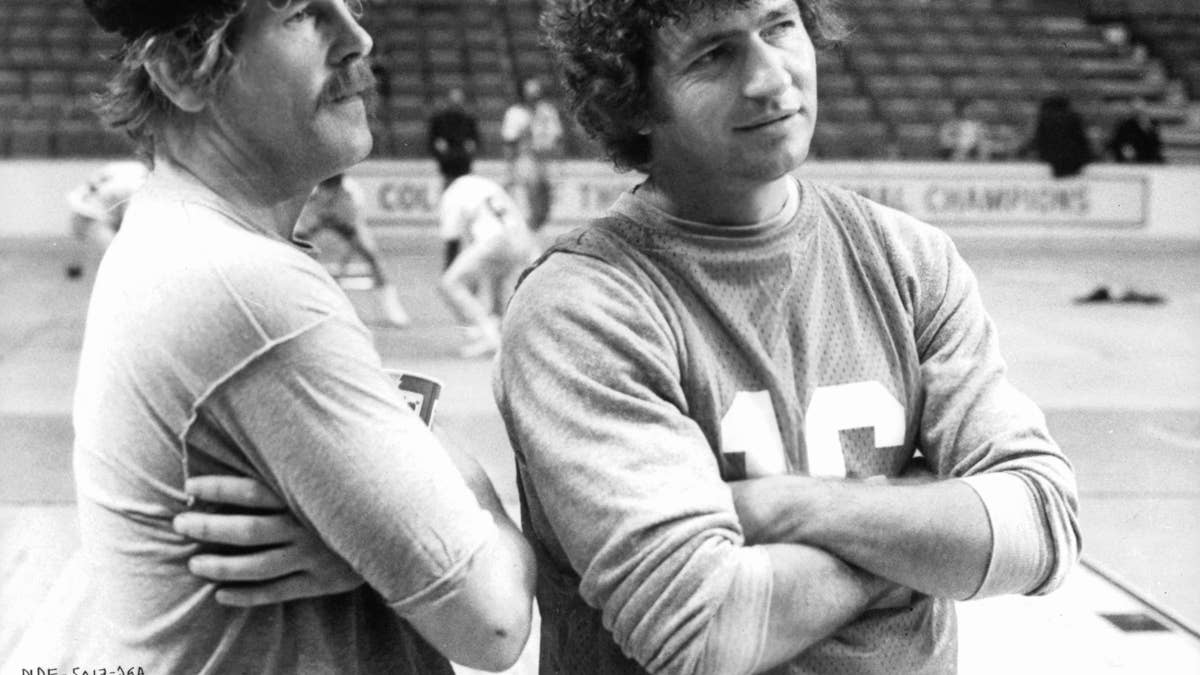
Why the NFL Wanted Nothing to Do With North Dallas Forty
Gent’s novel drew on his years with the Cowboys, the loose model for the film’s North Dallas Bulls. Rotten Tomatoes’ synopsis suggests the movie may have been “too near the truth for comfort.”
Cowboys players Harvey Martin and Thomas Henderson turned down roles, per the AFI Catalog. Producer Frank Yablans suspected the team pressured them to stay away.
Actor Bo Svenson described the issues they faced while shooting the film in a 2020 Boston Globe interview.
“We were scheduled to shoot in New Orleans, and we got kicked out of New Orleans.” he revealed.
“Well, first we got kicked out of Dallas, then New Orleans, then Denver. We started filming in Long Beach at the Rams’ training site. Got kicked out of there. Went to the Los Angeles Coliseum. Got kicked out of there. Filmed at UCLA and were asked to leave there. Ended up making much of the movie at East LA College.”
Nolte later reflected on the experience, per Ultimate Classic Rock.
“Making North Dallas Forty was both a nightmare and a dream,” he wrote. “In my experience, sometimes these things are either luck or karma, and other times you must make change happen – remaining true to your own instincts, taking your own advice, and forging ahead to achieve what you believe is important.
“… You can imagine how sweet it felt when the film was a financial success and a critical one as well. It was my film; I’d fought for it and bled for it and given it my all.”
The film opened a month before the 1979 NFL season. It grossed $26.1 million domestically, per Box Office Mojo.
Related: A 1984 Wes Craven Nightmare Still Holds a 93% Rotten Tomatoes Score 42 Years Later