Stargazers will get another chance this week to see shooting stars streaking across the night sky as the Orionid meteor shower puts on a show. The shower peaks on the night of October 21 and into the early hours of October 22, but there’s a catch: clouds and rain could spoil the view in parts of the country.
However, the good news is that many areas of the central and eastern United States should be clear early Thursday morning. But in some parts of the West and Northeast, it might be harder to catch the show.
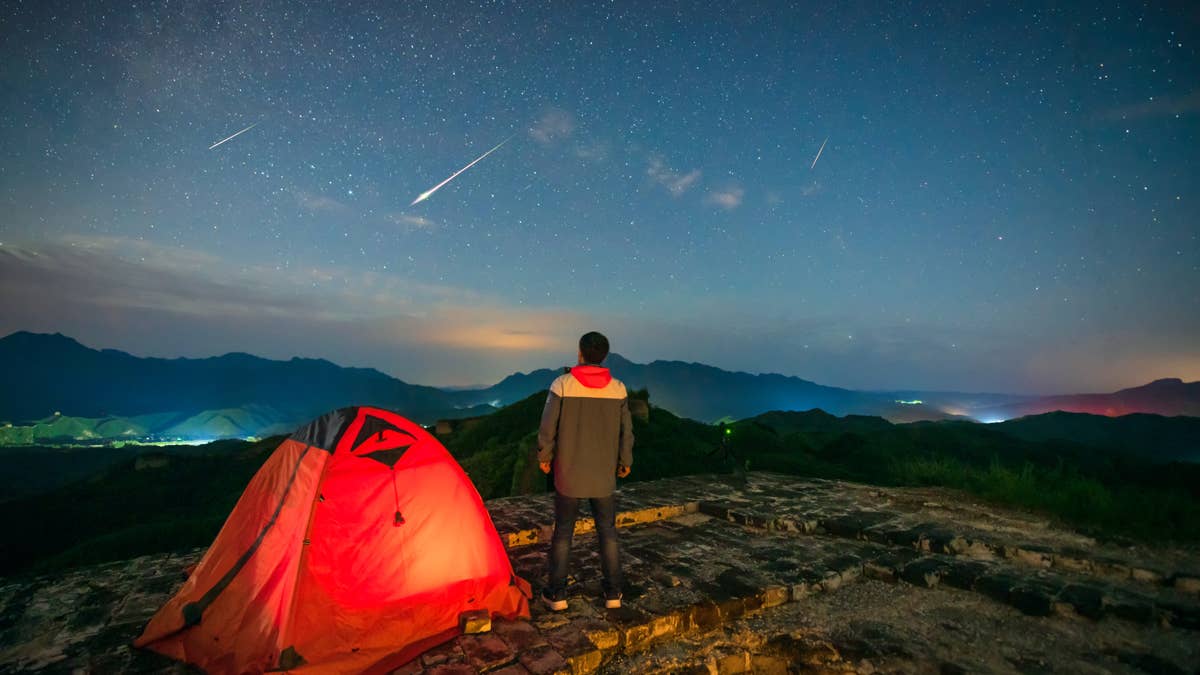
Where You’ll Have the Best Chance of Seeing the Orionids
The Orionids are famous for their bright meteors and high speeds. The meteors travel at speeds of about 41 miles per second and sometimes leave luminous trails that last several seconds. The shower is caused by debris from Halley’s Comet, which Earth passes through every year.
To see the show, go outside after midnight and stay until dawn. Find a dark place away from city lights. Get comfortable, either in a lawn chair or under a blanket, and allow your eyes to adjust to the darkness for about 30 minutes. No telescope or binoculars needed — your naked eye is the best way to see as much of the sky as possible.
Weather, however, could throw a wrench in plans in a few areas. There may be some thicker clouds over some of the Four Corners area. California, Oregon and Washington may have some patchy skies too. Parts of the West are facing threats of rain and storms, with flood worries extending from California to the Southwest.
The East Coast has its own potential trouble. A developing offshore nor’easter could send clouds into the area later this week, especially around New York City and parts of New England. Forecasts can still change, so it’s a good idea to check local conditions before you head out.
Even if your area seems clear, conditions can change overnight. Find a dark place with an open sky, dress for the cold, and give yourself plenty of time. The Orionids can be worth the late night if the clouds cooperate.