A wearable blood sugar monitor may help people with type 2 diabetes even when they don’t need insulin. In a newly published clinical trial, adults using the Dexcom G7 achieved significantly better blood sugar control than those receiving routine care.
The surprising finding: Participants wearing the device spent approximately five additional hours each day within their target blood sugar range. The study, published October 14 in The New England Journal of Medicine, suggests continuous glucose monitoring could benefit a much larger group of patients than previously established.
Next: Type 2 Diabetes Went Into Remission for 54% of Patients After Making 2 Changes
Why the Results Surprised Researchers
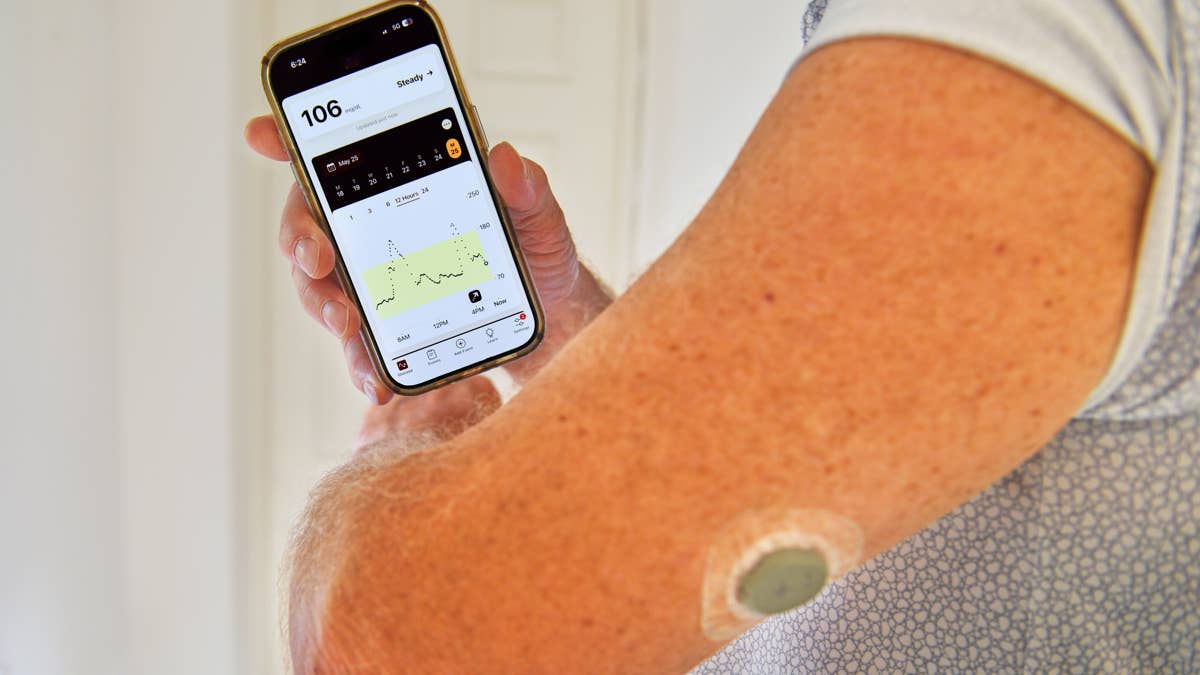
The 26-week CONNECT trial followed 283 adults with type 2 diabetes who weren’t using insulin. Researchers randomly assigned participants to continuous glucose monitoring or routine care across 22 U.S. primary care practices.
The difference was substantial. Average A1C, a measure of blood sugar over roughly three months, dropped from 8.8% to 7.2% among monitor users. The routine-care group improved from 8.7% to 8.0%.
The adjusted difference between groups was 0.9 percentage points, a statistically significant improvement.
Study senior author Roy W. Beck, MD, PhD, said the findings support considering glucose monitoring earlier in diabetes management, before insulin becomes necessary.
Related: Stanford Nutrition Scientist Says Healthy Eating Comes Down to One Simple Rule
Next: Your Blood Sugar Can Look Normal While This Diabetes Warning Sign Appears
The Benefit Goes Beyond a Blood Sugar Reading
Continuous glucose monitors use a small sensor beneath the skin to measure glucose levels throughout the day, allowing users to observe changes after meals, exercise, and other daily activities.
Unlike occasional finger-stick testing, the devices reveal patterns that might otherwise go unnoticed.
The Dexcom-funded study also reported that 97% of participants assigned to monitoring were still using the technology after 26 weeks, most daily.
However, the trial lasted only six months. It did not establish whether the improvements would persist for years or reduce long-term complications.
Next: Popular ‘Healthy’ Breakfast Has a Surprising Blood Sugar Catch, Research Shows
Should You Wear a Glucose Monitor?
For adults managing type 2 diabetes without insulin, the findings provide a reason to discuss continuous monitoring with their healthcare professional.
A monitor doesn’t replace medication, nutritious eating, or regular exercise. But understanding how blood sugar changes throughout the day could make treatment decisions more informed.
The takeaway: Better diabetes management may begin with seeing what ordinary testing misses.
Next: The Simple Eating Tweaks That Can Instantly Steady Your Energy
Related: Common Blood Pressure Drug Burns More Calories, but There’s a Catch