You’ve become one of Canada’s most recognized feature dancers. Looking back, what first drew you to the stage, and when did you realize this could become a career? I’ve always loved performing and the energy that comes with being on stage. There’s something about connecting with an audience and being able to express yourself through movement that I was naturally drawn to. As I started performing more, competing, travelling, and getting bigger opportunities, I realized this was something I could really build a career around. It became much more than performing. It became a huge part of my life and who I am.
You’ve performed for audiences of every size, including sharing the stage during Snoop Dogg concerts. Is there one performance that stands out as a defining moment in your career? Performing on stage during Snoop Dogg concerts definitely stands out. There’s an entirely different energy when you’re in front of a huge concert crowd, and being part of a show at that level was an incredible experience. I’ve had so many memorable performances throughout my career, though, and sometimes the smaller moments can be just as meaningful. Every stage and every audience brings something different.
Every performer develops their own signature style. How would you describe yours, and how has it evolved over the years? I’d describe my style as bold, unpredictable, and very driven by the music. While a lot of performers work with fully choreographed routines, I love to freestyle. Being able to respond to the music and the energy of the room in the moment keeps performing exciting for me. It also means that even when I’ve performed to a song before, the audience may not see exactly the same show twice. Music is a huge part of my style. I’m drawn to rock and alternative music, especially iconic artists and songs that have stood the test of time. When you perform to music with that much personality, it gives you so much to work with on stage. I also love creating performances that people don’t expect. Sometimes that means something glamorous or dramatic, and other times I’ll take it somewhere completely different. I’ve performed in a giant banana costume with basically just my face and hands sticking out, dancing to a ridiculous banana song. I’ve done a Star Wars performance as Darth Vader while controlling four life-sized Stormtrooper marionettes, and I have a Scorpio costume that actually lights up. I think that variety has become a big part of who I am as a performer. I don’t feel like every performance has to fit one image of what a feature dancer is supposed to be. I can be sexy, powerful, theatrical, funny, or completely over-the-top. Ultimately, I want to entertain people and give them something they’ll remember.
What’s one goal you haven’t accomplished yet that you’re determined to achieve? At this point in my career, I’m excited not only about what I can accomplish as a performer, but about what I can create for other performers. Building my competitions and seeing other dancers have their moment on stage has given me a different kind of motivation. I want to continue growing those opportunities and creating events that performers are genuinely excited and proud to be part of. At the same time, I never want to stop challenging myself personally. There are always bigger stages, new experiences, and new goals to work toward. I think that drive is part of what has kept me doing this for so long.
You’ve spent years performing in an industry where confidence is part of the job. Has being on stage changed the way you see yourself offstage? Absolutely. Performing teaches you a lot about confidence because eventually you learn that confidence isn’t about thinking you’re perfect. It’s being able to walk onto a stage knowing that you’ve prepared, trust yourself, and own whatever happens next. Being a dancer has made me much more comfortable expressing myself and taking risks. You’re constantly putting yourself in situations where people are watching and judging what you do, especially when you compete. That can either make you very self-conscious or teach you to stop worrying so much about everyone else’s opinion. For me, it’s been the latter. I think there’s something really empowering about learning what your body is capable of too. Pole requires an incredible amount of strength and control, and mastering something that once seemed impossible gives you confidence that carries over into other areas of your life.
Many people underestimate the discipline involved in what you do. What do you wish more people understood about feature dancing as a profession? I wish more people understood just how much skill and dedication it takes. Pole combines strength, flexibility, dance, musicality, creativity, and performance. Some of the moves that look effortless on stage can take months or even years to master. Feature dancers also have to know how to command a stage and entertain an audience. There’s a lot happening behind the scenes that people never see.
Your performances have earned national recognition. What do those awards mean to you, and how have they influenced your career? Winning national awards has been incredibly rewarding because they represent years of training, performing, and pushing myself to become better. When you compete, you’re putting your work in front of judges and taking a risk, so having that work recognized means a lot. The awards have also opened doors for me professionally and helped me establish myself within the industry, but I think they’ve motivated me to keep evolving rather than feeling like I’ve already reached the finish line.
You’ve evolved from competitor and performer to organizer by launching competitions for other pole dancers. What inspired you to create opportunities for other artists? After spending so many years as a performer and competitor myself, I wanted to create the kind of competition that I would want to participate in. I know how much work competitors put into preparing for that one moment on stage, and I think that deserves to be taken seriously.For me, it’s important to create an environment where dancers know they’re being judged on their performance, presence, talent, and execution. Maintaining strong standards, fairness, and respect for the competitors is extremely important to me. They’re putting themselves out there and giving everything they have on that stage, so I want the competition itself to reflect that same level of care and professionalism.
As a competition organizer, what qualities are you looking for in a standout performance? I’m looking for someone who makes you want to keep watching. Technical ability is important, of course, but a great performance is about more than executing difficult tricks. I look at stage presence, musicality, originality, transitions, confidence, and how well everything works together.The strongest performers have a way of making the audience feel something. You can tell when someone has really thought about their performance from beginning to end rather than simply putting together a series of impressive moves.
Pole has continued to grow in popularity around the world. Where do you see the industry heading over the next five to ten years? I think we’re going to continue seeing pole reach much larger audiences and gain more recognition for the level of athleticism and artistry involved. There are so many different styles within pole, and I love that performers can bring their own personalities and backgrounds into it.I also hope that as the industry grows, we continue respecting the performers and communities that helped build pole culture in the first place. Growth is exciting, but preserving that history and allowing performers to express themselves authentically is important too.
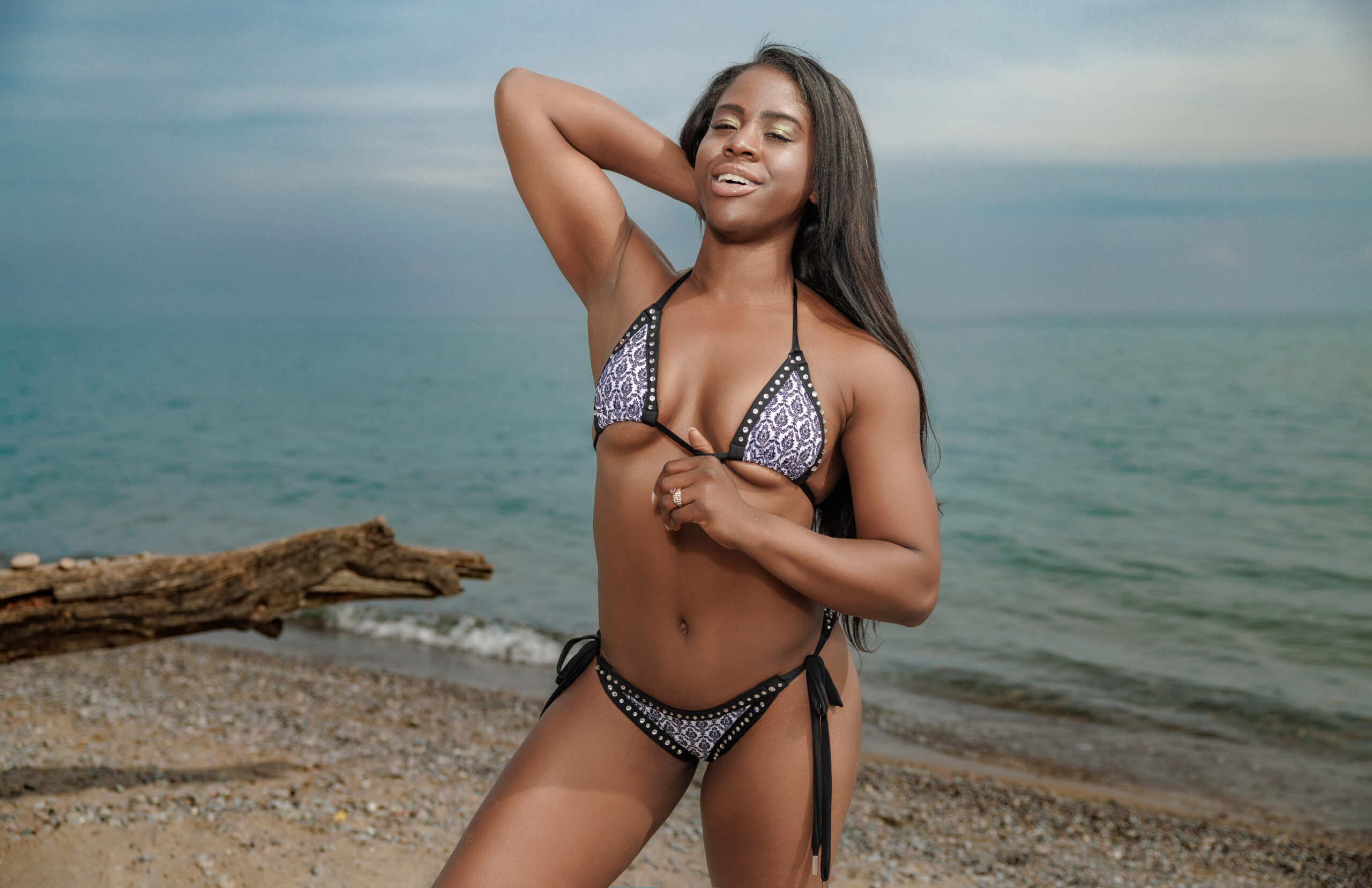
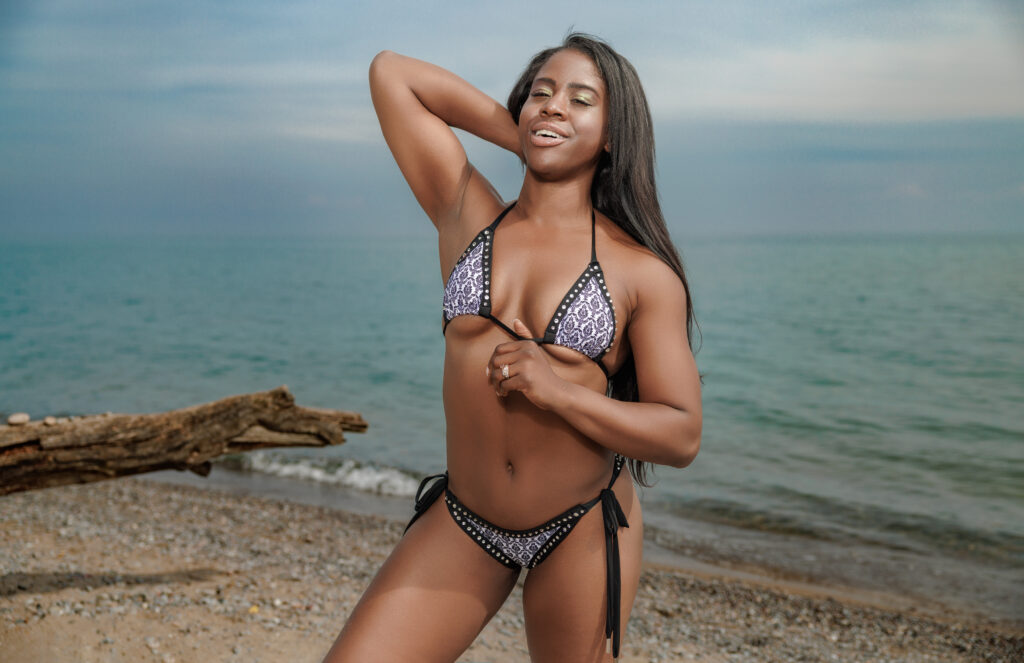
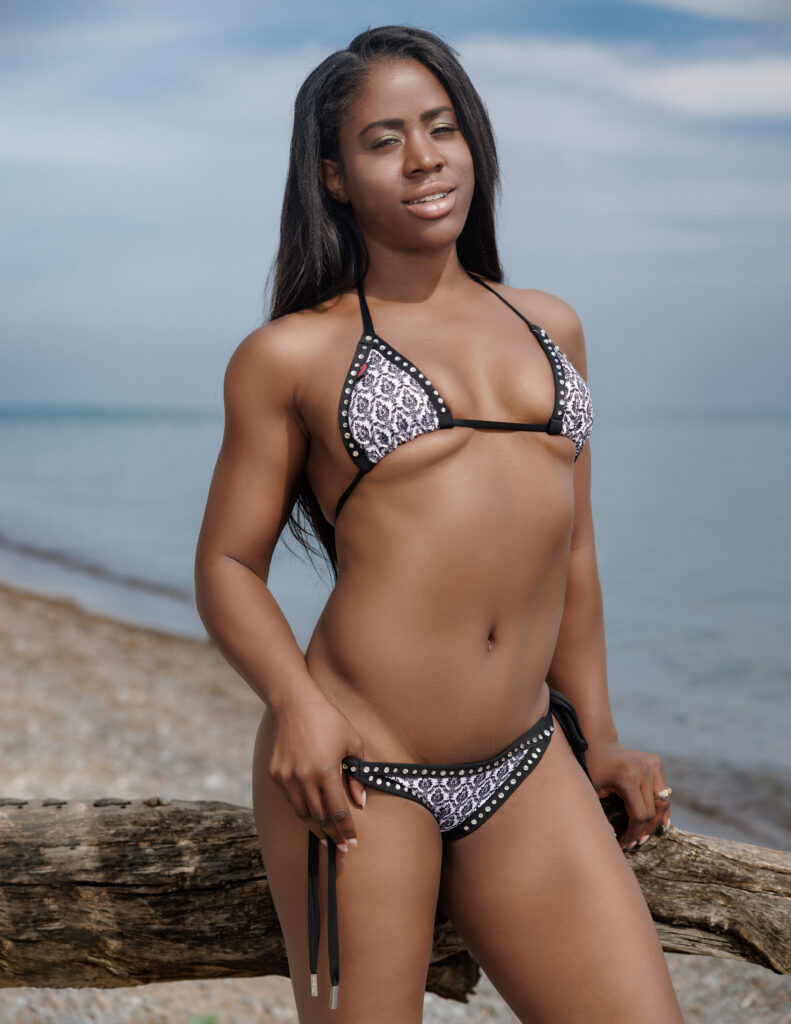
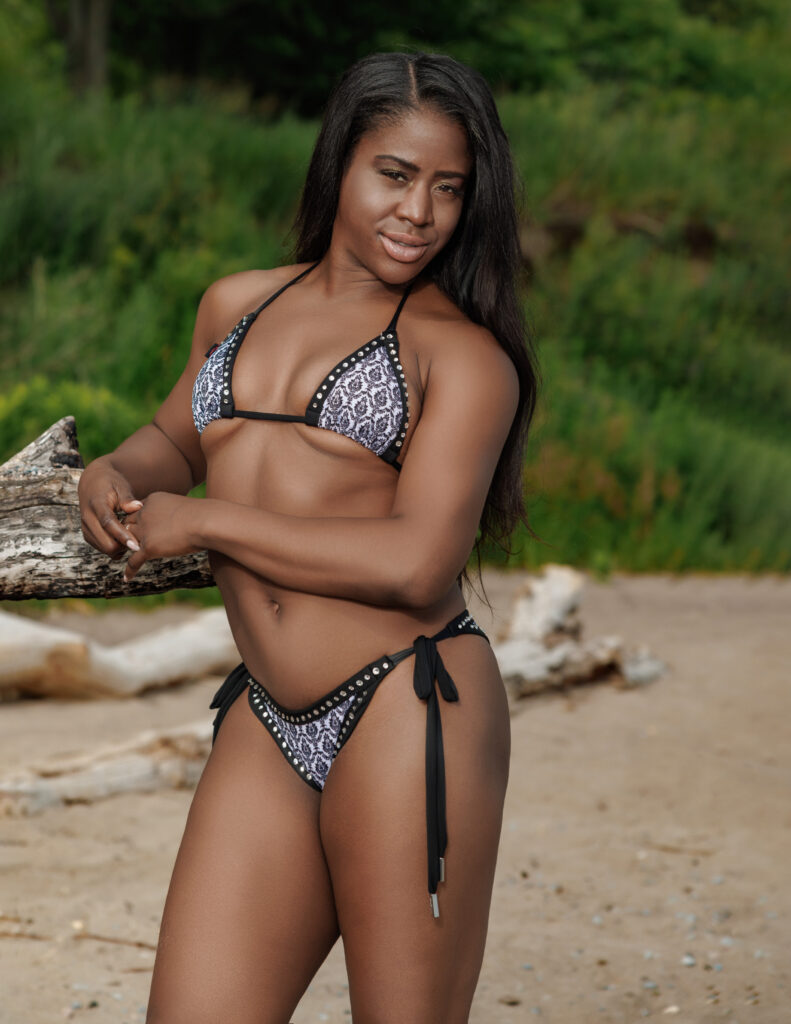
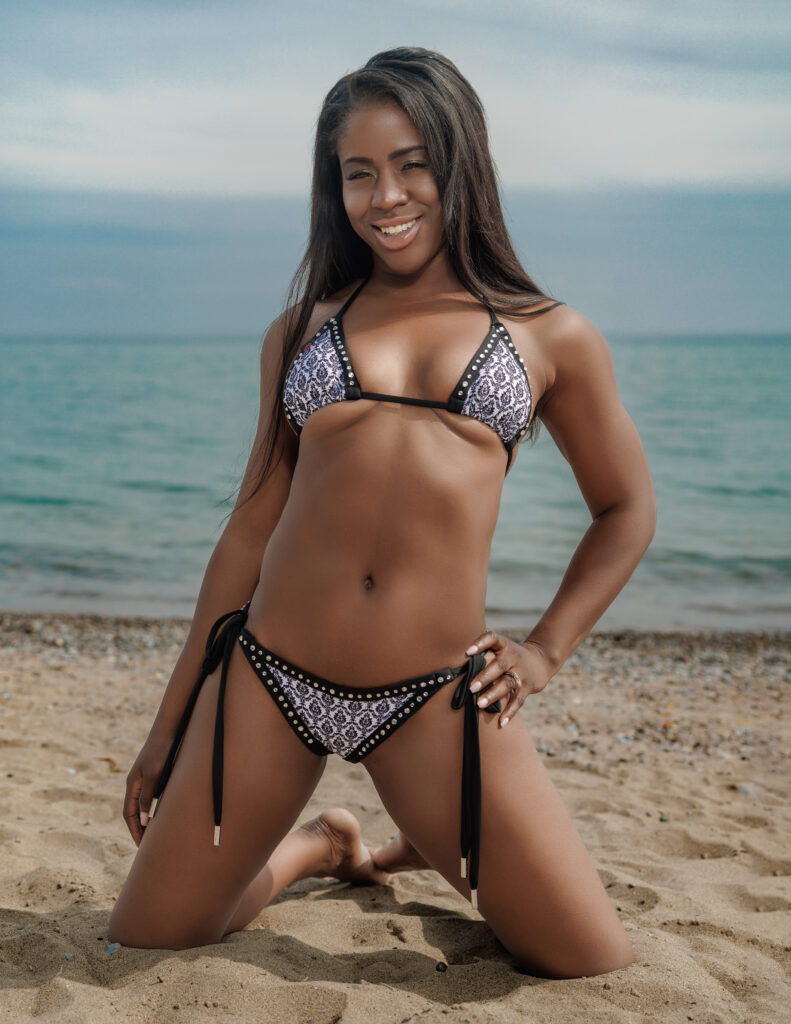
Since this shoot took us to the beach, where is your favourite place to escape and recharge when you’re not on stage? I love being somewhere that lets me completely switch gears from performing. The beach is perfect for that because there’s something about being near the water that immediately feels like an escape. Give me sunshine, good company, something great to eat or drink, and nowhere I need to be for a while, and I’m happy.
If someone sees you perform for the first time, what do you hope they walk away remembering? I want them to remember how the performance made them feel. Of course I want people to be impressed by the tricks and the technical side of what I do, but I think the performances you really remember are the ones where the performer has a presence you can’t look away from.I want people to see confidence, personality, strength, and femininity all at once and leave feeling like they didn’t just watch someone perform tricks on a pole. They watched a show.
Frank Capra’s political classic debuted in Washington on October 17, 1939, before its wider U.S. release two days later. Its legendary filibuster helped establish James […]
Some Foamposites are all about color. The “Competitor Jet” is truly regarding the covering itself. The camouflage transforms that shaped surface right into the main […]