“If you need to build ad hoc perception designs for every such job and personification, that simply doesn’t scale,” Kapil Katyal , an elderly applied science supervisor at Amazon Robotics, claimed throughout a presentation gone to by Ars at the Smart Robots & & Solution seminar kept in Pittsburgh on September 29
“So one of the initiatives we used up in our group was to develop a foundation design which can benefit any brand-new embodiment of robotics that we release, and throughout all of the perception tasks that we need to perform over those,” Katyal stated.
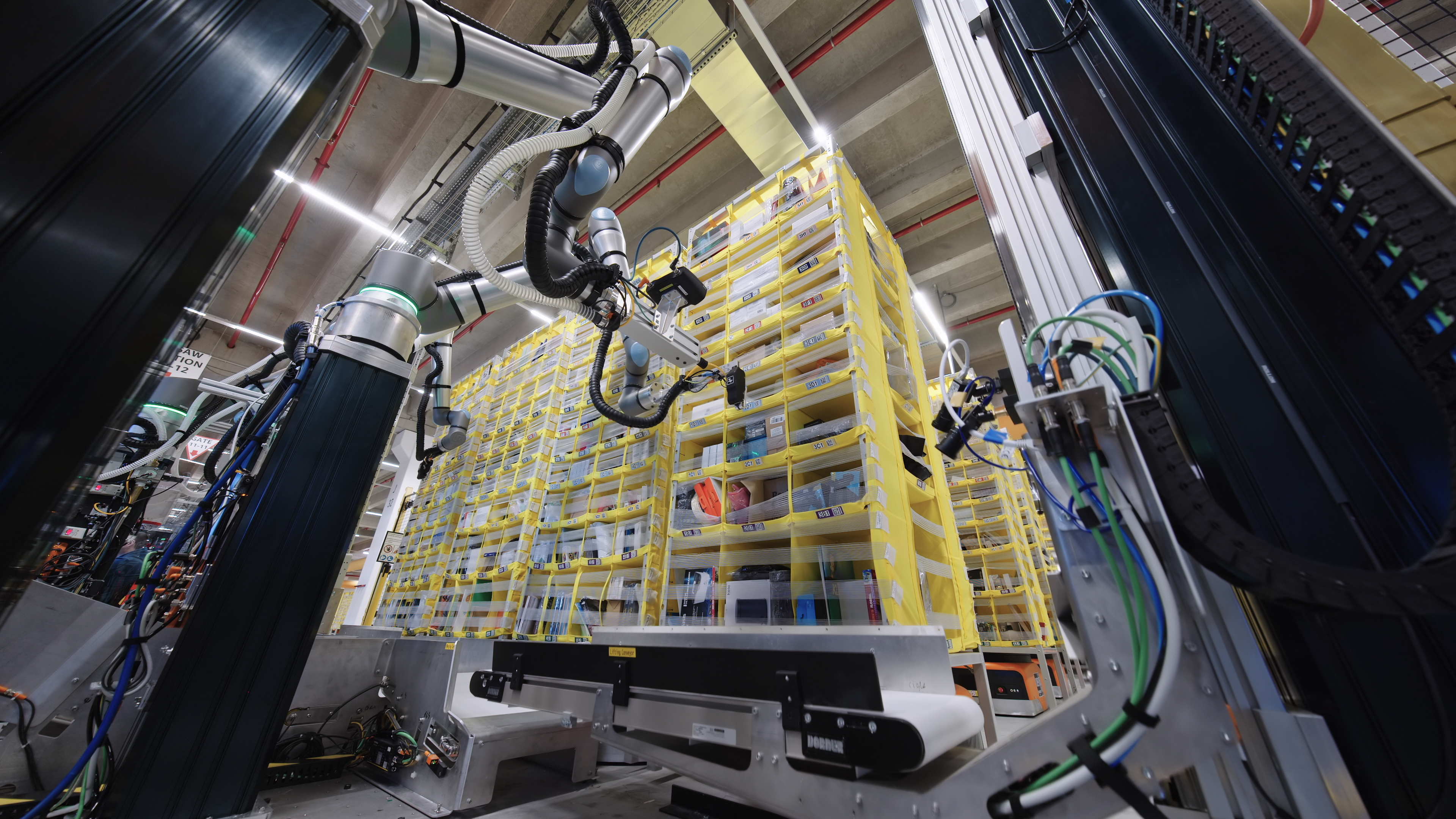
The majority of the robot arms have actually relied mostly on vision. However Amazon’s latest robot arm, Vulcan , is the initial to integrate vision with pressure feedback sensors capable of giving a feeling of touch. This makes it possible for the robotic to properly pick out or stow away products within the fabric-covered inventory pods.
“You require to be able to insert a thing, produce space, or draw something out,” Dresser said. “Those are really difficult points to do with typical non-touch-based systems today, like the suction-based systems that are part of Sparrow.”
Vulcan at first began running at Amazon satisfaction facilities in Spokane, Washington, and Hamburg, Germany, beginning in 2025 It is not commonly released yet, yet Cabinet stated the firm expects to scale up use this robotic arm in 2027
Credit score:
Analyzing the human influence
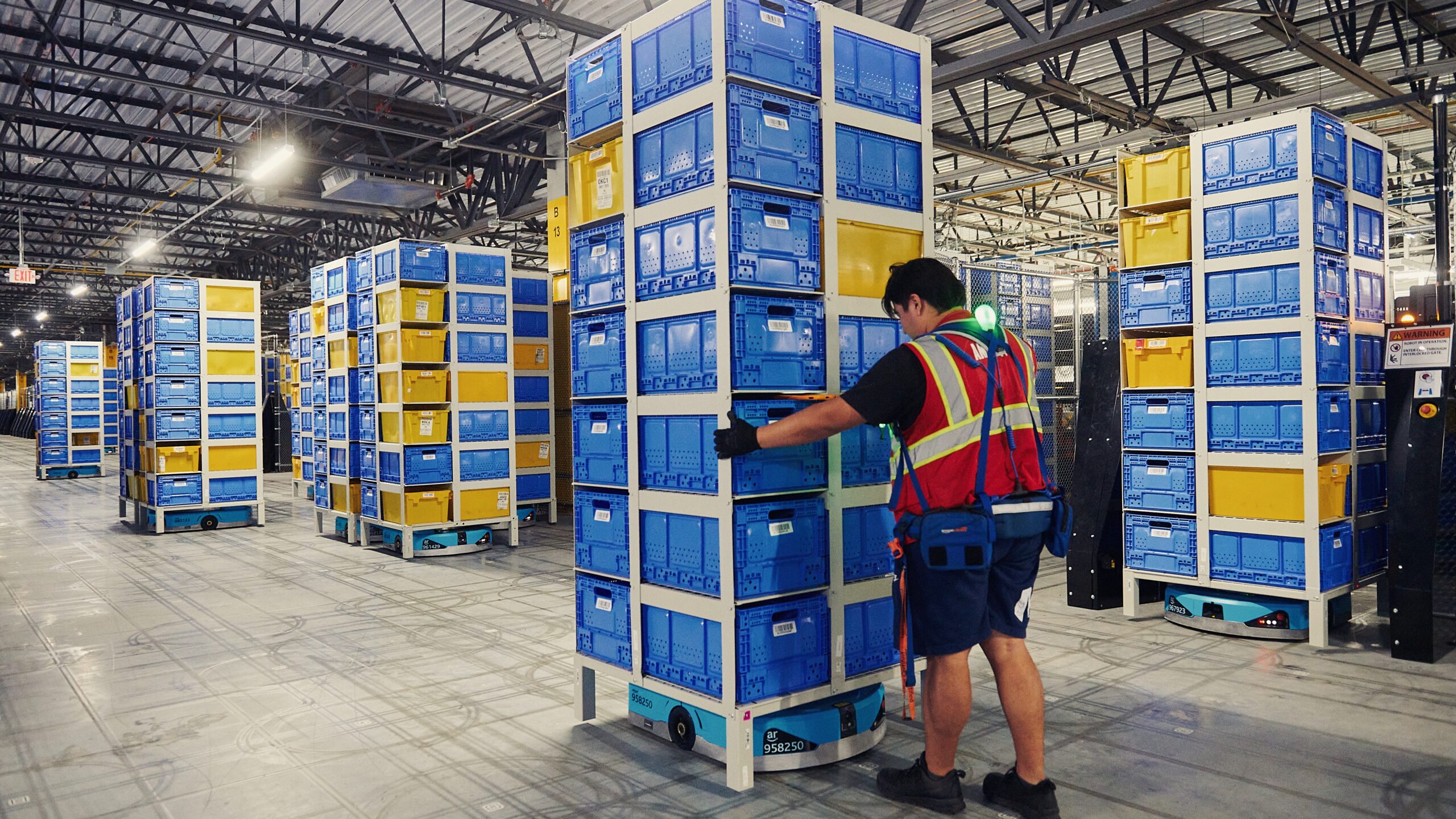
Each new robotic has profited Amazon’s human labor force, according to the firm. As an example, Vulcan concentrates on choosing and storing items found in the leading rows of stock shucks that would or else call for a person to make use of a step-ladder, together with handling items located just over the flooring. That enables workers to concentrate on picking and storing things that are within more comfortable reach.
But examinations by labor advocacy groups, journalists, and the United States Congress have actually repainted a less glowing picture of Amazon’s automation drive throughout the years. The Strategic Organizing Facility (SOC), a coalition of trade unions headquartered in Washington, DC, released reports in May 2021 and April 2022 showing greater injury prices at Amazon’s robot warehouses contrasted to non-robotic storage facilities. That analysis made use of injury information reported by business to the US federal government from 2017 with 2020