“With respect to Artemis IV, however, we’ve got a large number of firsts that reduce the likelihood of mission success,” Precourt said. “We need to keep our eyes on numerous required fuelings for the lander. I think the last estimate is around 22 flights.”
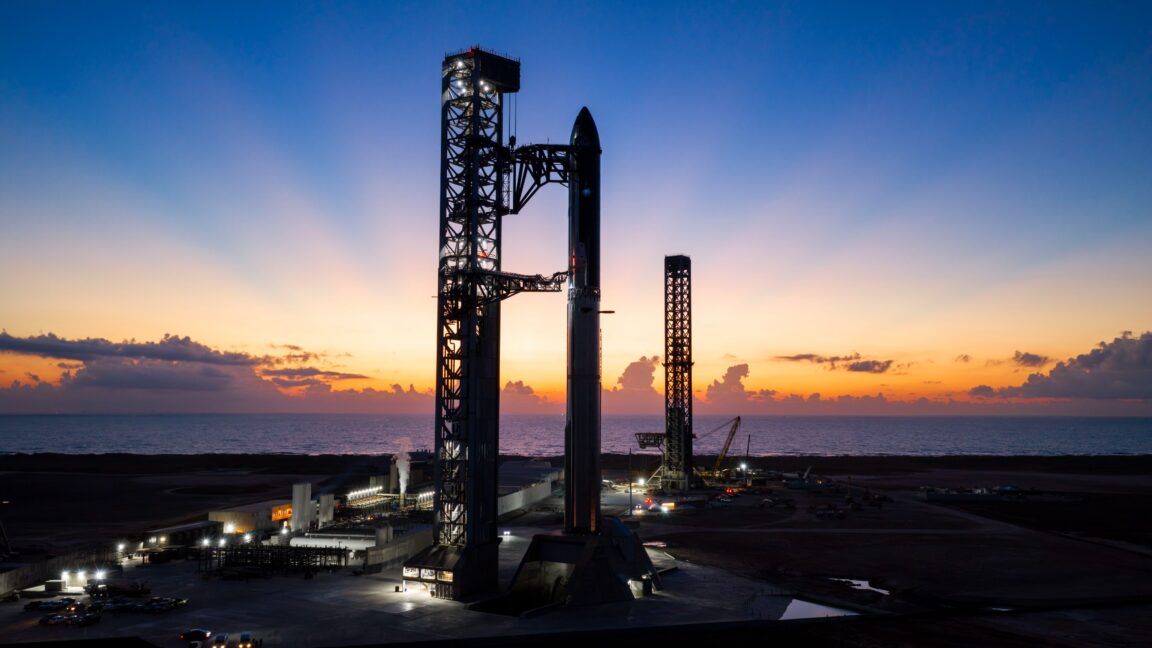
Precourt did not name Starship, but he could only be referring to the SpaceX vehicle. NASA’s other lunar lander for human missions, Blue Origin’s Blue Moon, will not be using orbital refueling as part of its initial mission design. The safety panel almost certainly would have obtained this estimated number of refuelings, 22, from discussions with NASA officials as part of its deliberations during quarterly meetings.
After I posted Precourt’s estimate on the social media site X, SpaceX founder Elon Musk replied that NASA’s safety panel estimate was not accurate. “That’s way too high,” Musk said. “Actual number will be more like 6 to 8.”
Seeking to bring down barriers
To be fair to NASA and SpaceX, there remains a lot of uncertainty in how much cryogenic methane and liquid oxygen will boil off in orbit and how efficient the process of transferring propellants from one ship to another will be. But NASA can take the current performance of the lift capacity of Starship and determine the mass of propellant needed to support a lunar landing. For now, the space agency’s answer to the Starship question appears to be something on the order of two dozen Starship launches.
SpaceX, of course, is working hard to increase the flight rate of Starship. But even if SpaceX achieves “twice weekly” launches by the end of 2027, the company would still need about three months to fuel a depot for a Starship landing.
Precourt said the problem is a challenging one for NASA, and he praised the space agency chief, Jared Isaacman, and his team for trying to find ways to help SpaceX and Blue Origin be successful in their development of landers. NASA is still working toward a human lunar landing in 2028.
“With respect to schedule, I personally really appreciate the focus the administrator and the leadership team is putting on how to press schedule by bringing in resources to enable it to look for places where there are barriers,” he said.