Frequently asked questions
How does dermaplaning work?
Simply put: Dermaplaning is an at-home exfoliating treatment that removes both hair and dead skin from the surface of the face. Its effectiveness relies on the technique used and whether or not it’s suitable for your skin, as dermaplaning can cause irritation if performed incorrectly.
“It delivers exceptional radiance and beautifully refined texture, but on the wrong skin (like a compromised barrier or active acne), it can exacerbate concerns,” says Kristen May Lee, lead aesthetician at Onda Beauty in New York City. Equally important is preparation for dermaplaning to ensure your skin takes it well. “A meticulous double cleanse is essential to remove the day’s buildup of pollutants, sunscreen, makeup, and bacteria. Skipping this step risks redistributing impurities across the skin—or even pushing them into the pores,” says Lee.
After you’ve cleansed your skin, let it completely dry before dermaplaning with an electric or manual razor. Or, apply the prep product that the device comes with (if it does come with one). Oilplaning is another technique where you apply a small amount of facial oil or cleansing balm onto the skin to help the blade slide quickly and gently, and helps keep skin calm and non-irritated. It’s up to you which method you prefer—if you have very sensitive skin, oilplaning might be a better option.
After the treatment, replenish moisture lost with a hydrating barrier cream, complete with ingredients like hyaluronic acid or ceramides to soften and hydrate skin and help calm any excess redness.
What should you look for when shopping for a dermaplaner?
Dr. Yang says that the number one feature to look for is the blade quality of the dermaplaning tool. “I recommend looking for single-use replaceable blades to ensure a clean and effective treatment,” she says. You can toss them out after use, eliminating the issues caused by using a dull blade. “Dull blades can cause tugging, irritation, and even breakouts,” she says. “Avoid basic disposable razors, as these are not designed for facial exfoliation. Look for a comfortable handle that is easy to maneuver.” In other words, don’t shave your face with the same razor you use on your legs.
Does hair grow back thicker after dermaplaning?
This is a very common myth, Dr. Yang says. “Because the hair follicles themselves are unchanged, the hair remains the same in color, thickness, and growth rate. These vellus hairs are incredibly soft and fine. Usually only terminal hair (coarse hairs on the arms, legs, underarms) grows back stubbly when shaved,” she says. Lee mentions that while a small subset of people who have dermaplaned their peach fuzz may notice a subtly blunt feel as their hair first grows in, “this is simply a result of the straight cut from the blade, not a change to the hair’s diameter or growth.”
Is dermaplaning bad for your skin?
Dermaplaning won’t ruin skin, but it can compromise the skin barrier when it’s performed too aggressively or too frequently. “The skin may look beautiful immediately after treatment, but over exfoliation can lead to prolonged redness, dryness, sensitivity, and barrier disruption. Healthy skin is the goal, not simply achieving an immediate glow,” says Candace Marino, celebrity aesthetician.
What to avoid? Excessive pressure or using a dermaplaner on already sensitized skin, according to Cheyenne Wheeler, an aesthetician based in La Jolla, California. “When performed appropriately, dermaplaning should leave your skin feeling refreshed, not irritated or stripped,” she says. The aestheticians we spoke with recommend using a light touch and controlled technique at a 45-degree angle without going over the same areas over and over again to remove as much skin as possible. “Always prioritize safety, blade design, ease of control and the ability to maintain proper hygiene—like using a device with a protective guard rather than an exposed blade, for example,” says Marino.
Dermaplaning shouldn’t age your face either, according to Dr. Rambhia.“If anything, it can improve skin texture and reduce the appearance of fine lines by exfoliating,” she says. The real risk isn’t aging; it’s actually overdoing it, she explains. “Over-exfoliating with a dermaplaner can disrupt the skin barrier and precipitate breakouts,” she says. So it’s best to stick to the process once or twice a week at most.
Can you dermaplane over acne scarring?
Skip dermaplaning over raised, pitted, or textured scarring, active breakouts, or inflamed skin, Dr. Rambhia says. Why? The blade can catch uneven texture and cause nicks, irritation, or spread bacteria.
What are the downsides to dermaplaning?
It’s possible to experience temporary skin irritation such as redness or sensitivity shortly after dermaplaning. Also, if you have improper technique (such as using an incorrect angle, not holding the skin taut, or being too aggressive), there’s a risk of cuts or scrapes. “It can also trigger breakouts in those who are acne-prone, or when the skin is not properly prepped prior to treatment,” says Dr. Yang.
Lee recommends a high-quality electric device for home use. “They offer a significantly gentler, more controlled experience while preserving the integrity of the skin,” she explains. Remember: your shave will only “last one to three weeks, so there is consistent upkeep if you want to maintain that smooth, buttery-soft exfoliated skin,” says Dr. Yang.
How we evaluated dermaplaners
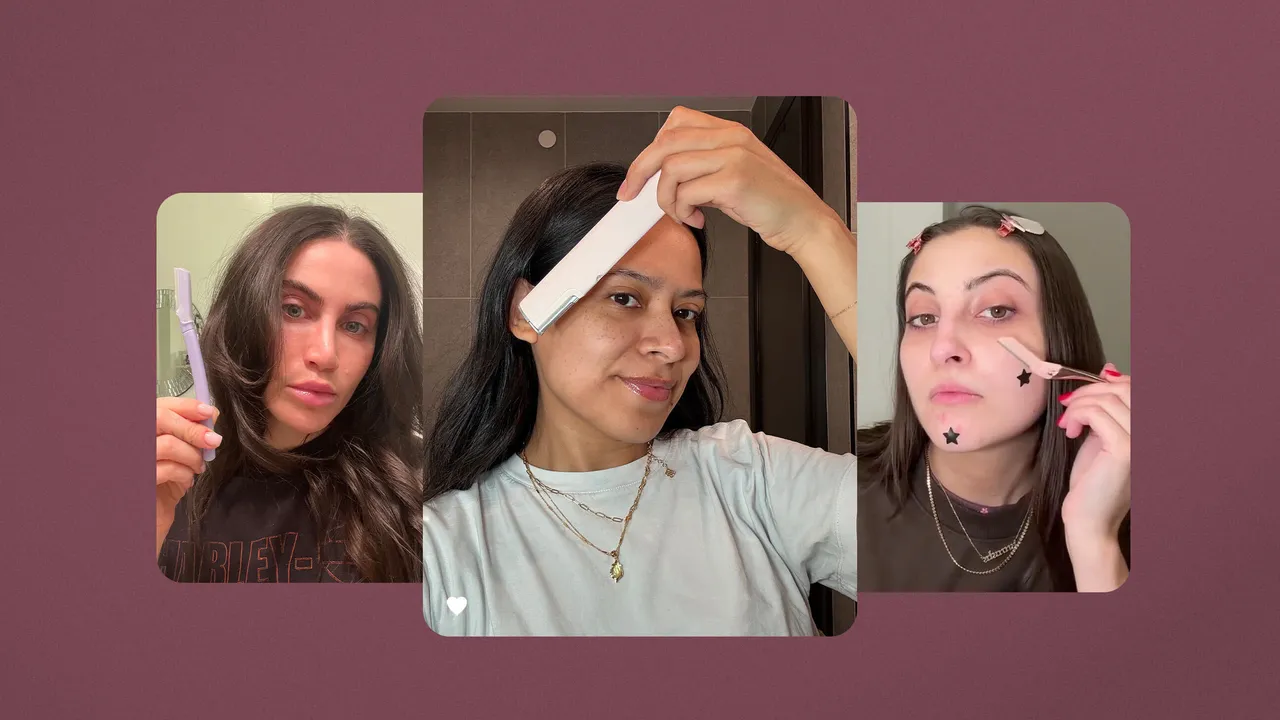
We evaluated dermaplaners based on ease of use, exfoliating capabilities, and how effective they were at removing peach fuzz from our faces. The best skin-care tools had gentle yet effective replacement blades that didn’t leave our skin feeling irritated or stripped after using them, and were easy to grip and maneuver around the smallest, most delicate parts of our face. The exfoliating face razors we found were both manual and electric, and had sturdy grips that didn’t allow our hands to slip and slide during this very delicate process. After using these razors for peach fuzz removal, we found that the ones we loved also left our skin feeling supple and soft, ready for makeup, and free of hair and dead skin.
- Candace Marino, celebrity aesthetician
- Cheyenne Wheeler, an aesthetician based in La Jolla, California
- Connie Yang, MD, board-certified dermatologist based in NYC
- Kristen May Lee, lead aesthetician at Onda Beauty in New York City
- Marisa Garshick, MD, board-certified dermatologist
- Pooja Rambhia, MD, a board-certified dermatologist based in New Jersey