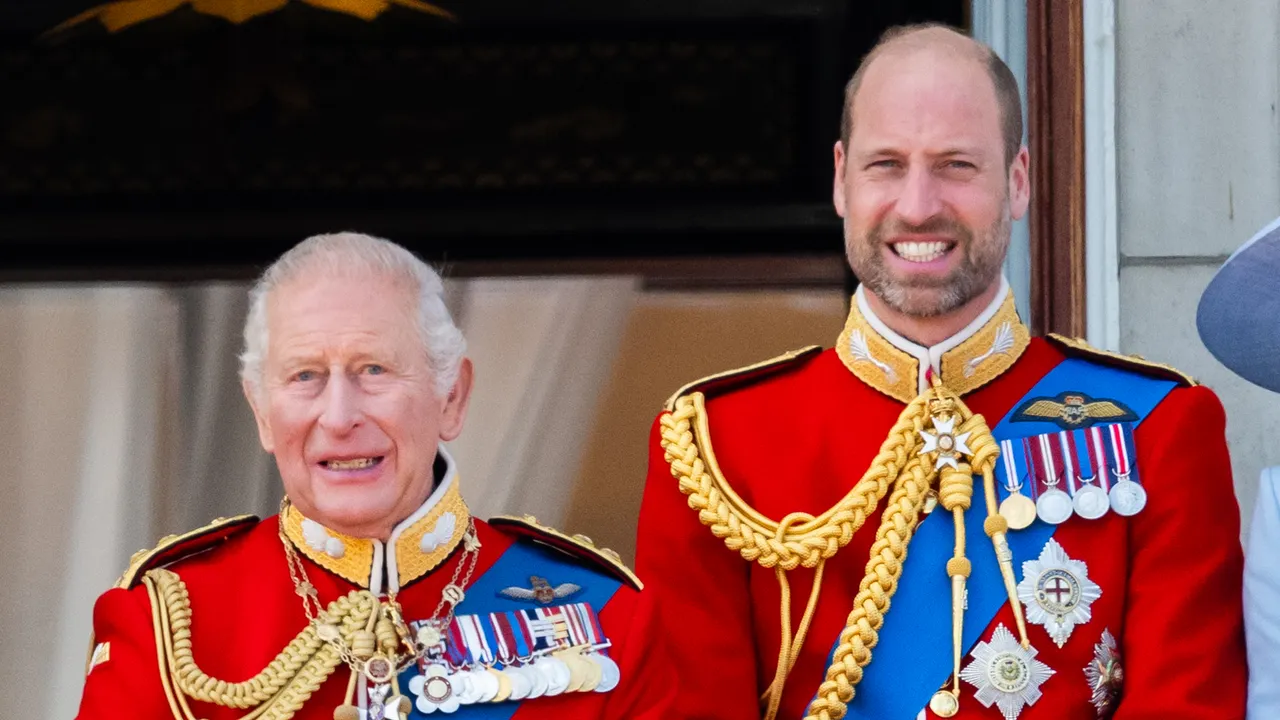
For some time now, however, Prince William has been associated with the idea of a more streamlined monarchy, with a smaller number of members engaged in official duties and a greater focus on the causes he considers priorities, from the environment to mental health. In this context, a potential relinquishment of the leadership of the Commonwealth could be interpreted as a further sign of change. This does not necessarily mean distancing himself from member countries, but rather a different interpretation of the role the British monarch should play in relation to them.
After all, the Commonwealth does not consist solely of territories that recognize Charles as head of state. It also includes numerous republics, and his leadership does not entail governing powers over member countries. William’s potential selection would therefore raise a primarily symbolic question: Who could represent the organization after Charles, and what relationship would they wish to maintain with the monarchy?
For Charles, who is deeply attached to the Crown’s international role and to continuity with his mother’s reign, the prospect of being the last Windsor to lead the Commonwealth would hold historical significance. For William, on the other hand, it could represent a way to distinguish the constitutional responsibilities of the future sovereign from those belonging to a particular phase of British history.
For now, this is merely a scenario, not a succession that has already been decided. But the question raised by The Times goes beyond an institutional role: It concerns how the British monarchy intends to redefine its presence in the world. The future King William will certainly inherit a crown. But it may be precisely what he chooses not to inherit that best reflects the monarchy to come.
Originally published in Vanity Fair Italy.