To start, it’s helpful to understand exactly why BEMT is being hailed as such a significant advancement in the sunscreen space. On its efficacy, it works to protect skin not only from the UVB rays that cause skin cancer, but also the UVA rays that cause premature skin aging and hyperpigmentation. As board-certified dermatologist Brendan Camp, MD puts it, BEMT is noteworthy because it expands the range of ultraviolet filters available to American sunscreen manufacturers. “BEMT gives manufacturers greater flexibility to create formulas that balance effective protection with a comfortable, cosmetically appealing finish. From a dermatologist’s perspective, that is particularly valuable because patients are more likely to use sunscreen consistently when they enjoy wearing it.”
That’s not to say that BEMT alone makes an SPF feel better to wear: “Existing FDA-approved filters can be combined to achieve broad-spectrum protection,” board-certified dermatologist Sejal Shah, MD says. “However, BEMT gives formulators another way to achieve that protection, with potentially useful advantages in stability and formulation flexibility.” By expanding the formulator’s toolbox, it allows brands to create products that are as effective in protecting skin as they are comfortable and elegant to wear.
La Roche-Posay is already quite familiar with the ingredient—its teams have been formulating with it internationally for years, per Steve Lynch, associate vice president of skincare development and scientific valorization, North America at L’Oréal Groupe. So when the brand set out to introduce the ingredient to wide-eyed American customers, it sought to balance the UV filters and the rest of the formula into something with excellent protection, stability, and textural characteristics.
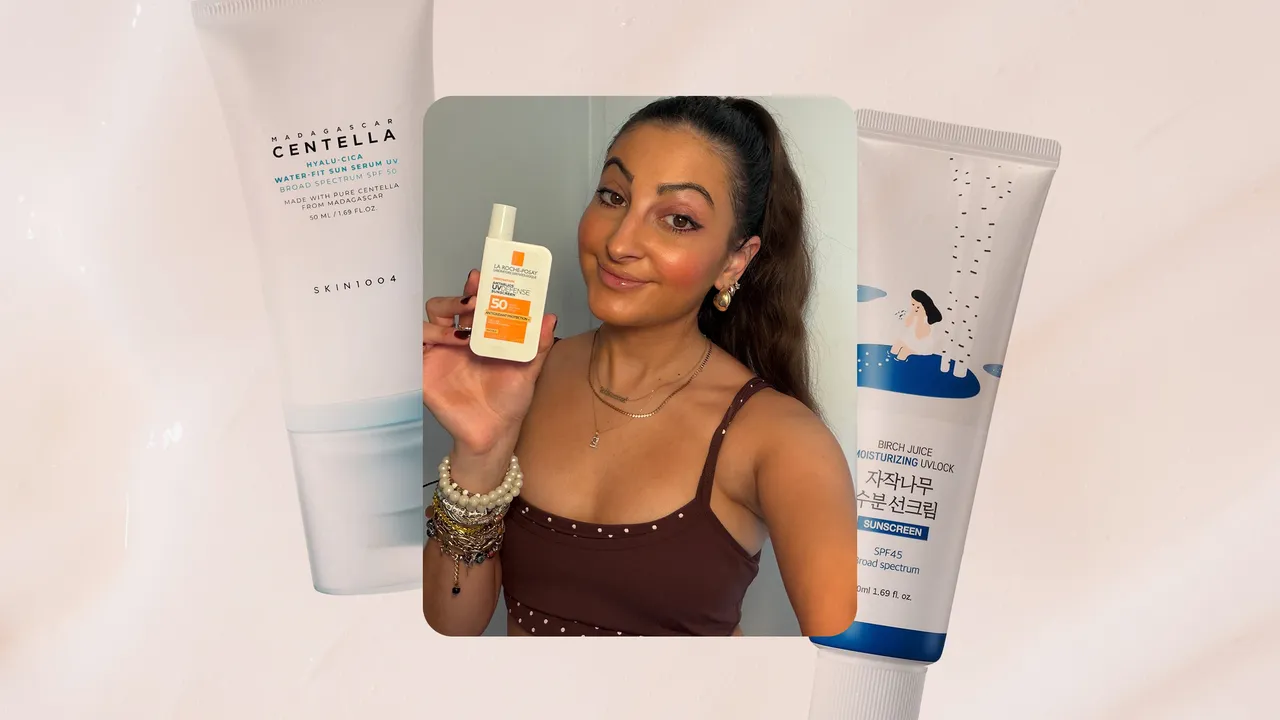
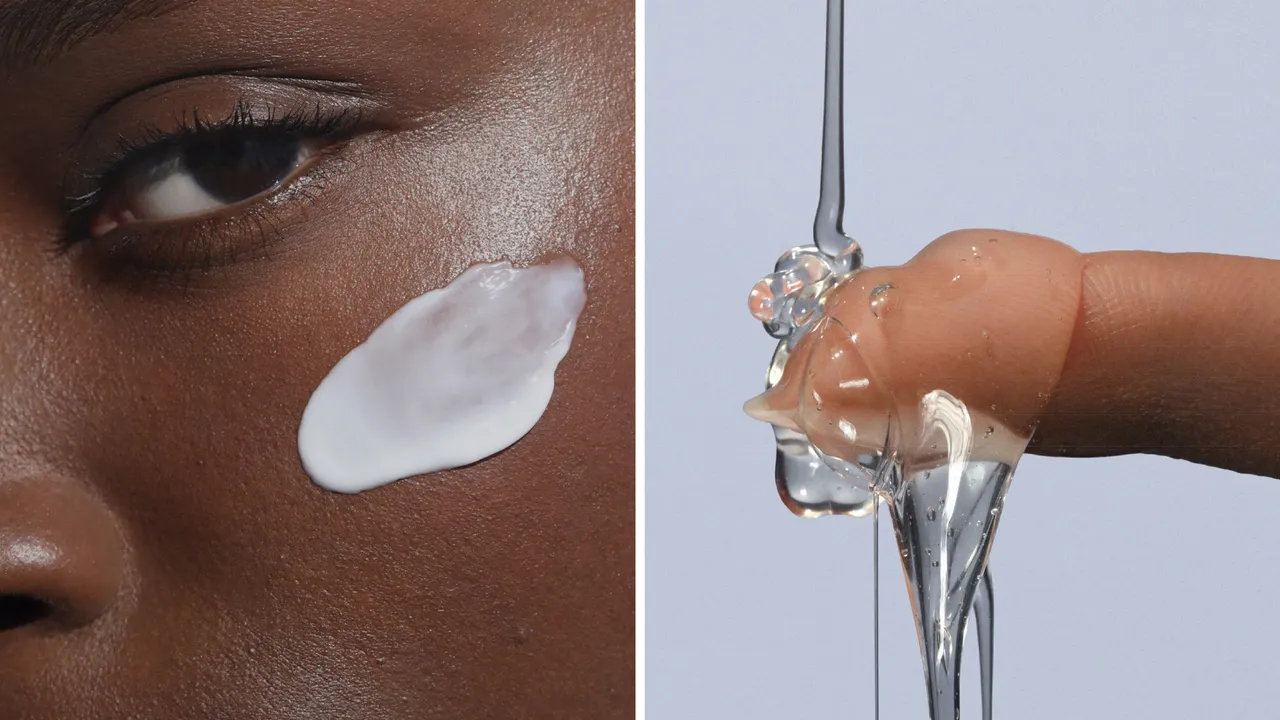
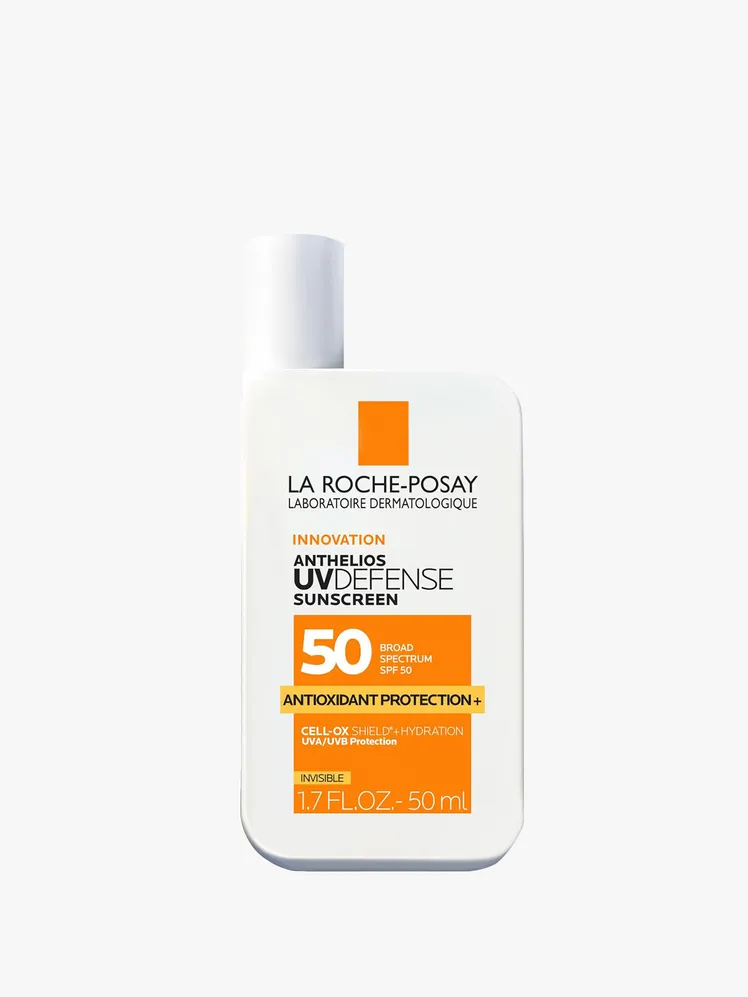
Anthelios UVDefense promises broad-spectrum protection in a lightweight, wearable formula—powered by a number of chemical UV filters you might already expect—avobenzone, homosalate, octisalate, and octocrylene—plus, BEMT, of course. Chemical sunscreens, as we know, are universally-loved for their sensorial appeal; and this one lives up to those expectations. It offers weightless wear and the milky texture we’ve come to expect from the brand’s Anthelios range. Expect zero white cast, no pilling, a natural finish, and almost-instant absorption into skin—so excellent, I loved it from the moment I started massaging it into my skin.
In 2026, many of us seem to be most focused on how a sunscreen feels than what it does, but Dr. Camp emphasizes the importance of efficacy. Per Grace Riggenbach, the brand’s general manager, “UVDefense sits in a class of its own for La Roche-Posay US,” she says. “As our first sunscreen with BEMT, it achieved the highest UVA protection rating, PA++++.” So basically, this sunscreen is not only pleasant to wear, but superb at safeguarding skin against damage. Not to mention, “It also offers powerful antioxidant protection, by combining our proprietary Cell-Ox Shield technology with Litchiderm and Exo-P for the first time,” Riggenbach adds. “As a result, this formula has been shown to boost skin’s defense against damaging free radicals by 4x.”
It’s undeniable that La Roche-Posay already had plenty of incredible facial sunscreens, so you may wonder why you might sub this one in instead. If you’re passionate about wear, UVDefense feels great on the skin, though not significantly better than its beloved Anthelios Ultra-Light. I’d recommend it to those with combination or oily skin types who prefer thinner formulas, or those looking to layer with a full skin-care regimen and makeup (though with the right moisturizer, I’d argue it for dry skin types as well.) Conversely, if you’re looking for more advanced sun protection, that is where this formula really shines. As of now, this is looking like the best chemical UV protection you can get stateside.
La Roche-Posay
Anthelios UVDefense Sunscreen SPF 50 with BEMT
Everything You Need to Know
When we test and review a product, we take a holistic approach to deliver well-rounded product recommendations. First, we lean on Vogue’s vast network of experts—from board-certified dermatologists to celebrity estheticians—to gain professional acumen on the industry’s standout products, ones these specialists would actually use on their clients. We pair their expertise with our editorial best practices to curate the thoughtful edits you read on our site.
As it relates to sunscreens, we selected the best based on the following characteristics: ingredients, suncreen filters, texture, packaging, finish, and the skin-care concerns they address. To do this, we paired our own personal tests of each formula with expert guidance and reviewer insights to determine which we would recommend to you. Read more about our testing methodology here.
- Brendan Camp, MD, is double board-certified in dermatology and dermatopathology and sees patients at MDCS Dermatology: Medical Dermatology & Cosmetic Surgery.
- Sejal K. Shah, M.D. is a board certified dermatologist in private practice in Manhattan.