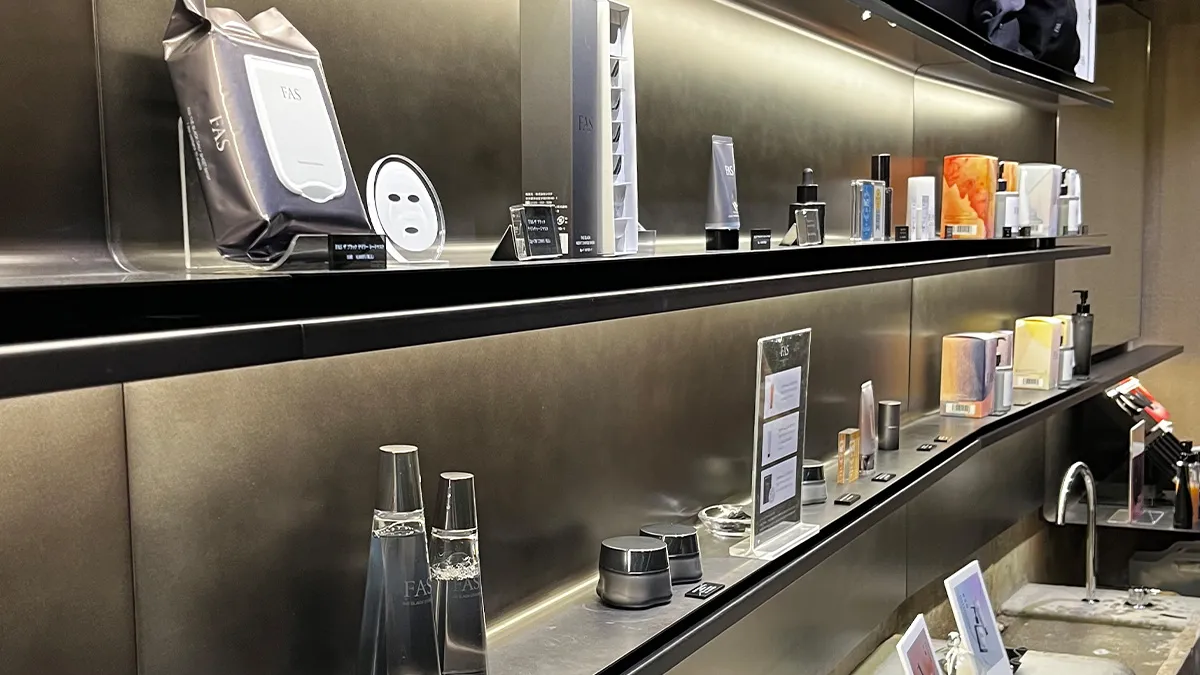
Encouraged by the early positive reception, Fas is now betting that Japanese traditions and meticulous craftsmanship will resonate with modern skincare consumers around the world. Can it succeed in convincing shoppers to return over the long term?
The J-beauty opportunity
Fas’s rise comes amid the Japanese government’s attempt to boost its cultural exports, creating favorable conditions for a brand like Fas.
Experts point to South Korea as the blueprint for treating culture as a primary strategic asset; rather than letting cultural trends grow organically, the Korean government has heavily funded and structurally supported the global distribution of Korean dramas, food, music, and beauty. Japan’s soft power, however, is historically fragmented. While iconic gaming and film franchises like Nintendo or Studio Ghibli are massive hits, they largely succeeded through private funding rather than a top-down government push.
In 2013, the Japanese government launched the Cool Japan Fund to promote Japanese culture abroad. However, a lack of industry expertise and poor investment decisions resulted in cumulative losses of JPY 54 billion ($340 million). In a revised strategy released in 2024, the government said it planned to refocus on specific industries like gaming, tourism, beauty and fashion, and grow the combined market size of these sectors from JPY 30 trillion to JPY 50 trillion ($189 billion to $316 billion) by 2033.
“It was more lifestyle and anime-focused before; J-beauty wasn’t really part of it. Some of the investments made were not really the right choice,” says Aasmi Iida, senior executive officer at Trenders Inc., a Tokyo-based marketing and investment firm. The success that South Korea has seen with its beauty exports helped to open the government’s eyes, she believes. “As you know, Japanese food and Japanese music are so common in the world, but not Japanese beauty.”
“Compared with K-beauty, many Japanese brands have been slower to build international visibility,” agrees Aya Suzuki, Euromonitor International’s senior analyst based in Tokyo. “That said, today’s beauty landscape may be more favorable for J-beauty. Its strengths in science-based efficacy, prevention, craftsmanship and long-term care align closely with growing consumer interest in longevity, wellness, and authenticity. The opportunity now is not for J-beauty to compete directly with K-beauty on speed or trends, but to establish a distinctive position around long-term beauty, healthy aging and trusted performance.”