Bronchitis is contagious only in some cases: acute bronchitis often spreads when it is caused by a cold, flu, COVID-19, or another respiratory infection, while chronic bronchitis itself is usually not contagious. The practical rule is simple: if your bronchitis started with fever, sore throat, runny nose, or body aches, treat it as contagious until those infection symptoms improve. The CDC describes acute bronchitis as a chest cold that is usually caused by a virus, which is why antibiotics often do not help [source: CDC].
TLDR: WebMD and Cleveland Clinic mostly agree: acute bronchitis can be contagious, but chronic bronchitis is not contagious unless you also have an infection. For example, if a 34-year-old parent develops a cough after two days of fever and sneezing, the infection behind the bronchitis may spread through droplets from coughing, shared cups, or unwashed hands. Most people should focus on staying home during the early sick days, masking around others, washing hands, and watching for warning signs such as shortness of breath or chest pain.
What WebMD and Cleveland Clinic Agree On
Both WebMD and Cleveland Clinic separate bronchitis into two main types: acute bronchitis and chronic bronchitis. That distinction matters more than people think. It drives me crazy that many searches make “bronchitis” sound like one illness, when it is really a symptom pattern with different causes.
- Acute bronchitis usually comes on fast. It often follows a cold or flu-like illness. It can be contagious if the cause is viral or bacterial.
- Chronic bronchitis is a long-term airway condition. It is commonly linked with smoking, air pollution, workplace dust, or chronic obstructive pulmonary disease. It is not spread person to person.
The cough can look similar in both. That is where the confusion starts. A person with chronic bronchitis may cough up mucus for months. A person with acute bronchitis may cough for one to three weeks after the infection has already peaked. The sound of the cough does not tell you whether someone is contagious.
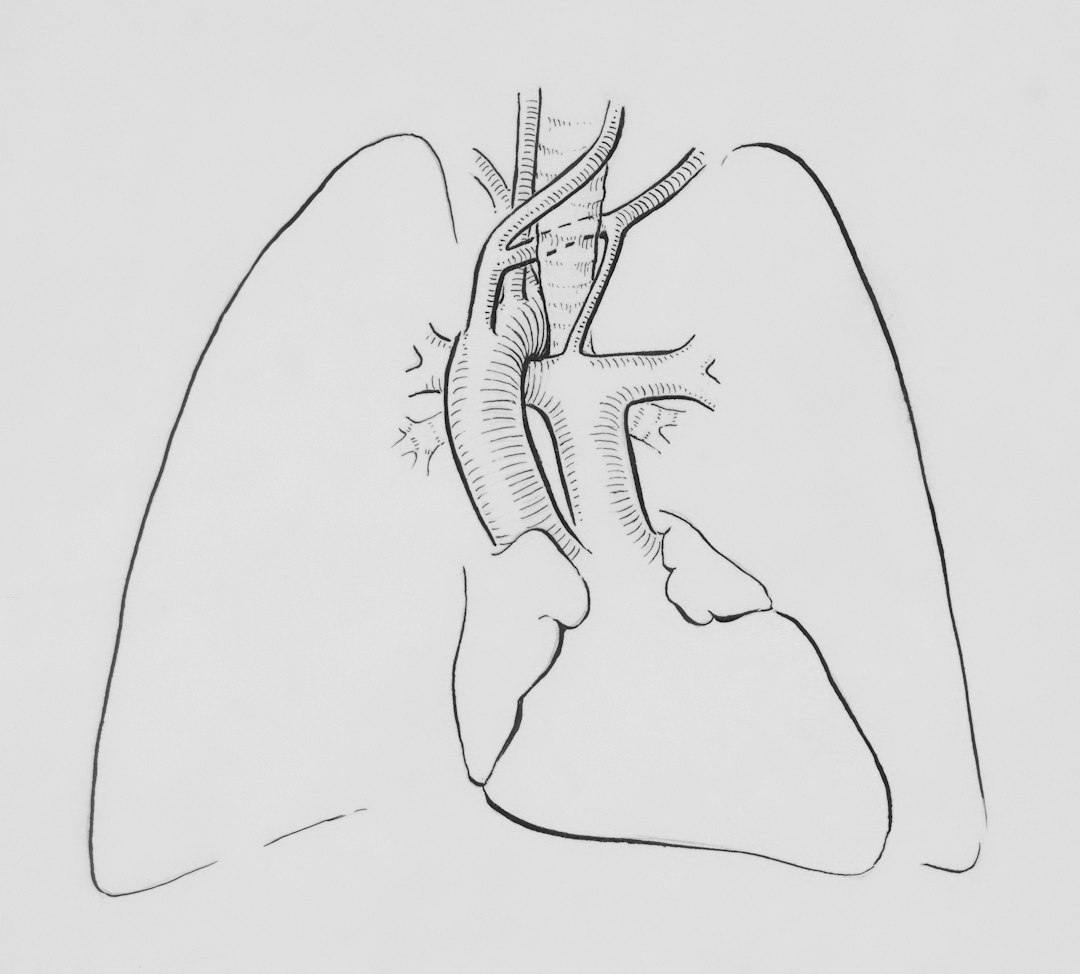
So, Is Bronchitis Contagious?
Acute infectious bronchitis can be contagious. The bronchitis itself is inflammation in the bronchial tubes. What spreads is usually the virus or bacteria that triggered it. Common culprits include cold viruses, influenza, RSV, and COVID-19.
These germs spread through:
- Respiratory droplets from coughing, sneezing, talking, or laughing.
- Close contact, especially indoors and in poorly ventilated rooms.
- Contaminated hands after touching tissues, doorknobs, phones, or shared surfaces.
- Shared items such as cups, utensils, towels, and vape devices.
Chronic bronchitis is different. You cannot “catch” chronic bronchitis from someone at work or on a bus. Still, a person with chronic bronchitis can catch a cold or flu. If that happens, the infection may be contagious, even though the underlying chronic bronchitis is not.
WebMD vs Cleveland Clinic: The Main Difference in Emphasis
WebMD tends to explain bronchitis in a patient-friendly way, with a strong focus on symptoms, home care, and when to call a doctor. It often frames acute bronchitis as a short-term illness that can follow a cold or respiratory infection.
Cleveland Clinic tends to be a bit more clinical. It usually gives sharper separation between acute bronchitis, chronic bronchitis, and related lung conditions. It also puts strong weight on cause, duration, and risk factors.
Their core message is not really in conflict. The difference is tone and structure:
- WebMD: easy symptom checklist, practical care tips, and common questions.
- Cleveland Clinic: clearer medical categories, causes, risk factors, and diagnosis details.
- Best takeaway: use both styles. Match your symptoms to the pattern, then act based on risk.
Symptoms That Suggest Acute Bronchitis
Acute bronchitis often starts like a regular upper respiratory infection. Then the cough settles into the chest. That cough may feel rough, deep, and tiring.
Common symptoms include:
- Persistent cough, with or without mucus.
- Clear, white, yellow, or green mucus. Color alone does not prove you need antibiotics.
- Chest tightness or soreness, often worse after repeated coughing.
- Wheezing or a rattling feeling in the chest.
- Fatigue that lingers after the fever fades.
- Mild fever or chills, especially early in the illness.
- Sore throat, runny nose, or body aches if the cause is viral.
A cough after acute bronchitis can hang around. Honestly, it feels unfair when the fever is gone but the cough keeps interrupting sleep for another week or two. That does not always mean you are still contagious. Airways can stay irritated after the germ has faded.
Symptoms That Suggest Chronic Bronchitis
Chronic bronchitis is usually defined by a mucus-producing cough that lasts for at least three months and returns across two consecutive years. It is often part of COPD.
Watch for these patterns:
- A daily productive cough.
- Shortness of breath with mild activity.
- Frequent chest infections.
- Wheezing that comes back often.
- Cough that is worse in the morning.
- A history of smoking or heavy exposure to irritants.
If someone with chronic bronchitis suddenly develops fever, marked fatigue, or a change in mucus volume, they may have a new infection on top of the chronic condition. That infection may spread to others.

How Long Is Acute Bronchitis Contagious?
There is no single clock. It depends on the germ. As a cautious rule, assume you are most contagious during the first few days of cold or flu symptoms, especially if you have fever, sneezing, runny nose, or body aches.
Many people reduce spread by staying home until:
- They have had no fever for at least 24 hours without fever-reducing medicine.
- Coughing and sneezing are improving.
- They can wear a mask if they must be near others.
- They can avoid close contact with infants, older adults, and people with weak immune systems.
Do not use mucus color as your main guide. Green mucus can happen with viral infections. Clear mucus can still appear during contagious illness. The full symptom pattern matters more.
Prevention: What Actually Helps
Prevention is basic, but it works when people actually do it. The weak point is consistency. Most transmission risk comes from close contact, poor hand hygiene, and shared indoor air.
- Wash hands often. Use soap and water for at least 20 seconds.
- Cover coughs and sneezes. Use a tissue or your elbow, not your bare hand.
- Avoid touching your face. Eyes, nose, and mouth are easy entry points.
- Stay home when feverish. This protects coworkers, classmates, and relatives.
- Wear a mask if you must be around others while coughing.
- Improve airflow. Open windows, use fans safely, or use air filtration when possible.
- Do not share cups, utensils, vapes, or towels.
- Stay current on vaccines for flu, COVID-19, RSV if eligible, and pneumonia if recommended.
- Stop smoking and avoid secondhand smoke. Smoke irritates the bronchial tubes and raises risk for chronic bronchitis.

When to Call a Doctor
Most acute bronchitis improves with rest, fluids, and time. Still, some symptoms need medical attention. Do not wait if breathing feels unsafe.
Call a clinician if you have:
- Shortness of breath at rest.
- Chest pain that is severe or unusual.
- Blue lips or confusion.
- Fever lasting more than three days.
- Coughing up blood.
- Symptoms that improve, then suddenly get worse.
- A cough lasting more than three weeks.
- High risk status, such as pregnancy, older age, heart disease, lung disease, cancer treatment, or immune suppression.
The Bottom Line
WebMD and Cleveland Clinic point to the same practical answer: bronchitis may be contagious when it is acute and infection-related, but chronic bronchitis itself does not spread between people. If your cough came with cold or flu symptoms, act as if you can pass the infection along. Stay home early, cover your cough, clean your hands, and protect people at higher risk. If symptoms are severe, prolonged, or unusual, get medical care rather than guessing.