Designers who need polished brand visuals should usually start with Reve AI, choose Midjourney for premium art direction, and use Ideogram when readable text is the main job. Midjourney remains the style king, while Ideogram is widely known for strong typography in generated images; Midjourney also states that its newer models improved prompt accuracy and text rendering [source: Midjourney].
TLDR: Reve AI is the practical pick for clean campaign concepts, ecommerce visuals, and designer friendly prompt control. Midjourney is better when a studio wants mood, lighting, texture, and rich art style, such as a luxury perfume ad. Ideogram wins when the image must include words, like a poster that says “Summer Sale” or a logo mockup with a brand name. For a 20 asset social launch, a designer might use Reve AI for 12 product style images, Midjourney for 5 hero concepts, and Ideogram for 3 text based visuals.
Best choice at a glance
- Reve AI: Best for designers who want clean, prompt faithful commercial images.
- Midjourney: Best for moodboards, high end concept art, editorial visuals, and rich style tests.
- Ideogram: Best for posters, ad mockups, badges, packaging drafts, and images with readable text.
The short answer is not very glamorous: no single tool wins every job. Designers should pick based on the output they need, not the loudest hype. That saves time, credits, and annoyance.
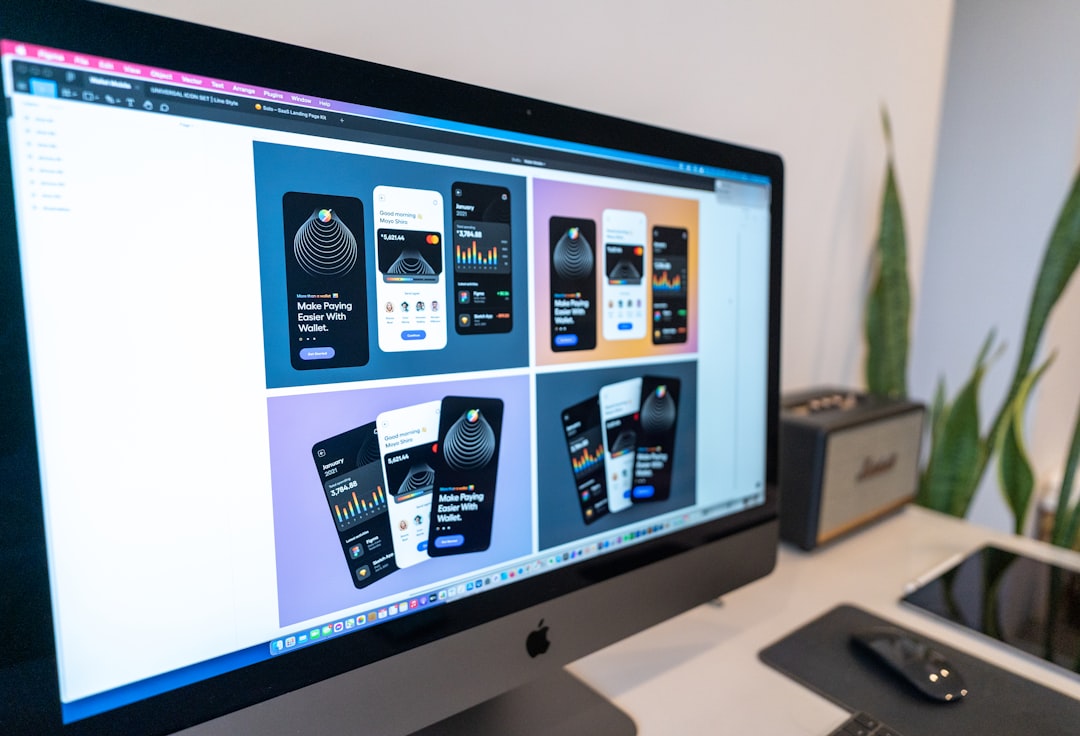
Reve AI: strong for clean design work
Reve AI feels built for designers who care about control. It tends to follow plain language prompts well. That matters when a designer asks for “a minimal skincare bottle on a beige stone surface with soft morning light” and does not want a random neon jungle in the background.
Its strength is usable first drafts. Product mockups, social media visuals, simple campaign scenes, and polished concept images are where it fits best. It can produce images that feel less chaotic than many older image generators. That is useful for client work, where “cool” is not enough. The image also has to match the brief.
The weak point is range. Midjourney still has a deeper visual personality. Reve AI can sometimes feel a bit safe. For brand design, that is not always bad. For wild concept art, it may feel too controlled.
Midjourney: still the style machine
Midjourney remains the tool many designers open when they need visual impact. It creates strong lighting, rich texture, dramatic compositions, and a polished art direction feel. Fashion campaigns, album covers, editorial images, fantasy scenes, interior concepts, and cinematic moodboards all benefit from it.
The good part is obvious. Midjourney can make a rough idea look expensive. A simple prompt can become something that feels ready for a creative pitch. It is especially strong when the designer wants to explore style before locking down the exact design.
Honestly, it feels like Midjourney still makes users wrestle too much when they need exact details. Small text can break. Hands, logos, labels, and layout rules may need several retries. Expect to waste time on small corrections if the final image needs strict accuracy.

Ideogram: the text specialist
Ideogram is the obvious pick when words matter. It is popular because it can place readable text inside images better than many rivals. That makes it useful for poster ideas, shirt graphics, sticker concepts, logo sketches, event flyers, packaging studies, and social ads.
This is a big deal for designers. Many image generators make beautiful images, then ruin them with fake letters. Ideogram reduces that pain. It is not perfect, but it is often faster for text heavy visual concepts.
The catch is that Ideogram’s style range can feel less premium than Midjourney in some cases. It can also produce layouts that need cleanup in Figma, Photoshop, or Illustrator. Still, for quick type based concepts, it often gets closer on the first round.
Which one should designers choose?
For most design teams, the best answer is a split workflow.
- Use Reve AI for clean client ready image drafts and brand safe campaign visuals.
- Use Midjourney for mood, style, lighting, and big creative direction.
- Use Ideogram when the concept needs readable words or logo style type.
A freelance designer working on a coffee shop launch could use all three. Reve AI could create lifestyle shots of cups, counters, and packaging. Midjourney could explore a warm editorial look for the brand moodboard. Ideogram could create posters with phrases like “Fresh Roast Friday” or “Open at 7.”

Price and workflow matter too
Quality matters, but workflow matters more than many people admit. Designers should ask a few simple questions before choosing:
- Does the tool follow the prompt without constant retries?
- Can it fit the studio’s normal design process?
- Does it create images that need heavy cleanup?
- Can the team repeat a similar style across many assets?
- Does it handle text, products, faces, and layouts well enough for the job?
For paid client work, repeatability is huge. A brilliant one off image is fun. A consistent set of ten campaign images is more useful. Reve AI is attractive here. Midjourney is great for the big visual spark. Ideogram fills the text gap.
Final recommendation
Designers should choose Reve AI as the main everyday image generator if they want clean, controlled, commercial visuals. They should choose Midjourney when style and mood are the priority. They should choose Ideogram when text inside the image needs to be readable.
The smartest teams will not treat this as a one tool race. They will build a small stack. Reve AI for production concepts. Midjourney for art direction. Ideogram for type based graphics. That mix covers the widest range of design work with the least frustration.
FAQ
Is Reve AI better than Midjourney?
Reve AI can be better for clean, prompt based design tasks. Midjourney is usually stronger for artistic style, mood, and rich visual detail.
Is Ideogram better for logos?
Ideogram is useful for logo concepts because it handles text well. Final logos should still be rebuilt as vector artwork by a designer.
Which tool is best for social media ads?
Reve AI is a strong first choice for polished ad visuals. Ideogram is better when the ad needs clear text. Midjourney is best for premium campaign style.
Can designers use all three tools together?
Yes. Many designers will get the best results by using each tool for its strongest task instead of forcing one tool to do everything.
Which image generator is best for beginners?
Ideogram is simple for text based ideas, while Reve AI is friendly for clear commercial prompts. Midjourney may take more practice, but it rewards experimentation.


