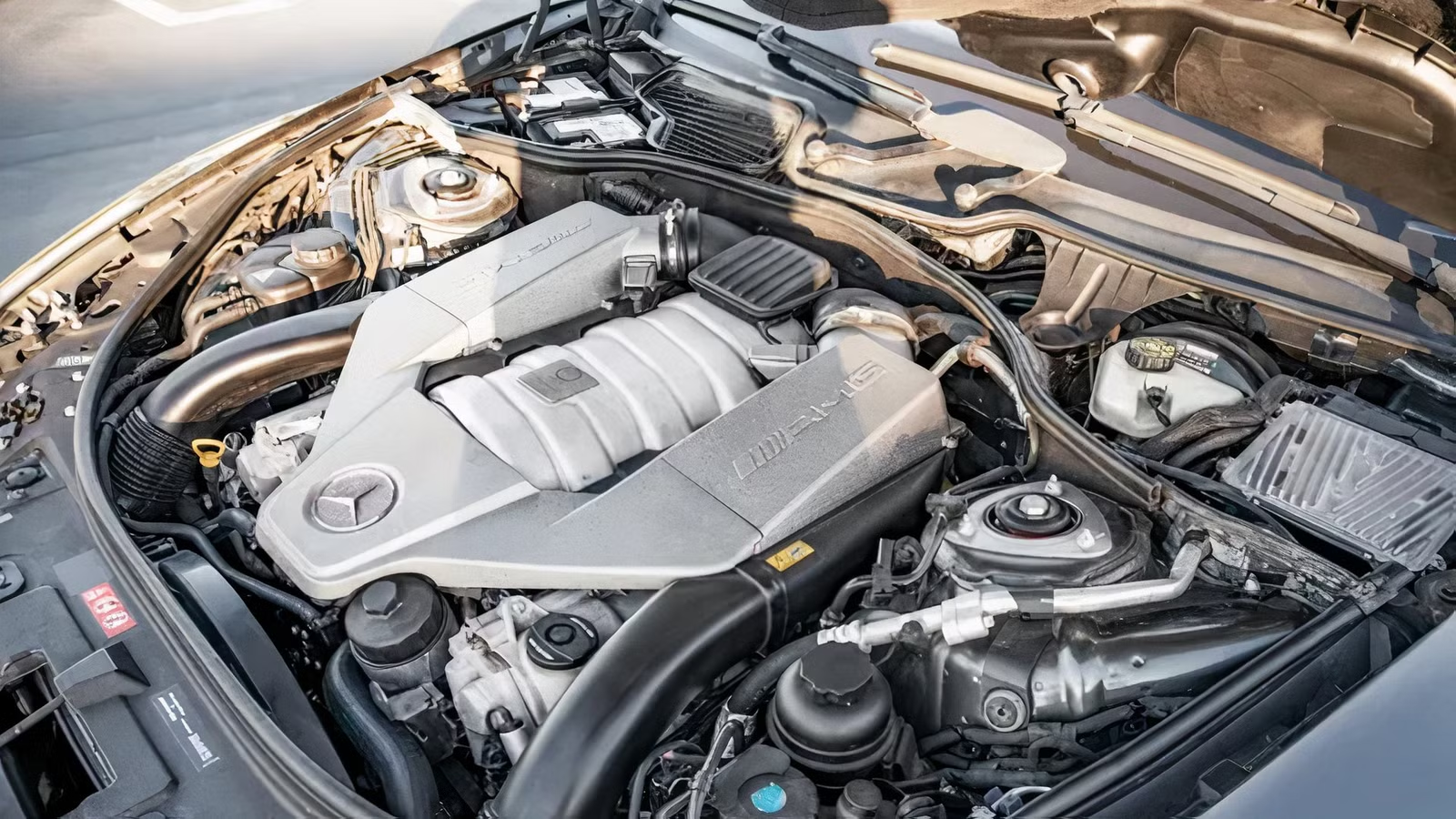
Somewhere in Affalterbach, a technician once signed a small plaque and bolted it to an engine he had built from the first piston to the last spark plug. It was made in an era when nobody asked for a turbocharger and nobody wanted hybrid assist. The result was a big, honest, high-revving, gloriously uncomplicated V8 that sounded like a thunderstorm in a stone-walled church. It arrived just as the rules of the performance game were about to change forever, and then it was gone. Here is what made it special, what really goes wrong with it, and why informed buyers are quietly circling before prices climb further.
The Last Naturally Aspirated V8 From Affalterbach Before AMG Went Turbo
When the M156 debuted in 2006, it was a statement of independence. Earlier AMG V8s, including the M113 that came before it, were Mercedes engines that Affalterbach reworked, stretched and, in some cases, supercharged. The M156 was different. It was the first engine AMG developed from a clean sheet of paper. It is a 90-degree V8 with four valves per cylinder, a 7,200 rpm redline, and an 11.3:1 compression ratio. That last figure tells you this was a high-strung, free-breathing motor, not a lazy torque machine.
Then there is the displacement. The block measures 6,208 cc, or 6.2 liters, yet AMG badged its cars as 6.3. The extra 0.1 was a heritage nod to the original 300 SEL 6.3 of the late 1960s, the big sedan that first proved a Mercedes could embarrass sports cars. Strictly speaking, it is marketing rounding.
Within five years of the M156’s debut, AMG launched its twin-turbo 5.5-liter V8, and by the middle of the next decade the entry-level performance sedan was running a twin-turbocharged 4.0-liter. Emissions rules and fuel-economy targets, especially in Europe, were closing in on large naturally aspirated engines. The M156 sits at the exact point where AMG could still build the engine its engineers wanted, without a turbocharger asking for a say.
How One Man, One Engine Made The M156 Different From Other V8s

Every M156 left the factory with a signature. Since 1993, AMG has built its hand-assembled engines under a policy it calls “One Man, One Engine.” A single technician assembles an engine from start to finish, then fixes a plaque bearing their signature to it. In the M156 era, that plaque sat on the engine cover, a small nameplate that effectively said someone had put their reputation on this thing.
Operationally, it was less romantic than it sounds, and more interesting. Parts arrived at the technician’s station in kits, and that person was responsible for the whole sequence. Fitting the crankshaft and pistons, torquing the heads, setting the camshafts, and installing the intake and ancillaries. Technicians were trained for years before being trusted with their own engines, and the person who built the engine was the one who put their name on it.
Hand-building, however, is not the same as flawless, and as we will see, the M156 has a known weak point that no signature plaque prevented. But for collectors the plaque matters. It gives each engine a human origin story; it is easy to photograph and verify, and it is a talking point at any cars-and-coffee meet. In a world of robot-assembled engines, that matters more every year.
From W211 E63 To SLS: Every AMG That Carried The 6.2-Liter V8
The M156 lived in more AMG products than almost any engine of its era, so it helps to take them in order. The first was the W211 E63 AMG (2007 to 2009), sold as a sedan and a wagon. It made 507 horsepower and 465 pound-feet, and it was a genuine super-sedan, hitting 60 mph in 4.5 seconds. The CLS63 arrived alongside it, and the same V8 powered the S-Class and CL-Class AMG models in larger, softer packages.
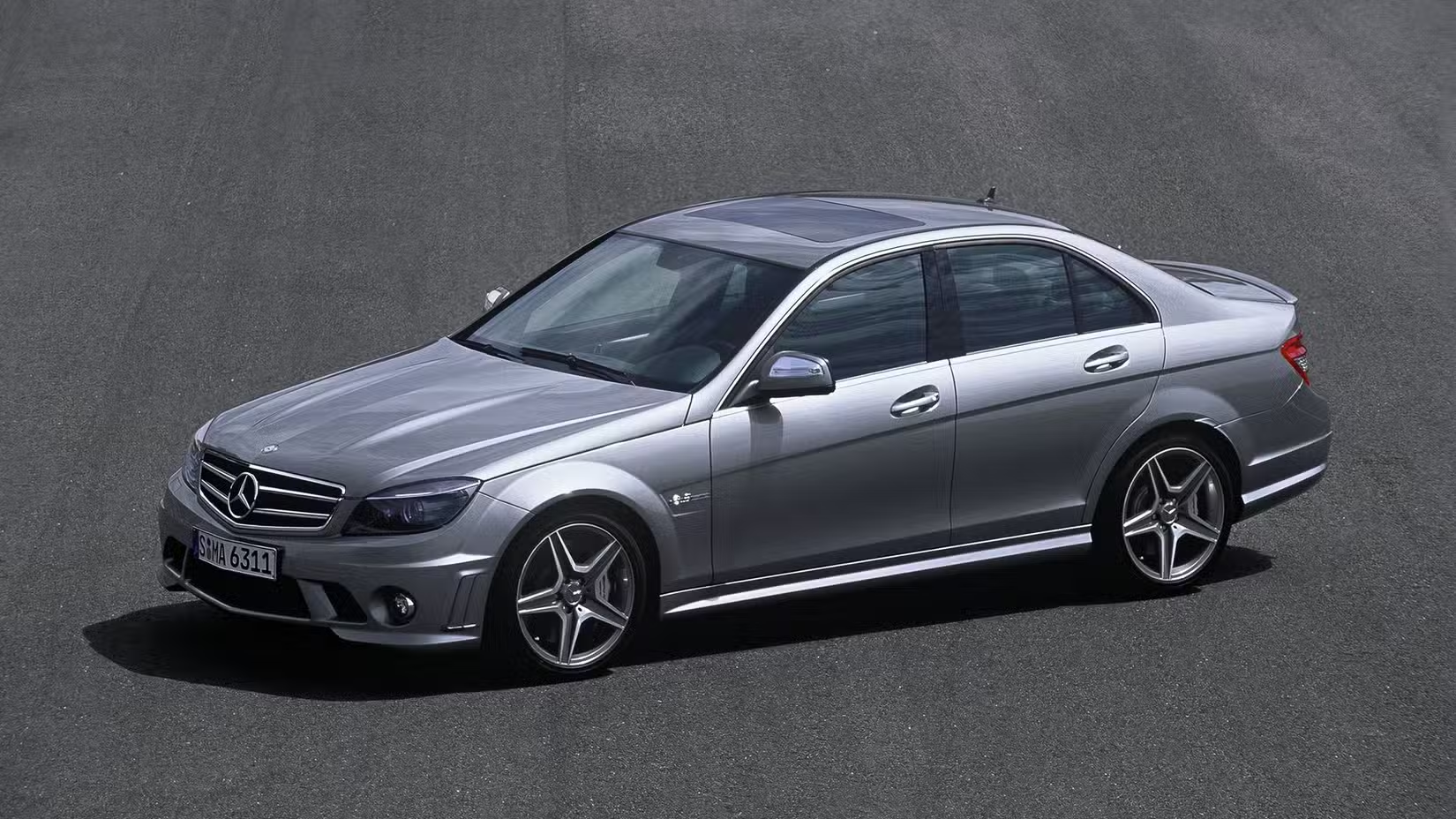
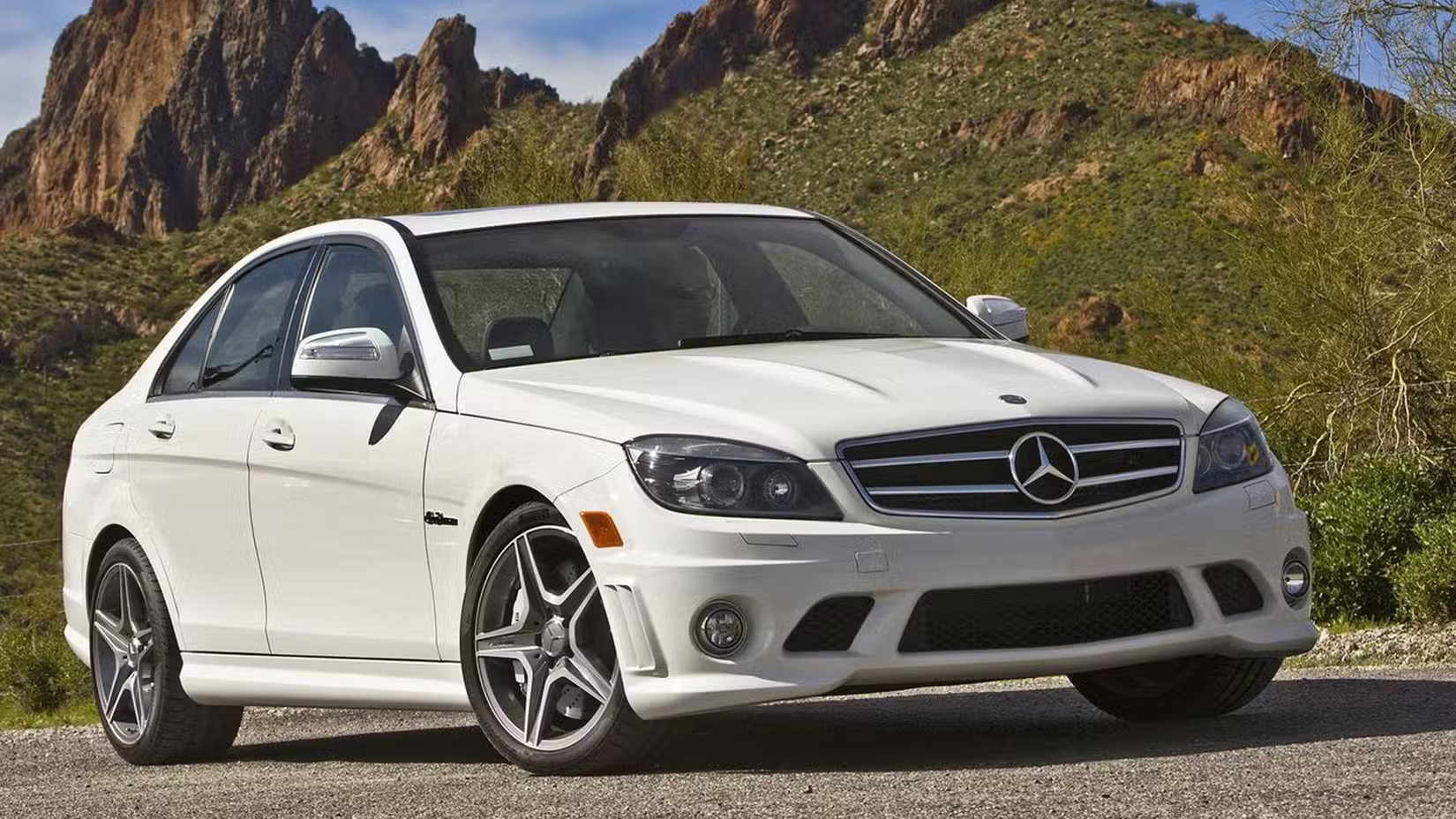
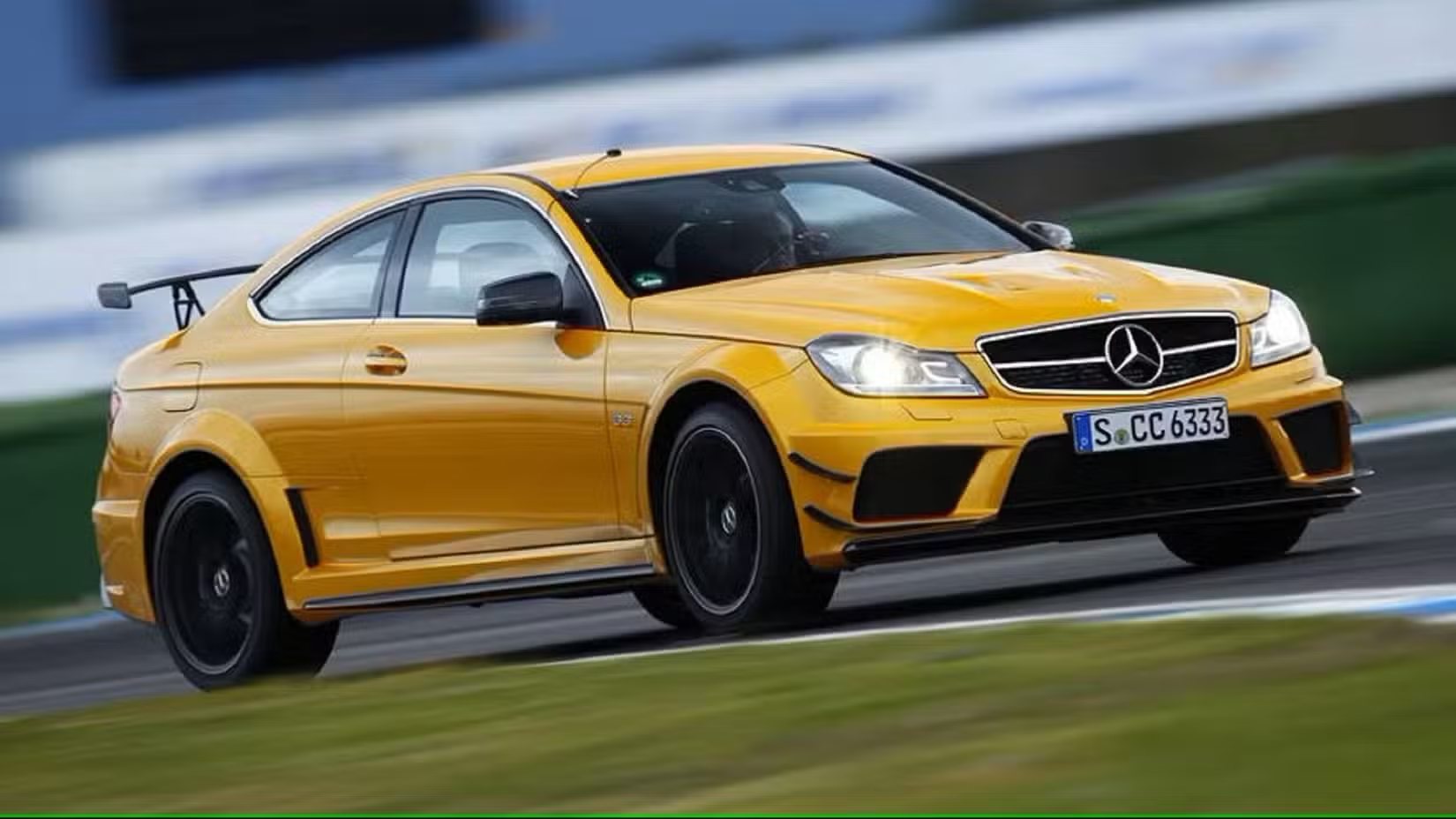
The W204 C63 AMG (2008 to 2014) squeezed a slightly detuned version into a compact body, rated at 451 horsepower and 443 pound-feet. It turned the M156 from an executive-express engine into a proper muscle car. The C63 Black Series pushed output to 517 horsepower and 457 pound-feet. The rare 2008 CLK63 AMG Black Series delivered 500 horsepower and 464 pound-feet, and its values reflect that scarcity.
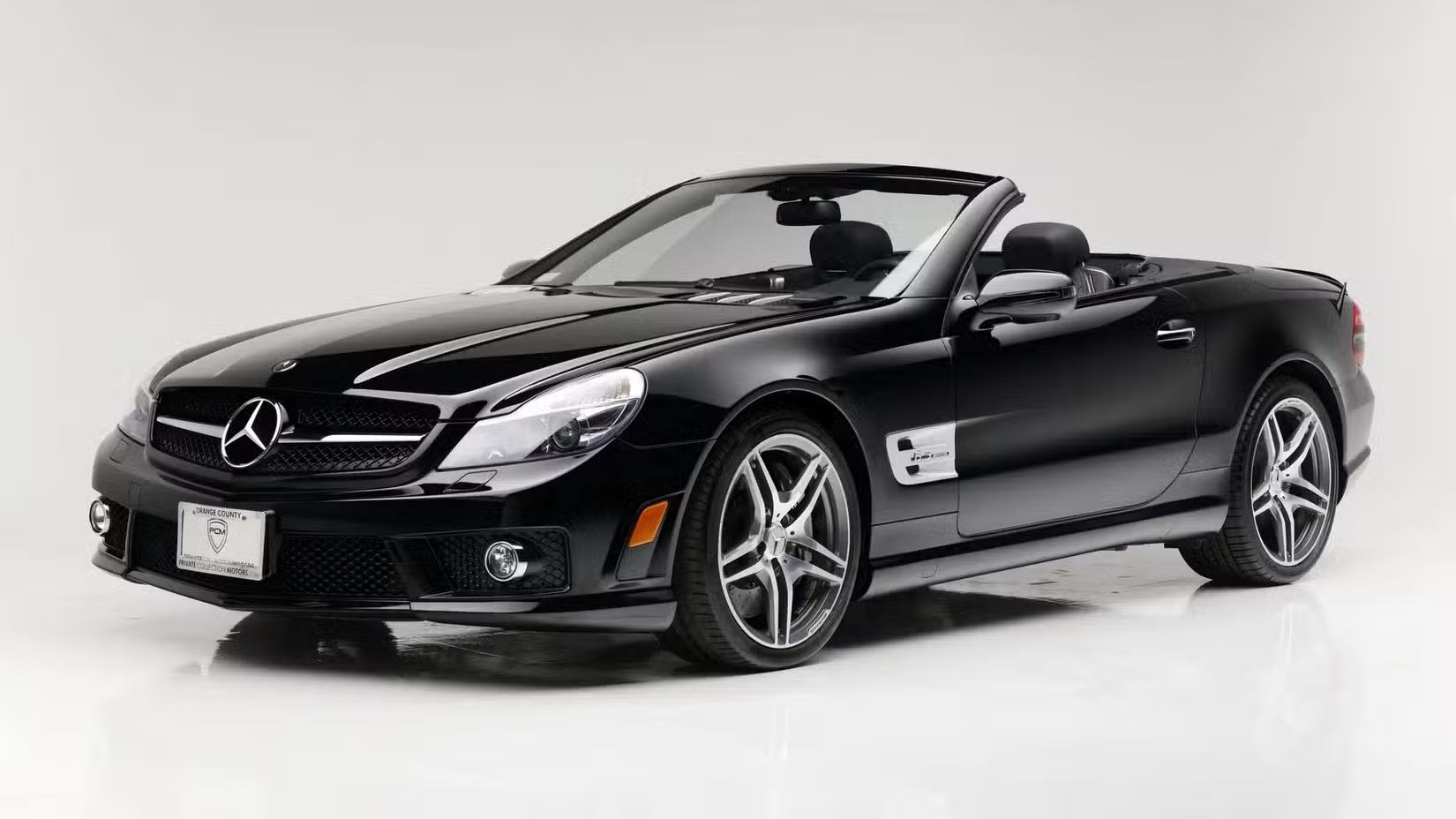
The R230 SL63 roadster (2008 to 2011) used a 518 horsepower tune with 465 pound-feet. The W212 E63 then launched with the M156 for 2010 at 518 horsepower, and the engine stuck around for two model years before the twin-turbo 5.5-liter took over in 2012 — still in the W212 generation. Buyers should not lump the two E63 generations together. The W211 is older, rawer and cheaper. The W212 is more modern, better equipped and far scarcer in M156 form.
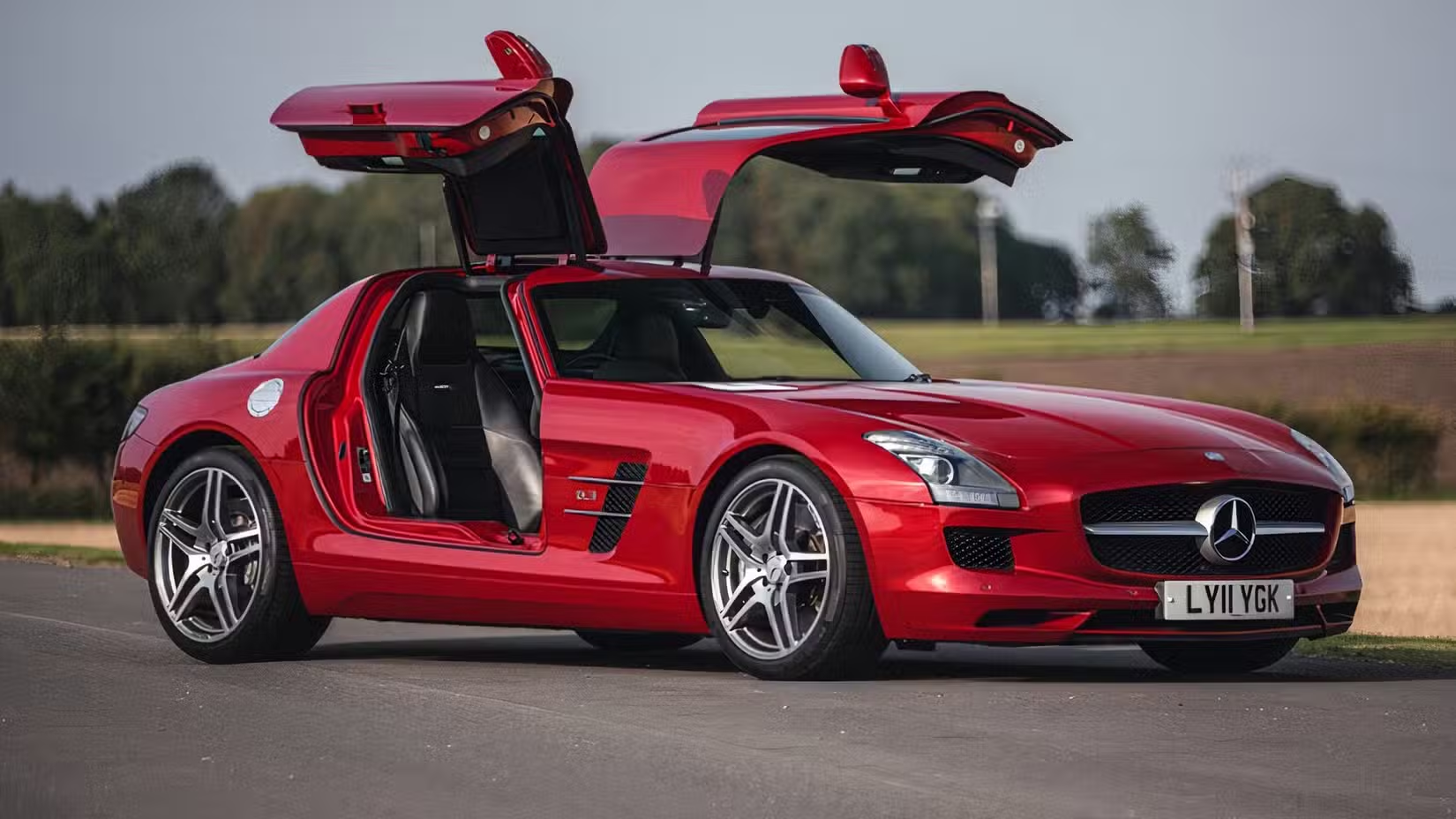
At the top sits the SLS AMG, which uses a close cousin called the M159. It shares the 6.2-liter architecture but adds dry-sump lubrication, allowing the engine to sit lower in the chassis, and makes 563 horsepower and 479 pound-feet. Strictly, it carries a different engine code. In spirit, it is the M156’s finest hour, in the one car AMG developed entirely on its own.
The M156 Head-Bolt Problem Is Real, But Its Reputation Is Worse Than The Reality
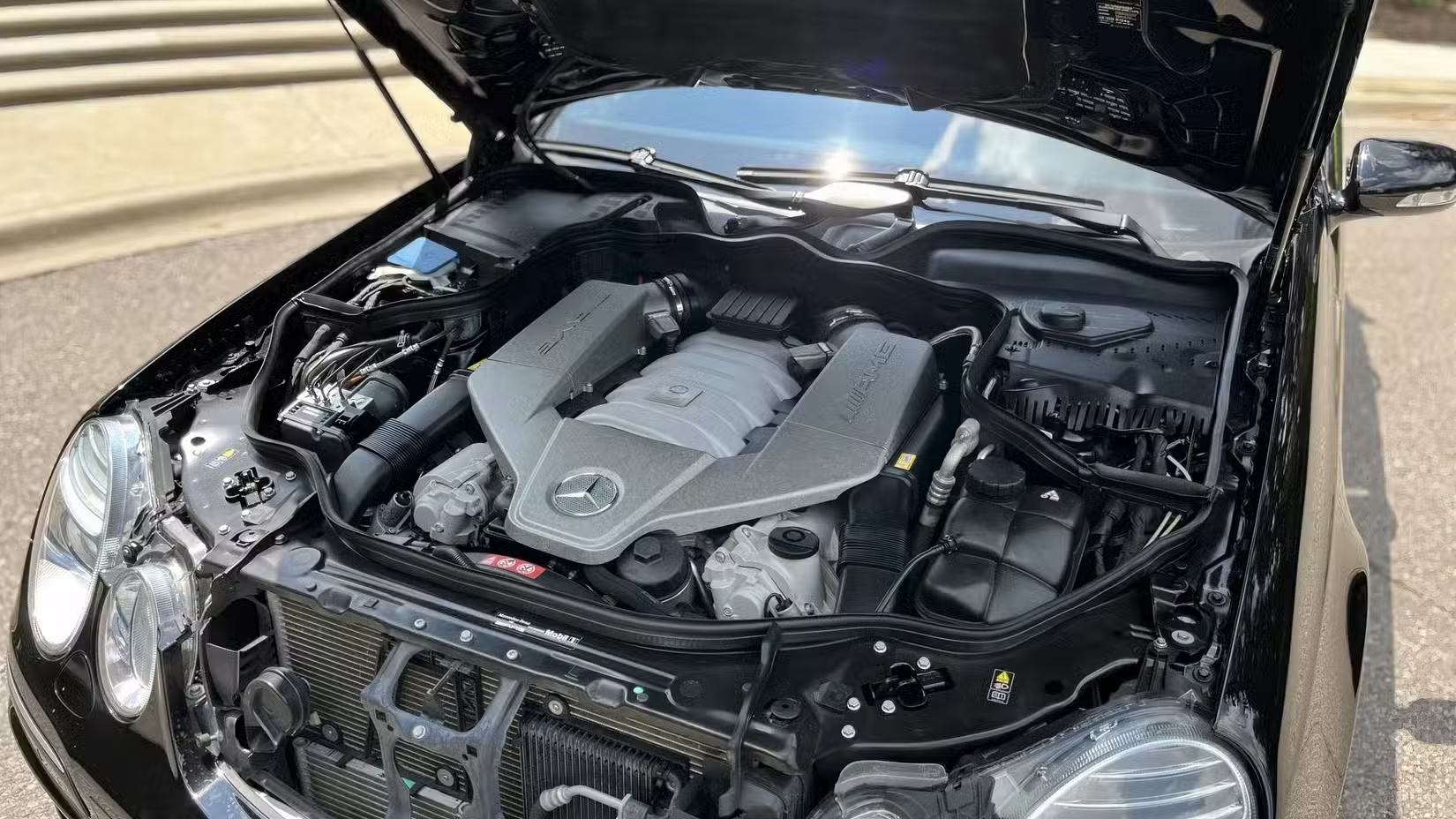
Search any M156 forum, and you will meet the head bolt story within minutes. The short version is the cylinder head bolts, which clamp the heads to the block, can lose their grip, most often on earlier engines. When they do, the head gasket can start to seep, leading to coolant loss, a rough idle, misfires or white exhaust smoke. Ignore it long enough and the engine can overheat, which is where the horror stories come from.
Here is the context those stories leave out. This is a known, diagnosable and repairable issue, not an engine-ending mystery. Independent specialists have been doing the job for years, typically replacing the bolts and gaskets, resurfacing the heads and often upgrading to stronger aftermarket fasteners.
Quotes commonly land between $4,000 and $8,000, depending on the shop, whether one bank or both is done, and what else gets replaced while the engine is open. That is not pocket change, but on a car that cost tens of thousands of dollars new, it is not a write-off either. The reputation is worse than the reality, but the reality still deserves respect.
Why The M156 Is Now A Modern AMG Collectible With Used-Buy Potential
Prices have firmed, but the M156 remains one of the better performance values on the market. These are rough ballparks, which you should verify against current listings and auction results. Well-kept W211 E63s change hands from about $20,000 to $35,000, C63 sedans from about $25,000 to $40,000, and the scarce W212 E63 a little higher still.
The C63 Black Series and CLK63 Black Series live in a different universe, with six-figure asking prices; the SLS has become a blue-chip collectible. The takeaway is straightforward: buy the best-documented example you can afford, budget for the head bolts, drive it, and enjoy it.
Sources: Mercedes U.S., Motortrend, Classic.com, KBB, FCP Euro