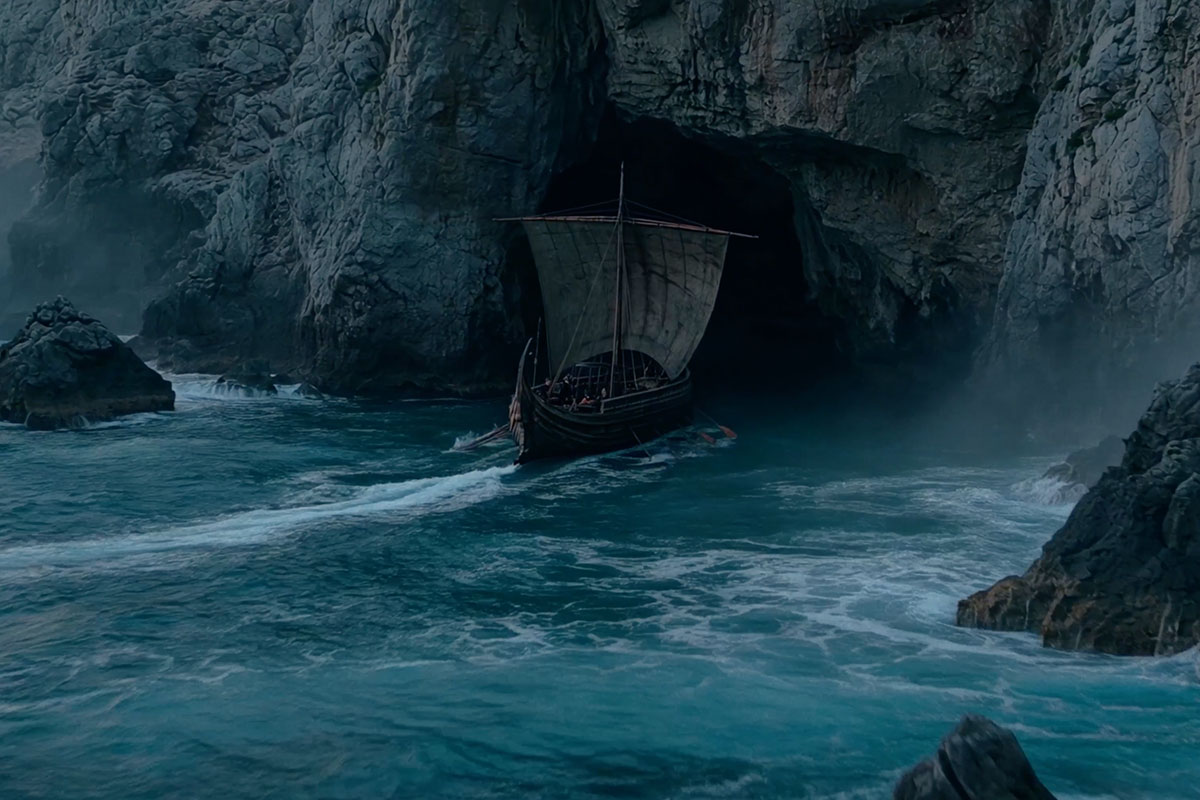
Movie monsters have haunted audiences for more than a century, evolving from shadowy figures in silent horror films into towering creatures, shape-shifting nightmares, and tragic beings who blur the line between monster and man. The greatest ones do more than frighten us. They become part of movie history, inspire generations of filmmakers, and tap into fears that remain powerful long after the credits roll.
From the Xenomorph in Alien to Godzilla, King Kong, Dracula, and the Thing, these ten movie monsters represent some of cinema’s most enduring creations. This ranking considers their impact on horror and science fiction, their visual and thematic originality, their influence on later films, and the lasting impression they’ve left on audiences. The order is ultimately subjective, but every creature on this list has earned its place in monster-movie history.
#10 – The Creature from the Black Lagoon
- Best-known film: Creature from the Black Lagoon (1954)
- Director: Jack Arnold
- Studio: Universal-International
- Monster type: Aquatic humanoid
- Why it’s remembered: A landmark Universal Monster known for its amphibious design, eerie underwater sequences, and the tension between a frightening creature and a misunderstood outsider.
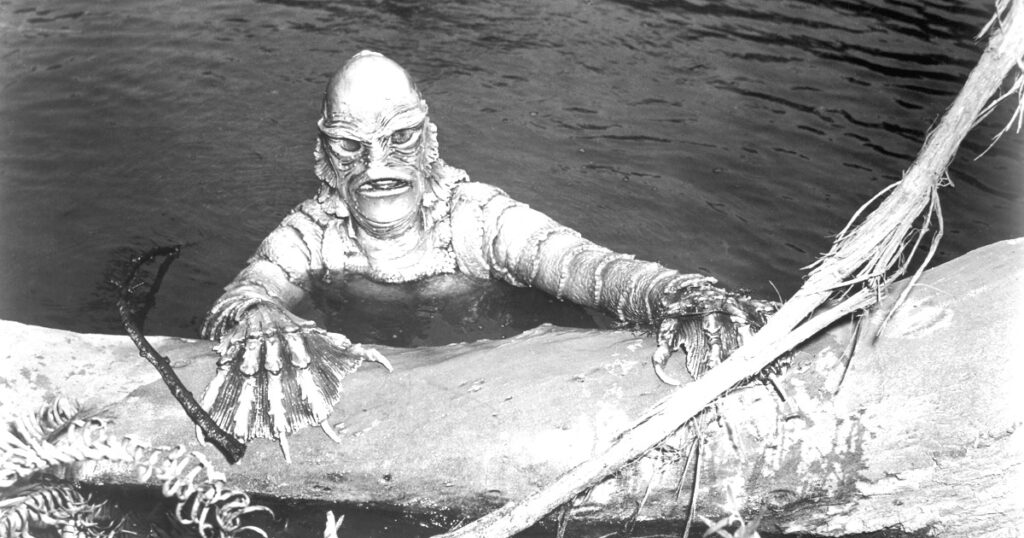
One of the most recognizable members of Universal’s classic monster lineup, the Creature from the Black Lagoon has spent far too much time out of the cinematic spotlight. First appearing in Jack Arnold’s 1954 creature feature, the Gill-man brought something different to the studio’s monster pantheon. With its webbed claws, gilled face, and alien silhouette, the amphibious humanoid truly looked like something that would be lurking in the darkest corners of an unexplored lagoon. Its underwater swimming sequences remain among the original film’s most memorable images, giving the Creature an eerie grace that makes it every bit as fascinating as it is frightening.
Like Swamp Thing and other monsters that dwell in the shadows, the Gill-man occupies the space between terrifying beast and misunderstood outsider. The character has lived on through references and homages, but that’s hardly a substitute for a proper big screen revival. I’m still surprised Hollywood hasn’t found a way to bring the Creature back in a film worthy of its legacy. Forget another predictable monster reboot; give us an atmospheric aquatic horror film that embraces isolation, primal fear, and the mystery of a world humans barely understand. Keep the Creature frightening, resist the urge to explain away everything that makes it mysterious, and let this Universal icon reclaim its place on the big screen. The Gill-man is ready to crawl out of the water again. Somebody just needs to give it the chance.
#9 – The Blob
- Best-known films: The Blob (1958) and The Blob (1988)
- Original film director: Irvin S. Yeaworth Jr.
- 1988 remake director: Chuck Russell
- Monster type: Gelatinous alien organism
- Why it’s remembered: A deceptively simple creature concept that turns an expanding, all-consuming mass into an inventive and deeply unsettling horror threat.
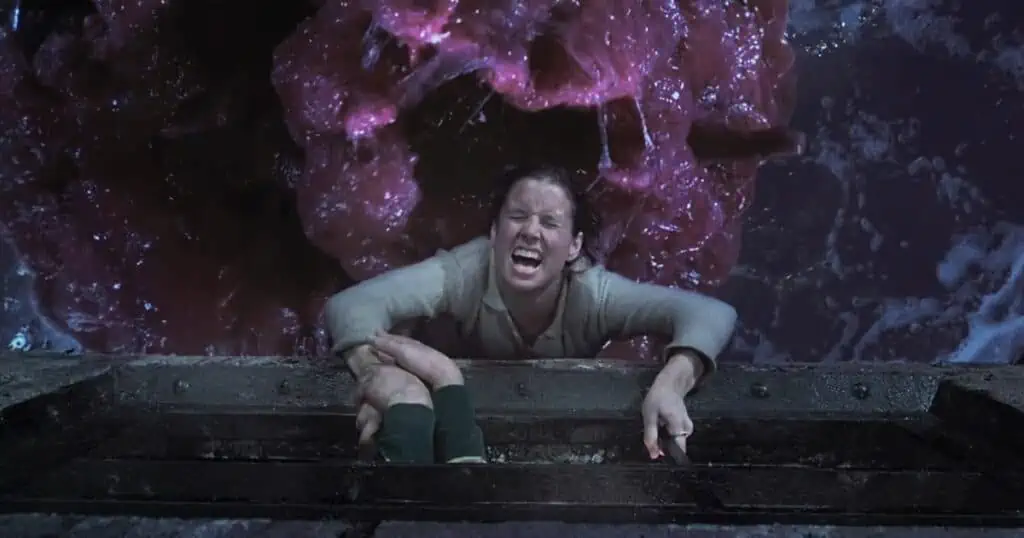
At first glance, a gelatinous blob that slowly oozes along the ground might not sound like the stuff of nightmares. Then you remember what happens when it catches you: it swallows you alive, dissolving everything in its path as it grows larger and more unstoppable. First terrorizing audiences in the 1958 original, The Blob returned in a nastier, gorier 1988 remake that took full advantage of its wonderfully disgusting premise. Unlike vampires, werewolves, or towering kaiju, this monster has no face, no personality, and no interest in anything beyond consuming whatever crosses its path. That simplicity is what makes it so effective. You can’t reason with it, intimidate it, or even predict what shape it might take next. It just keeps coming.
I’m surprised we haven’t seen another proper big screen remake of The Blob. Sure, movies like The Stuff have played with the idea of a seemingly harmless substance turning deadly, but there’s still something uniquely terrifying about watching an ordinary, creeping mass become an unstoppable eating machine. With today’s practical effects artists and visual effects technology, a new version could deliver some truly stomach-churning creature horror without losing the wonderfully ridiculous hook that made the original concept work.
#8 – The Wolfman
- Best-known film: The Wolf Man (1941)
- Director: George Waggner
- Classic portrayal: Lon Chaney Jr. as Larry Talbot
- Monster type: Cursed werewolf
- Why it’s remembered: A Universal Monster built around the tragedy of a man who fears the beast he becomes, blending supernatural horror with the anguish of losing control.
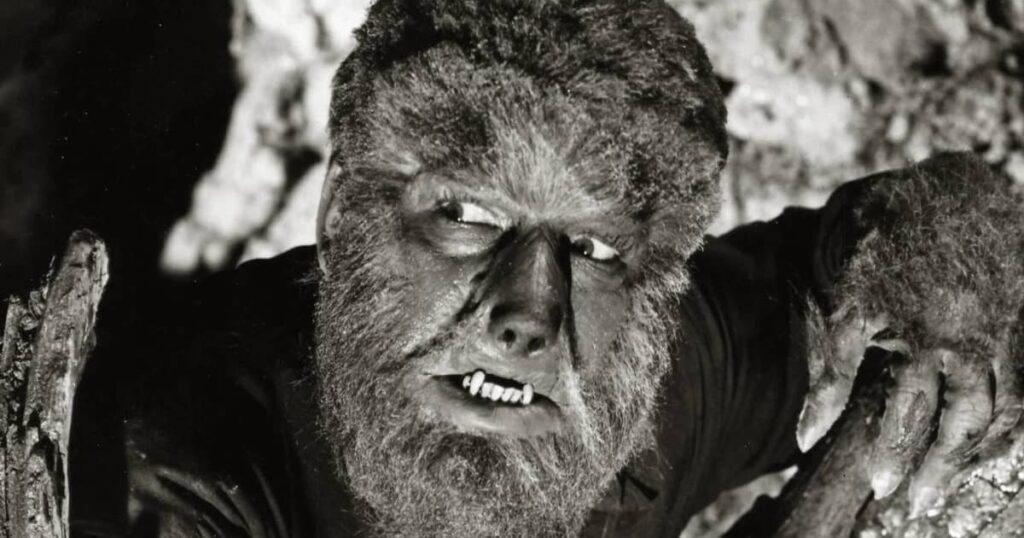
Joe Johnston’s The Wolfman and the more recent, less traditional Wolf Man have both taken swings at reviving the werewolf for modern audiences, but I’m still waiting for a film that fully embraces the classic mythology. Lon Chaney Jr.’s Larry Talbot remains one of the most compelling figures in the Universal Monsters lineup, a man whose encounter with a werewolf leaves him cursed to transform into a beast against his will. That’s the heart of the mythology, and it’s far more interesting than just watching another set of oversized fangs and claws tear through the night. Movies like Twilight and Underworld have put their own spins on werewolves, but I’d love to see Hollywood return to the psychological horror of a man terrified of what he becomes, with the full moon serving as a sentence rather than a superpower.
If Universal ever gets serious about building a connected universe around its classic monsters again, Larry Talbot should be at the center of its werewolf story. Make him the tragic hero, not just another creature to unleash in a CGI-heavy showdown, and let the horror come from his struggle to hold on to his humanity. The best werewolf stories understand that the monster isn’t frightening simply because it can kill; it’s frightening because the person trapped inside it may have no power to stop what happens next. Give us atmosphere, practical creature effects, and a genuine sense of dread, and the Wolfman could howl his way back into movie history.
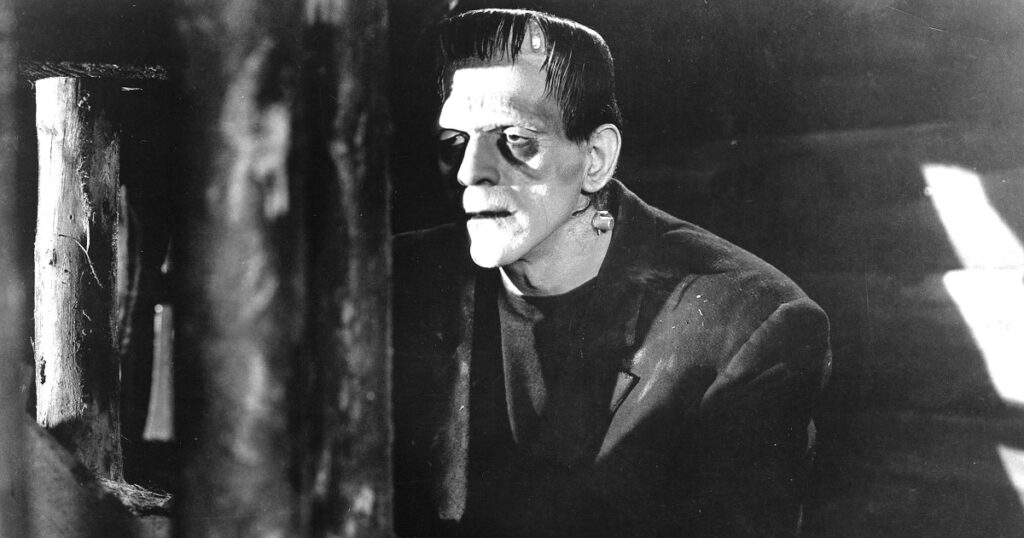
#7 – Frankenstein’s Monster
- Best-known film: Frankenstein (1931)
- Director: James Whale
- Classic portrayal: Boris Karloff as the Monster
- Monster type: Reanimated human corpse
- Why it’s remembered: An iconic horror creation whose tragic struggle for acceptance challenges the idea that the creature is the true monster.
Boris Karloff’s large, shambling Monster has been an icon of horror cinema since he first donned Jack Pierce’s legendary makeup for James Whale’s Frankenstein in 1931. Guillermo del Toro’s Frankenstein has since demonstrated just how powerful the character can be when a filmmaker understands the pathos beneath the grotesque appearance. Jacob Elordi’s Creature is a sensitive, lonely being whose desperate search for acceptance is repeatedly met with cruelty, while Oscar Isaac’s Victor Frankenstein becomes consumed by his own ambition and unwillingness to accept responsibility. It’s a welcome reminder that the Monster isn’t simply a lumbering brute to unleash on unsuspecting villagers. Sometimes, the real horror begins with the man who brought him to life.
That’s the tragedy Hollywood should keep exploring. The Monster may be terrifying to look at, but his longing for companionship and acceptance makes him one of the most sympathetic figures in the Universal Monsters lineup. Meanwhile, Victor’s ambition and lack of compassion raise the question of who the real monster actually is. Del Toro has given this classic story a powerful modern interpretation, but there’s still room for filmmakers to find their own take on Mary Shelley’s enduring creation. Get that relationship right, give the story the Gothic atmosphere it deserves, and let the horror grow out of the tragedy rather than relying on spectacle alone. Frankenstein’s Monster has endured for nearly a century for a reason: sometimes the most frightening thing about a monster is how human he really is.
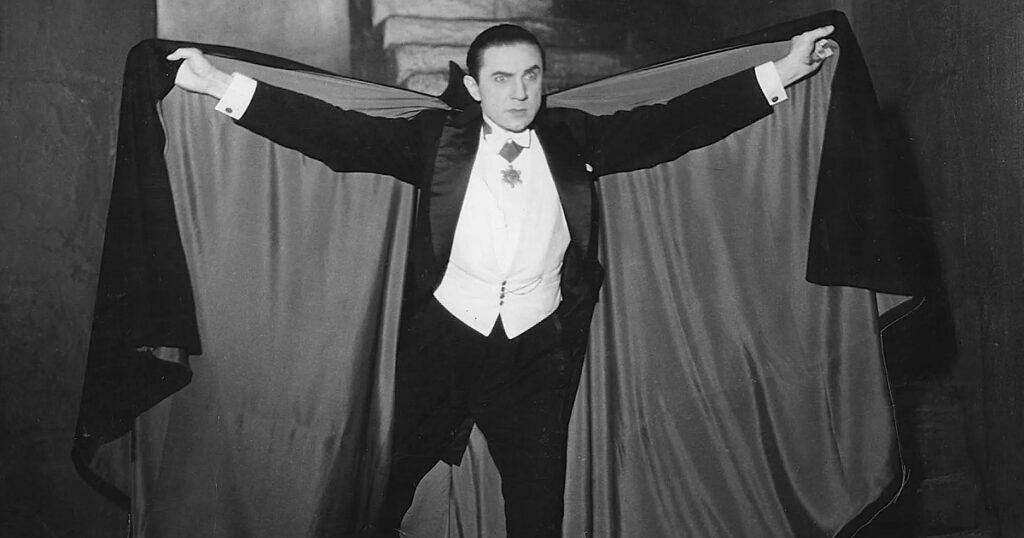
#6 – Dracula
- Best-known film: Dracula (1931)
- Director: Tod Browning
- Classic portrayals: Bela Lugosi, Christopher Lee, and Gary Oldman
- Monster type: Vampire
- Why it’s remembered: Bram Stoker’s legendary Count helped define the cinematic vampire, balancing aristocratic menace, supernatural power, and an unsettling fascination with the living.
Vampires have never really gone out of style, but Dracula himself has become a little diluted after decades of screen appearances. Bela Lugosi made the Count an icon with his hypnotic stare and theatrical menace, Christopher Lee brought a more ferocious edge to Hammer Horror’s version, and Gary Oldman delivered a flamboyant, seductive take in Bram Stoker’s Dracula. Yet somewhere along the way, the world’s most famous vampire started to feel less frightening than his reputation suggests. Robert Eggers’ Nosferatu proved that audiences can still be terrified by a vampire who feels genuinely monstrous, with Bill Skarsgård’s grotesque Count Orlok bringing back the sense of dread that made the original 1922 film so enduring. Maybe it’s time Dracula himself got that treatment again, with less emphasis on seductive immortality and more on the ancient, predatory evil lurking beneath the cape.
In fact, I’d love to see a Dracula film that pits the Count against Count Orlok, forcing two legendary interpretations of the vampire myth to fight for supremacy rather than simply preying on unsuspecting humans. It would be a wild way to bring fresh life to characters whose cinematic histories are deeply intertwined. More importantly, a new Dracula needs to remember that the character should be terrifying, not merely handsome, tortured, or misunderstood. Give him the gothic atmosphere, supernatural menace, and ruthless appetite that made him a legend in the first place, and let the audience feel that nobody is safe when the Count comes calling. Now that would be a cool take.
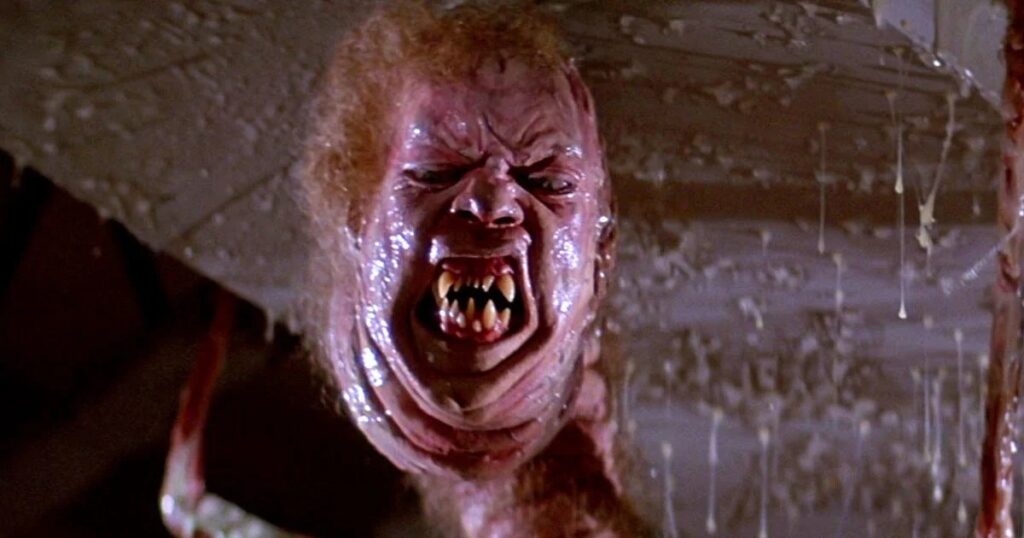
#5 – The Thing
Best-known film: The Thing (1982)
Director: John Carpenter
Classic portrayal: The shape-shifting alien brought to life through Rob Bottin’s practical effects
Monster type: Parasitic, shape-shifting extraterrestrial
Why it’s remembered: A terrifying creature that can imitate any living organism, turning a remote Antarctic research station into a nightmare of paranoia, mistrust, and grotesque body horror.
John Carpenter’s The Thing is one of the scariest movies ever made, and its monster is a huge reason why. The alien can imitate anyone or anything it encounters, meaning the person standing next to you could already be something else entirely. Then there are Rob Bottin’s legendary practical effects, which transform the creature into a succession of grotesque, unpredictable nightmares that still put plenty of modern CGI monsters to shame. The 2011 prequel brought its own gruesome transformations to the screen, but it never quite captured the suffocating paranoia and dreadful uncertainty that made Carpenter’s classic so effective. When nobody can be trusted and the monster could be hiding in plain sight, even the simplest conversation becomes a potential death sentence.
I would love to see this creature haunt the big screen again, provided Hollywood understands what makes it so terrifying in the first place. We don’t need another disposable CGI-heavy monster movie that explains away every mystery or turns the alien into a generic action villain. Give us an isolated setting, a group of people slowly losing their minds, practical effects that make audiences squirm, and that awful suspicion that the person sitting across from you might not be human anymore. The Thing doesn’t need to roar, deliver one-liners, or threaten the world to be frightening. It just needs to make us wonder who will be next, and whether there’s anything left of the person it replaces.
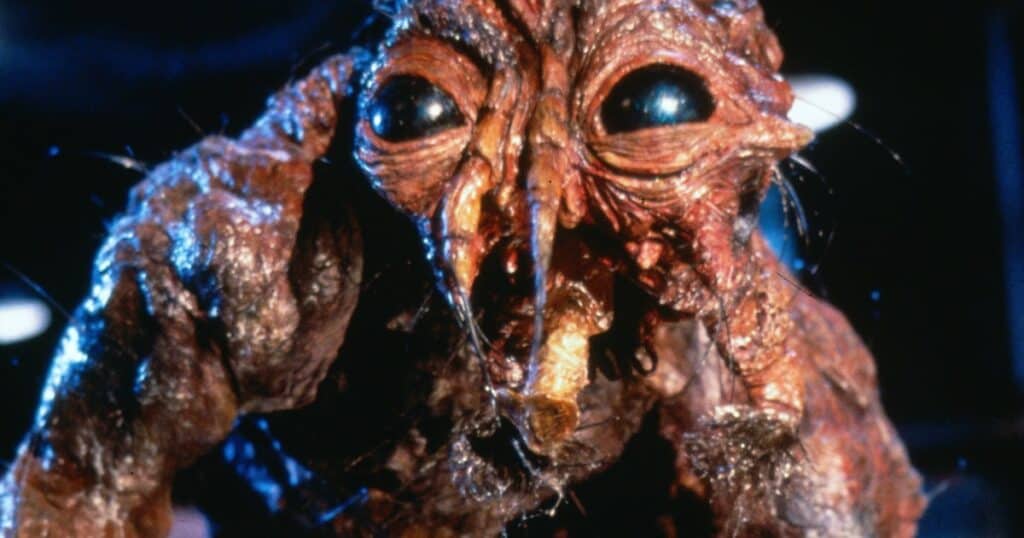
#4 – The Fly
Best-known film: The Fly (1986)
Director: David Cronenberg
Classic portrayal: Jeff Goldblum as Seth Brundle
Monster type: Mutated human-insect hybrid
Why it’s remembered: A landmark of body horror that turns a scientific breakthrough into a gruesome, deeply personal nightmare.
David Cronenberg’s remake of the classic Vincent Price horror film took the terror to a whole new level. Jeff Goldblum plays Seth Brundle, a brilliant scientist whose teleportation experiment goes horribly wrong when a common housefly enters the machine with him. What follows is a slow, horrifying deterioration as Brundle’s body and behavior become increasingly insect-like, with the effects team creating some of the most unforgettable practical makeup and creature effects in horror history. While the sequel was nowhere near as good, the iconic devolution of Goldblum’s character from scientist to Brundlefly remains one of the big screen’s most horrific transformations. Watching Brundle gradually lose his humanity is every bit as unsettling as seeing what he eventually becomes.
What makes The Fly so effective is that the monster isn’t some ancient evil lurking in the shadows or an alien threatening to destroy the world. It’s a man whose ambition leads to a nightmare he can’t reverse, and whose desperate attempts to understand what’s happening only make the situation more heartbreaking. Goldblum’s performance gives the grotesque transformation a human center, while Cronenberg pushes the physical horror to increasingly stomach-churning extremes. Plenty of movie monsters are frightening because they can tear people apart, but Brundle is terrifying because we witness every step of his destruction. There may be other great cinematic transformations, but few have matched the sheer horror and tragic power of watching Seth Brundle become the Fly.
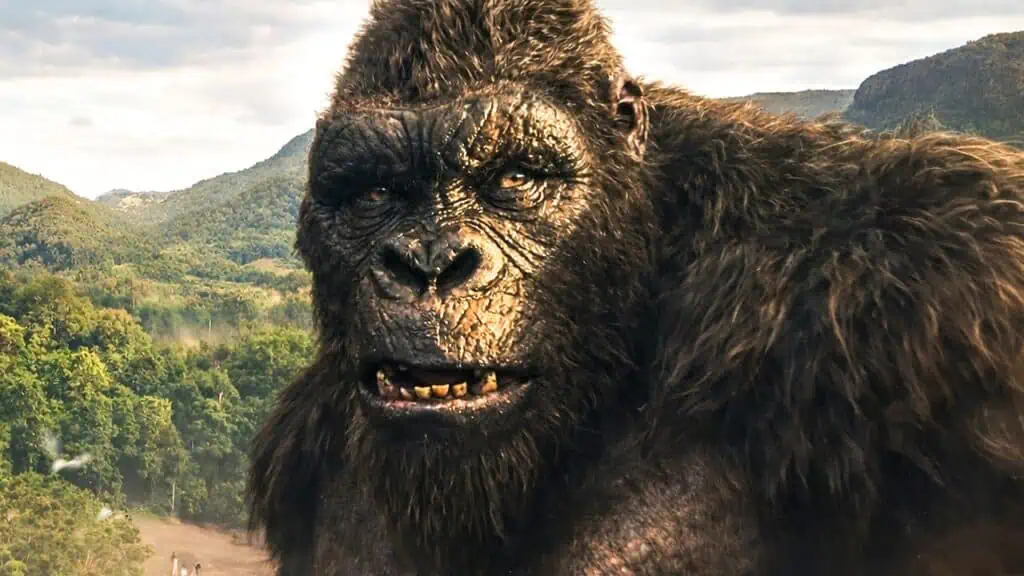
#3 – King Kong
Best-known film: King Kong (1933)
Notable modern films: King Kong (2005), Kong: Skull Island (2017), Godzilla vs. Kong (2021), and Godzilla x Kong: The New Empire (2024)
Monster type: Giant ape
Why he’s remembered: A towering force of nature whose mix of destructive power, animal instinct, and tragic humanity has made him one of cinema’s most enduring monsters.
Kong: Skull Island did a damn fine job of making Kong a viable monster to root for, but make no mistake: he is still a monster. While I enjoyed Peter Jackson’s King Kong, I felt that it humanized the giant ape so much that we lost some sense of what the creature represented. The original 1933 film made Kong a terrifying spectacle, a force of nature ripped from his own world and unleashed upon civilization, and that primal power is a huge part of his appeal. The newer incarnation strikes a balance, presenting Kong as a majestic and often sympathetic creature who can still tear through anything that threatens him or his territory. His appearances in Godzilla vs. Kong and Godzilla x Kong: The New Empire have only reinforced his status as one of the MonsterVerse’s biggest heavy hitters.
What makes Kong such an enduring movie monster is that he can inspire awe, sympathy, and genuine fear without losing his identity as a colossal beast. He isn’t simply a misunderstood giant who needs a hug, nor is he an evil creature that must be destroyed. He’s an animal fighting to survive in a world that keeps bringing him into conflict with humanity and other monsters. That’s the sweet spot: let us root for Kong, but never forget what he’s capable of when he gets angry. Give him room to be frightening, unpredictable, and spectacular, and the King will continue to rule the big screen.
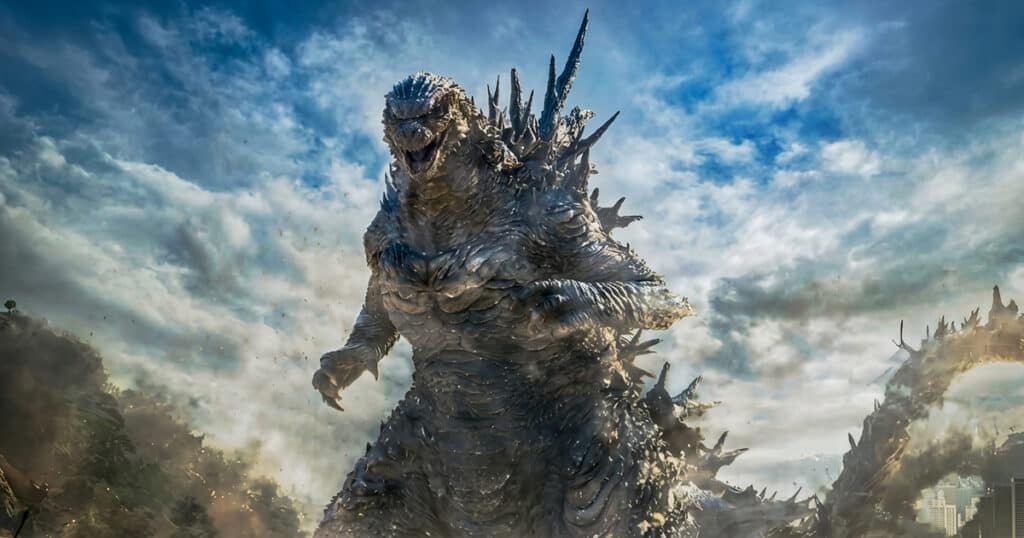
#2 – Godzilla
- Best-known film: Godzilla (1954)
- Notable modern films: Godzilla (2014), Godzilla Minus One (2023), Godzilla vs. Kong (2021), and Godzilla x Kong: The New Empire (2024)
- Monster type: Giant radioactive reptile
- Why he’s remembered: A cinematic icon who can represent humanity’s worst fears, an unstoppable force of destruction, or a terrifying protector in a world filled with monsters.
Gareth Edwards rebooted Godzilla for American audiences in 2014, and the giant reptile has since gone on to battle Kong and a whole army of other monstrous adversaries. But Godzilla’s legacy stretches back to the original 1954 Japanese classic, and the character has transcended being just a man in a rubber suit stomping through miniature cities to become something intrinsic to the fabric of cinema history. Godzilla can be friend or foe, a force of nature or humanity’s last hope against something even worse, but he is always terrifying and awe-inspiring. The MonsterVerse has embraced the spectacle of giant creatures battling for supremacy, while Godzilla Minus One reminded audiences that the King of the Monsters can still deliver a devastating story about fear, destruction, and the human cost of surviving in his shadow. Few movie monsters have proven so adaptable without losing the power that made them legendary in the first place.
What makes Godzilla such an enduring icon is that he can mean so many different things without ever becoming less monstrous. That flexibility has allowed filmmakers to reinvent him across generations, from the dark allegory of the original film to the spectacular kaiju battles of modern blockbusters. I want to see Godzilla continue to inspire that same mixture of dread and wonder, whether he’s flattening a city or squaring off against Kong. Godzilla may occasionally be humanity’s ally, but he is never something we should take lightly. When the King of the Monsters arrives, the world had better pay attention.
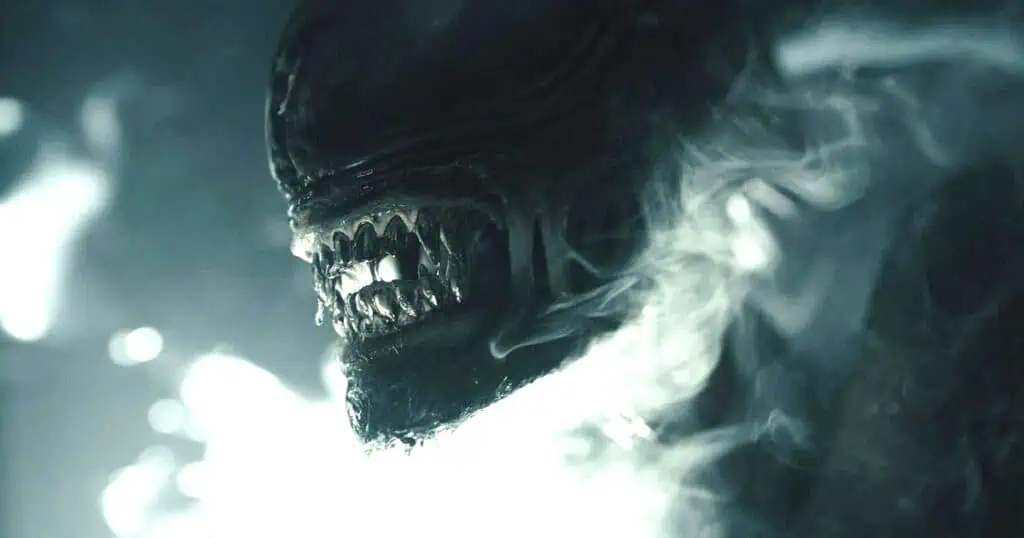
#1 – Xenomorphs
- Best-known film: Alien (1979)
- Director: Ridley Scott
- Iconic design: H. R. Giger
- Monster type: Parasitic extraterrestrial
- Why they’re remembered: Nightmarish biomechanical creatures whose life cycle, acid blood, and relentless predatory instincts make them among cinema’s most terrifying monsters.
From their eyeless faces and acid blood to their snapping inner jaws, the Xenomorphs are the definition of cinematic horror. First unleashed on audiences in Ridley Scott’s Alien, these extraterrestrial beasts became instant nightmares, nearly perfect killing machines lurking in the darkness of a spaceship where nobody could hear their victims scream. H. R. Giger’s biomechanical design remains one of the most awe-inspiring creations in movie history, making the creatures look simultaneously organic, mechanical, and utterly unnatural. Whether stalking a terrified crew in the original film or overwhelming heavily armed Colonial Marines in Aliens, the Xenomorph is a monster that never needs to explain itself. Its presence alone is enough to make you dread what might be waiting around the next corner.
The franchise has continued to explore the creatures in films like Alien: Romulus and the television series Alien: Earth, but the Xenomorphs’ greatest strength remains the same: they are predators with no interest in negotiation, mercy, or understanding humanity. They don’t need tragic backstories or sympathetic motivations to be compelling. They simply hunt, breed, and kill, turning even the most advanced human technology into a collection of useless metal corridors. That’s what makes the Xenomorph such a perfect movie monster. It taps into the fear of being hunted by something stronger, faster, and far more suited to survival than we are. Hollywood can keep expanding the Alien universe, but as long as filmmakers remember that these creatures should inspire genuine terror rather than become just another disposable CGI adversary, the Xenomorphs will remain the undisputed kings of cinematic nightmares.
The post Top 10 Greatest Movie Monsters of All Time appeared first on JoBlo.