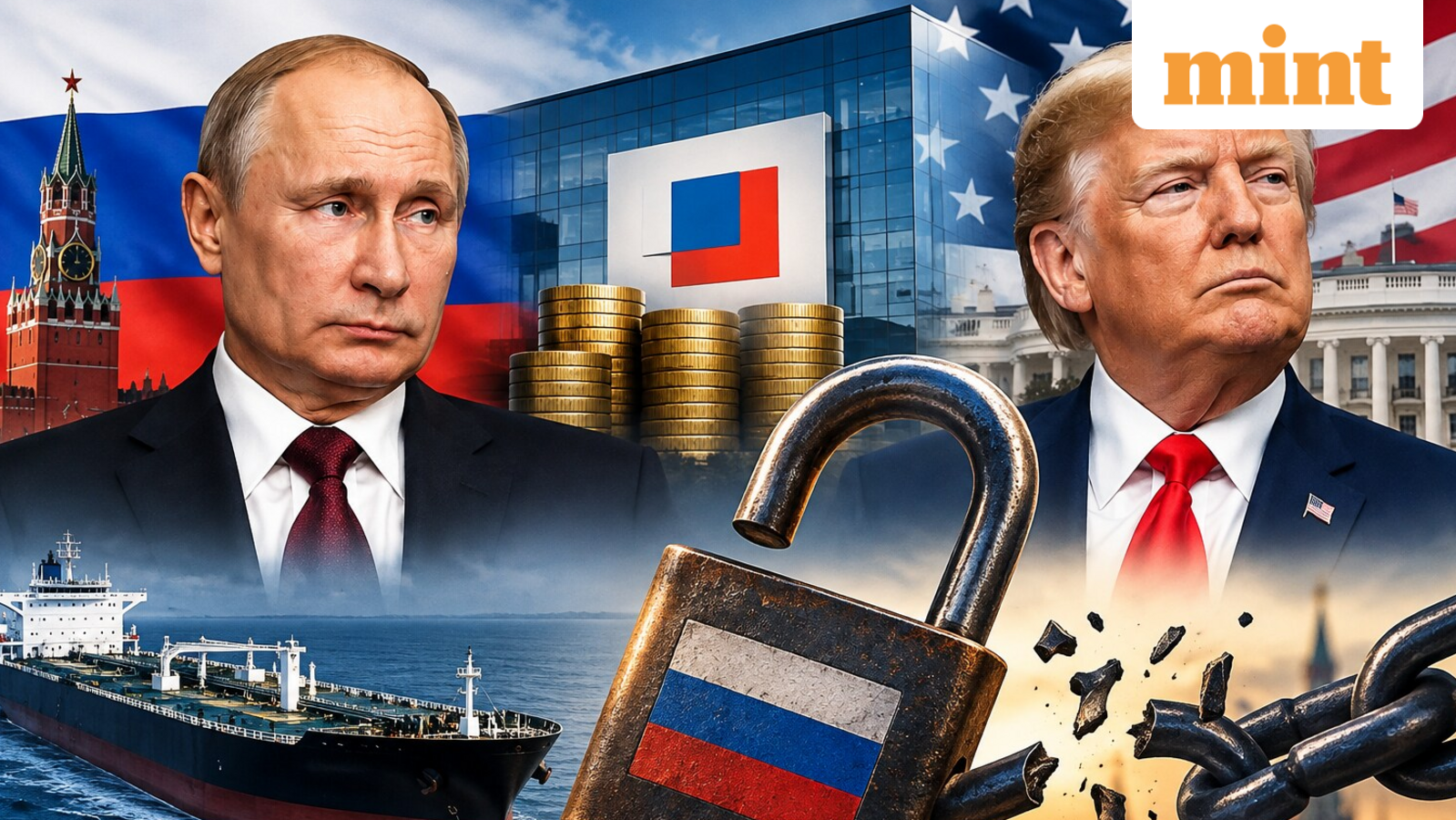
The Trump administration is considering lifting sanctions on Russia’s multibillion-dollar sovereign wealth fund, the Russian Direct Investment Fund (RDIF), as Washington explores business deals with Moscow alongside efforts to end the war in Ukraine.
The move could mark a significant shift in US policy towards Russia, potentially easing economic pressure on the Kremlin while giving Moscow greater scope to pursue international investments and business partnerships.
What is Russia’s sovereign wealth fund?
The Russian Direct Investment Fund is a government-backed investment fund that has invested billions of dollars in Russian companies, often alongside investors from the Middle East and elsewhere. It has also sought to expand Russia’s global influence through international investment partnerships.
The Biden administration imposed sanctions on the fund days after Russia invaded Ukraine in 2022. US officials described it as “a slush fund” for Russian President Vladimir Putin and “emblematic of Russia’s broader kleptocracy.”
Eric Green, who oversaw Russia policy at the White House National Security Council at the time, said, as reported by The New York Times, targeting the fund was an early priority because its access to the Western financial system could help Russia finance the war.
Why does Trump want to lift sanctions?
The Trump administration views business negotiations with Russia as a potential way to improve bilateral relations and encourage Putin to end the war in Ukraine.
A US official confirmed that the administration was assessing the fund’s application through established procedures as part of an effort to “improve U.S.-Russia relations and help end the war.”
The fund’s chief, Kirill Dmitriev, has emerged as a key Russian economic envoy in talks with Washington. Trump’s special envoy Steve Witkoff praised him, telling Putin: “It’s been really, really good dealing with Kirill.”
The administration’s approach centres on the possibility that commercial agreements could demonstrate the benefits of a closer relationship with the United States. Critics, however, argue that sanctions relief risks giving Moscow economic benefits without securing concessions on Ukraine.
Green said lifting sanctions would send “a real strong message that we are relaxing the previous position that we weren’t going to relax the economic sanctions and other costs until there was a settlement in Ukraine.”
What does Moscow gain?
Russia stands to gain from improved access to international financial channels, expanded investment opportunities and greater scope for business partnerships. The fund has also become involved in efforts to ship Russian diesel to the United States.
Russian officials said three tankers carrying Russian diesel had set sail for the US this month, with Deputy Prime Minister Aleksandr Novak citing the fund’s “significant support”.
Dmitriev has sought sanctions relief for his fund while helping arrange the diesel deal, according to people familiar with the negotiations. The US Treasury Department, however, maintains that the October 9 suspension of sanctions already permits the relevant diesel transactions.
The fund must still demonstrate that the reasons for its original designation no longer apply to secure full sanctions removal.
Dmitriev has argued that the deals could change American attitudes towards sanctions, saying: “Sanctions are, in principle, philosophically wrong.”

