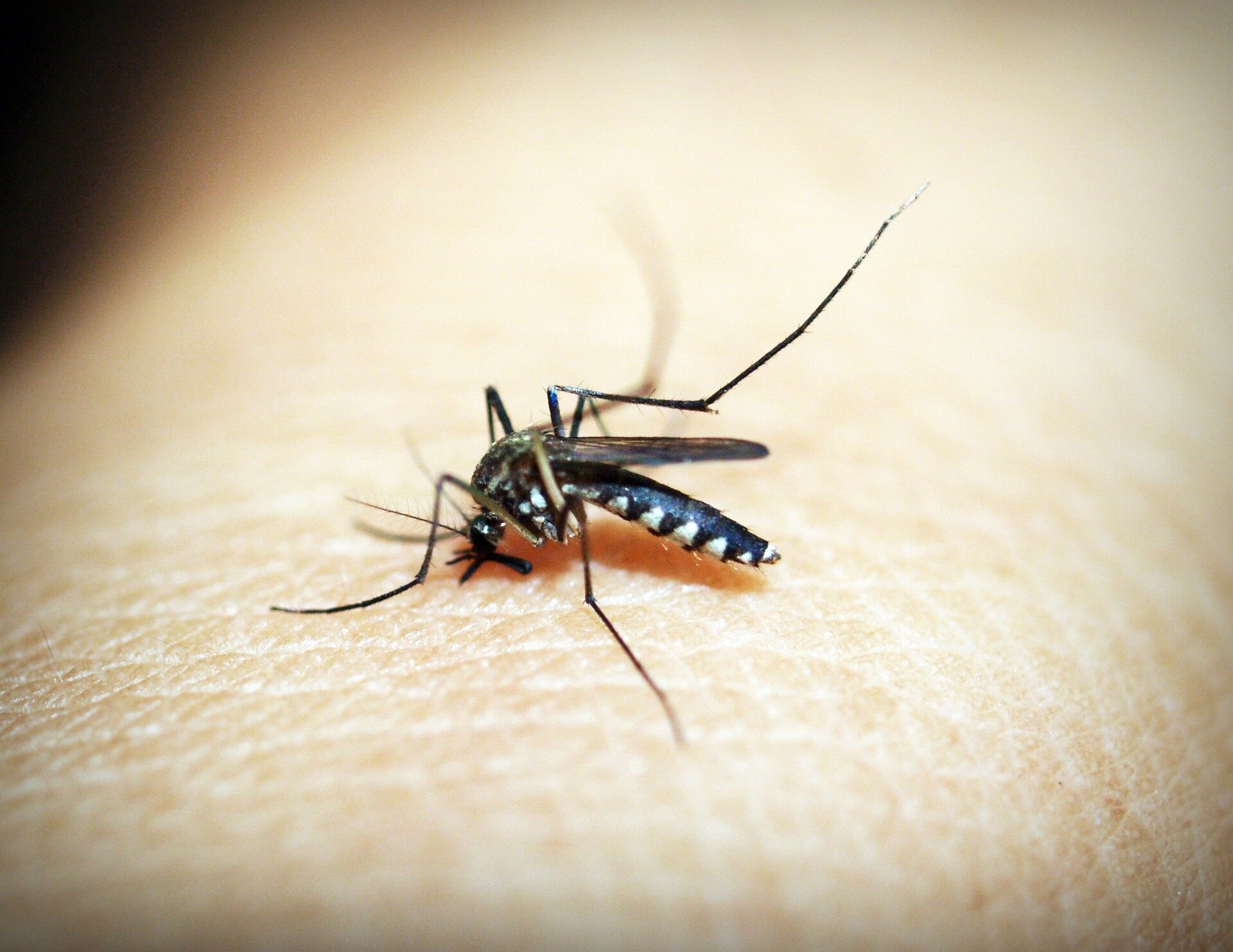
Dengue cases in Florida keep climbing about a month after three counties declared states of emergency over the mosquito-borne illness.
As of Oct. 22, Florida had reported 721 dengue cases this year, according to the U.S. Centers for Disease Control and Prevention (CDC). That count includes people who caught the virus in the state and those infected while traveling.
That’s nearly double the 392 cases the state logged in September, The Washington Post reports.
Hillsborough County, which includes Tampa, remains at the center of the outbreak. Cases there have almost doubled since September, The Post reports. New cases have also turned up in Orange, Broward and Miami-Dade counties.
Ira Longini, a University of Florida professor who studies how infectious diseases spread, said he wasn’t surprised.
“It was just a matter of time,” he told The Post.
Longini explained that climate change is boosting mosquito numbers and extending the months when they’re active. That’s helping dengue spread worldwide.
Cooler, drier weather could slow or stop the virus from spreading, he said. But any break may be short-lived.
“If it warms up and there’s more rain, then it’ll come back,” Longini said.
Nationwide, the CDC reports 2,470 dengue cases in 2026, mainly in Puerto Rico, Florida and American Samoa.
Most people infected with dengue don’t get sick. About 1 in 4 develop symptoms, according to the CDC.
The most common sign is a fever along with aches and pains (often behind the eyes), nausea, vomiting or a rash. Symptoms usually last two to seven days, and most people recover in about a week.
But dengue can turn dangerous within hours. About 1 in 20 people who get sick develop severe dengue, which can lead to shock, internal bleeding and death.
Nationwide, CDC data show that about 43% of people who caught dengue locally this year were hospitalized.
A blood test can confirm dengue, but doctors may treat it based on symptoms alone. The CDC urges anyone with symptoms who lives in or recently visited a dengue-risk area to see a health care provider.
Warning signs of severe dengue usually appear a day or two after a fever goes away, the CDC says. Anyone with these signs should get to a clinic or emergency room right away:
- Belly pain or tenderness
- Vomiting at least three times in 24 hours
- Bleeding from the nose or gums
- Vomiting blood, or blood in the stool
- Feeling extremely tired, restless or irritable
To help slow the outbreak, Longini stressed the need to eliminate mosquito breeding sites. This includes small pools of standing water, such as water that collects in old tires and plastic containers.


© 2026 HealthDay. All rights reserved.
Citation:
Florida dengue cases nearly double a month after emergency declared (2026, October 26)
retrieved 26 October 2026
from https://medicalxpress.com/news/2026-10-florida-dengue-cases-month-emergency.html
This document is subject to copyright. Apart from any fair dealing for the purpose of private study or research, no
part may be reproduced without the written permission. The content is provided for information purposes only.