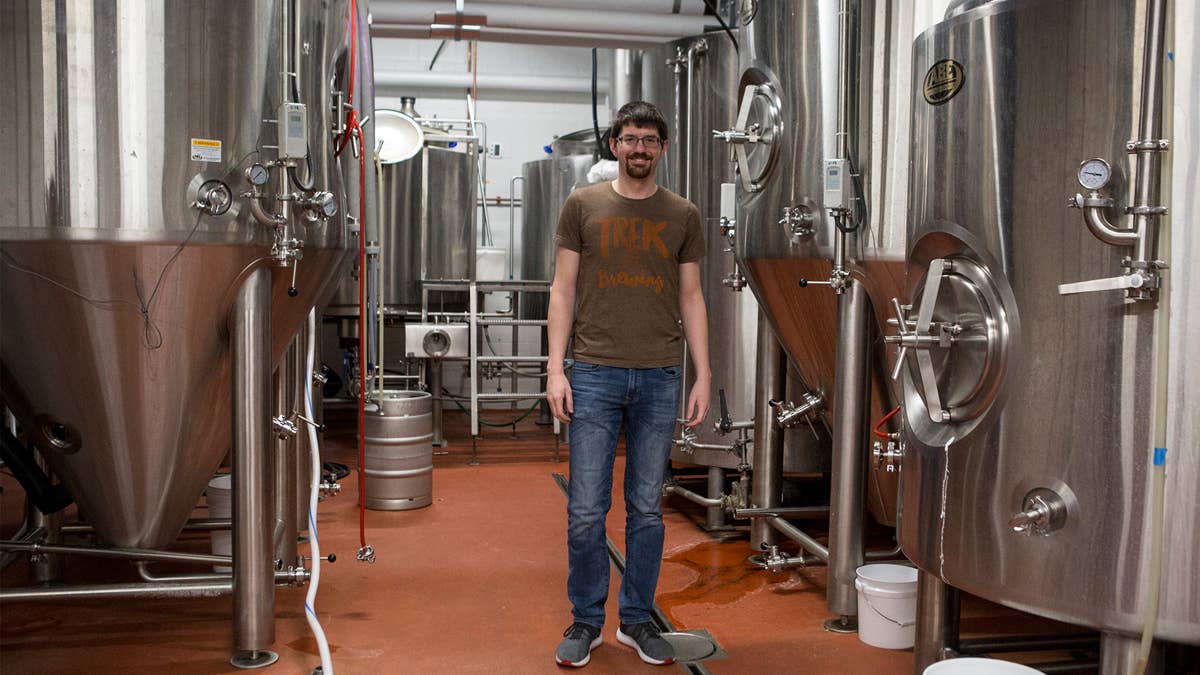
For John Ream, an Ohio engineer who spent years brewing beer at home, making whiskey seemed like a natural next step. His wife had introduced him to homebrewing by buying him a starter kit, and he enjoyed the combination of science, experimentation, and creativity. Distilling spirits, however, presented a legal obstacle dating back more than 150 years.
Now, the US Supreme Court is preparing to consider whether the federal government has the constitutional authority to prohibit Americans from distilling liquor in their homes, potentially reshaping the boundaries of federal power and taxation.
According to CNN’s John Fritze, the justices agreed on October 19, 2026, to hear the Trump administration’s appeal in a case involving the Hobby Distillers Association and individual home distillers. The court also put Ream’s separate appeal on hold, leaving its eventual outcome tied to the broader dispute.
Ream told CNN, “I would like to take the same skills that I’ve learned and try my hand at distilling.” He says he has no intention of selling his creations.
The controversy, however, extends well beyond a hobbyist’s desire to experiment with homemade whiskey. It raises a constitutional question: how far can Congress go when regulating private activities to enforce its taxing powers?
The 1868 Law That Could Cost You Your Home
Federal law prohibits distilling spirits in a “dwelling house,” shed, or yard. Violations can carry criminal fines, up to five years in prison and forfeiture of the property involved. One member of the Hobby Distillers Association reportedly received a warning letter from the Alcohol and Tobacco Tax and Trade Bureau threatening a $500,000 fine.
The government’s justification dates to the nation’s long history of taxing alcohol.
Federal excise taxes on distilled spirits were revived in the 19th century to help finance the Civil War. According to the Justice Department, banning home distilling makes those taxes easier to enforce because authorities can inspect commercial operations more effectively than private premises.
In court filings, the administration argued that a distiller could more easily conceal production or obstruct inspections when operating a still inside a home or an attached structure.
The government collected approximately $6 billion in revenue from the relevant tax in 2024, underscoring the continuing fiscal importance of alcohol taxation.
Ream and his fellow challengers dispute the historical justification. They argue that commercial distributors evading taxes, sometimes through bribery of revenue agents, posed a greater problem than household distillers. They also contend that the 1868 restriction reflected political compromises with the temperance movement.
Robert Alt, president of The Buckeye Institute, which represents the challengers, told CNN: “There’s not much in the record that supports their theory that the home distilling prohibition had anything to do with tax evasion.”
Alt described the restriction as “probably a political logroll,” suggesting lawmakers used the prohibition to appease opponents of alcohol while changing the tax system.
Founding Fathers, Whiskey Rebellion, and Constitutional Limits
The challengers also have history on their side, at least in one important respect: early American political leaders were familiar with home distilling.
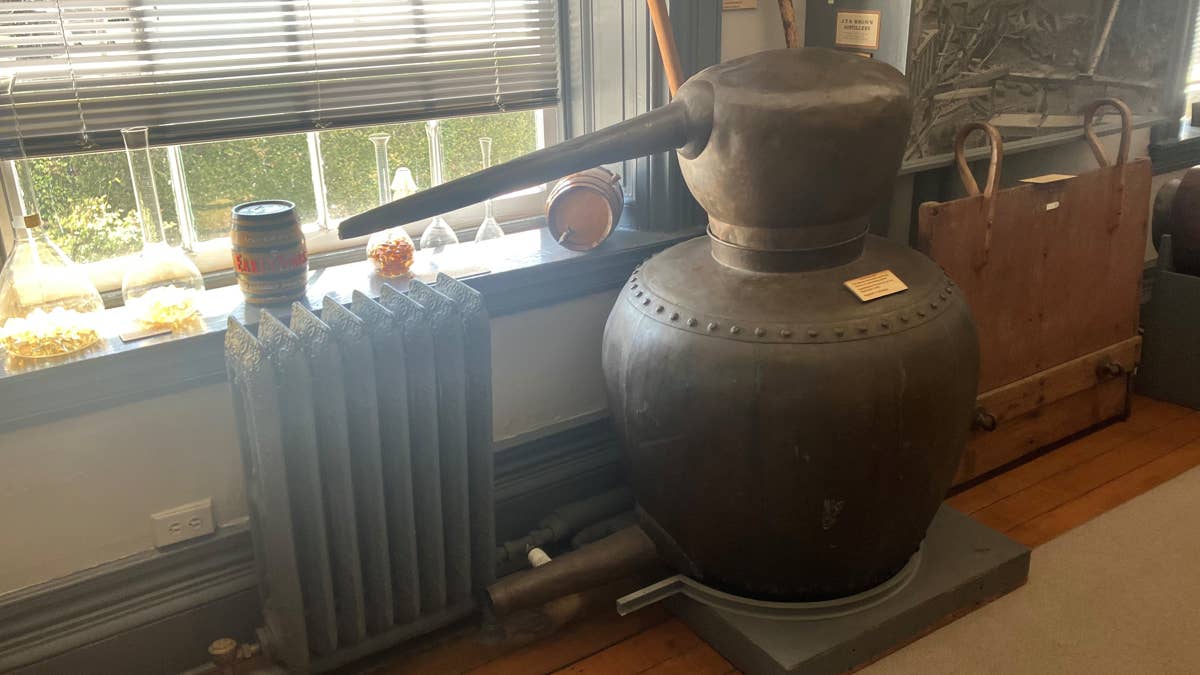
Maggie Menderski/Courier Journal / USA TODAY NETWORK via Imagn Images
George Washington operated a commercial distillery at Mount Vernon, Virginia, which visitors can still explore today. Ironically, Washington also led the federal response to the Whiskey Rebellion of 1794, when western Pennsylvania farmers resisted a federal excise tax on whiskey. His experience illustrates the longstanding tension between the government’s desire to collect revenue and citizens’ resistance to alcohol taxation.
The constitutional dispute concerns Congress’ Necessary and Proper Clause, which permits lawmakers to enact measures needed to exercise their expressly granted powers. The government argues that preventing home distilling is a legitimate way to enforce federal taxation. The challengers counter that the power to tax does not automatically authorize Congress to prohibit an otherwise private activity.
The 5th US Circuit Court of Appeals sided with the challengers, finding that the prohibition violated the Necessary and Proper Clause. The 6th Circuit upheld the ban, reasoning that alcohol presents distinctive enforcement challenges. As that court observed, “rules concerning alcohol more generally are unique as to the evasion that often accompanies them.”
The Supreme Court’s decision could therefore settle a significant disagreement between federal appeals courts.
Safety is another argument. Courtney Armour, chief legal officer of the Distilled Spirits Council, told CNN that the organization “appreciates the enthusiasm” of hobbyists but warned that distillation can cause “explosion, burns, fires, and more.” Improperly produced liquor, she added, can cause blindness or death, potentially endangering neighbors as well as distillers.
The court is expected to consider the Justice Department’s case next year. Its ruling could influence Ream’s separate challenge, which also questions Congress’ authority under the Constitution’s Commerce Clause.
In the meantime, homemade whiskey remains federally prohibited in the circumstances covered by the law. The justices must decide whether a prohibition inherited from the 19th century is a necessary instrument of taxation or an unconstitutional expansion of federal power into private homes.

