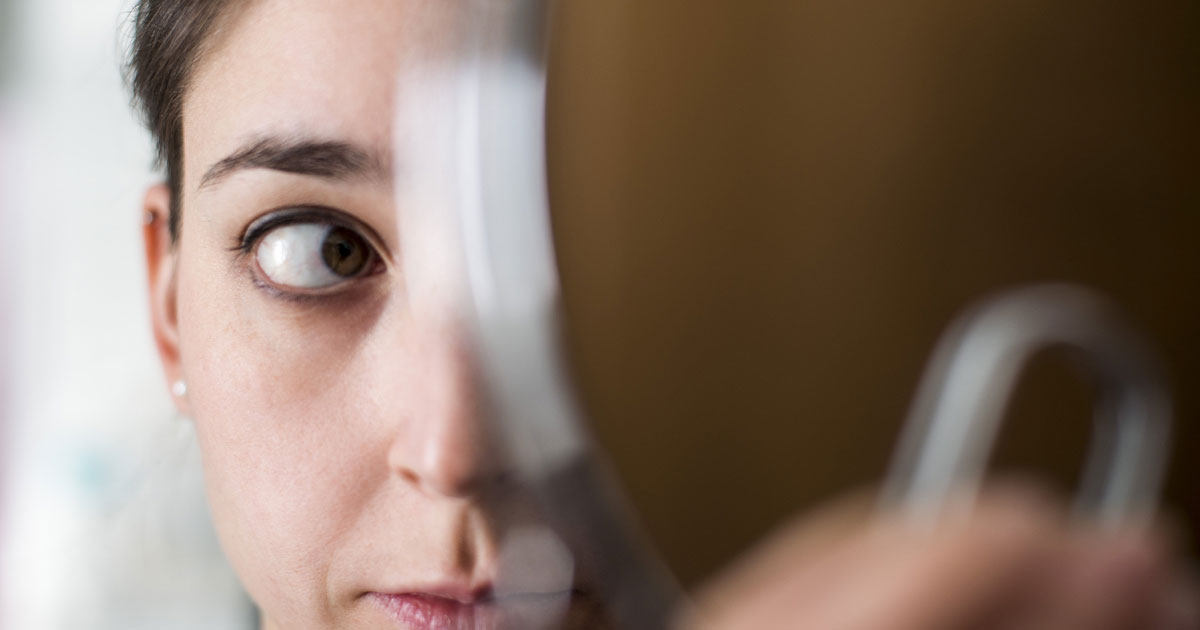
For starters, ferritin face isn’t an official medical diagnosis. It’s a social media term used to describe physical changes that may accompany low iron stores. “Low ferritin doesn’t change face shape or bone structure, but it may affect one’s skin tone,” says Dr. Lester. “This may appear as a pale complexion that has lost some of its radiance. Or more visible dark circles due to paleness. ”
Dr. London agrees that iron deficiency can influence the appearance of your skin, explaining that iron plays an important role in cellular energy production, tissue oxygenation and processes involved in collagen synthesis. When iron levels are insufficient, the body prioritizes essential functions over less critical processes, which may contribute to changes in skin and hair health.
However, low iron doesn’t automatically mean your skin will look gray, your under-eyes will appear hollow or your face will age overnight. And although pallor, or paleness, is a recognized sign of iron deficiency, many of the more specific cosmetic changes attributed to ferritin face haven’t been established as reliable indicators of low ferritin. In fact, Dr. London cautions that people frequently mistake normal facial aging for iron-related changes.


