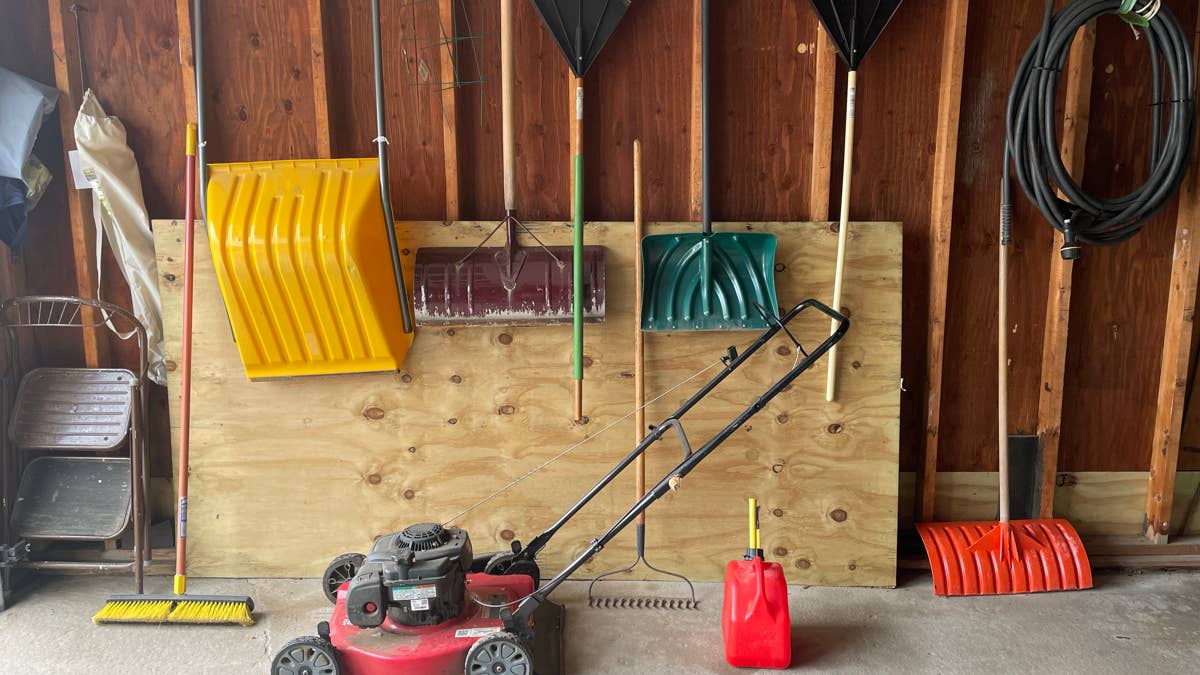
Once you wrap up the final cut of the season, resist the urge to just roll your mower straight into the garage or shed. Putting in about an hour of maintenance now ensures your machine fires up on the very first pull come spring. To help you tackle the job correctly, we spoke with Josh Branson, owner of Greensboro, North Carolina-based repair shop The Mower Guy, to break down the essential steps for winterizing a lawnmower.
How to Winterize a Gas Lawn Mower in 7 Essential Steps
1. Replace the Spark Plug Every Fall
Spark plugs deteriorate over the mowing season, making it harder to start the engine, hurting fuel efficiency, and causing engine misfires that can put added strain on the engine. “I would change spark plugs every year,” Branson says. “It’s cheap maintenance.”
When choosing a spark plug, make sure to select one that’s compatible with your mower by checking the manual. Branson also recommends quality brands over bargain options. “Buy quality spark plugs,” he says. “You want to get a brand like NGK, or Briggs and Stratton, or Champion.” They may cost a few dollars more, but they’re worth it.
2. Scrape the Deck and Spray a Protective Shield
Over a season of mowing, grass clippings will build up on the mowing deck’s underside, especially if you mow when the grass is wet. Start by turning the mower onto its side, so you can access the underside of the deck.
“When you lay your mower down, be sure to lay it on the muffler side (with the air filter facing up),” Bransons says. “Don’t lay it on the air filter side or you get all the oil and gas leaking out into the carburetor and air filter.”
Once the mower is on its side, use a scraper to remove the grass. Once clean, Branson recommends spraying the underside of the deck with a light coating of WD-40 or cooking oil to create a moisture barrier that will protect the deck from corrosion while it’s in storage.
3. Sharpen or Replace the Cutting Blade
While the mower is on its side, remove the blade and check for any damage, cracks, or wear. Sharpen the blade or replace it if it’s worn out or damaged. Block the blade with a piece of wood so you can loosen the bolt. Sharpen the blade using a file, making sure to maintain the original bevel on the blade. Reinstall the blade, making sure it is oriented properly.
After replacing the blade, flip the mower back on its wheels.
Related: How to Prepare Your Lawn for Winter: 7 Things Experts Say You Should Do Now
4. Drain and Replace the Old Engine Oil
Oil breaks down over a season of mowing, collecting dirt, moisture, and any byproducts from the combustion process. “That old oil has corrosion and metal particles in it,” Branson says. He recommends changing the oil prior to storing the mower for the winter to protect the engine’s internal parts, including its cylinders, crankshaft, and bearings.
Start the engine to warm up the oil, so it drains more easily. Empty the old oil by tipping it on its side, making sure the air filter is face up, and draining the oil into a drain pan. Turn the mower right side up, and fill it with fresh oil that meets the specifications in the owner’s manual.
There is a caveat here. Many newer walk-behind mowers have specialized engines that never require an oil change. For this type of mower, simply check the oil level and top it off if needed.
5. Clear or Stabilize the Fuel Tank
Stale fuel is one of the number one threats to small engines. Old fuel creates gummy deposits that clog the engine, which can make it difficult or impossible to start come spring.
Branson recommends treating the fuel with a fuel treatment like Marvel Mystery Oil. “Put about a capful in the gas tank, crank it up and let it run until the tank’s dry,” he says. By running the engine, the oil will clean out deposits, remove carbon buildup, and lubricate the cylinder, fuel pumps, and injectors. The oil also leaves a thin layer on the engine’s internal components, protecting them from corrosion during the months of storage.
You can add fuel stabilizer to the tank to preserve the gas if you don’t want to run the engine dry. Many small engine manufacturers, including Briggs & Stratton and Honda, recommend filling the tank with fresh stabilized fuel, then running the engine for a few minutes to circulate the treated fuel through the carburetor.
Branson prefers running the tank dry before putting it into storage. “(Adding stabilizer) will stabilize (the fuel) a little bit, but it won’t do what Marvel Mystery Oil does,” he says. He also warns that temperature changes while the mower is in storage will cause condensation to form on the walls of the plastic fuel tank, contaminating any fuel left inside it.
6. Protect Control Cables From Winter Rust
The cables that run from the handlebar to the engine can collect moisture while in storage and rust. When you take the mower out in the spring, those corroded lines can snap, putting your mower out of commission. Branson says you can protect those cables from corrosion with a penetrating oil like WD-40. Squirt a little oil in the top opening of the plastic casing that surrounds the cable. The oil will run down the plastic tubing, coating the cable with a layer of oil that will protect it from moisture while it’s in storage.
7. Clean or Swap Out Clogged Filters
Your mower’s air filter prevents dirt, clippings, and dust from finding its way into the engine. Over the mowing season, it gets clogged with that debris, eventually slowing the flow of oxygen into the combustion chamber, which hurts engine performance. Remove the cover holding the air filter, and check it to see if it’s dirty. If the mower has a foam air filter, clean it if it’s still in good condition. If the foam filter is worn out or if the mower uses a paper air filter, replace the entire filter.
Related: How Bad Does a Lawn Have to Look Before You Should Replace It? Lawn Pros Weigh In
How to Winterize an Electric or Battery-Powered Mower
Battery-powered lawn mowers require much less maintenance than gas models, but they still require attention before temperatures drop.
- Remove the battery pack immediately to prevent accidental starts while handling the machine
- Store the lithium-ion battery in a climate-controlled space between 40 and 75 degrees Fahrenheit
- Blow away loose grass, dust, and dried dirt from the top housing using compressed air or a leaf blower
- Tilt the mower deck to scrape out packed clippings and debris
- Check the cutting blade for chips and sharpen or replace it as needed
Where to Store Your Lawn Mower During Freezing Months
Store the mower in a dry shed, garage, or dedicated workshop away from rain and moisture. If you must keep the mower outdoors, position it under an overhang or porch roof and use a heavy-duty, waterproof equipment cover that straps down tightly to block out snow and rain.
Related: Should You Water Your Lawn in Winter? Most Homeowners Get This Wrong
