Taking the intelligence-defined vehicle into gasoline trucks lets GM spread its software across its highest-volume models from 2028
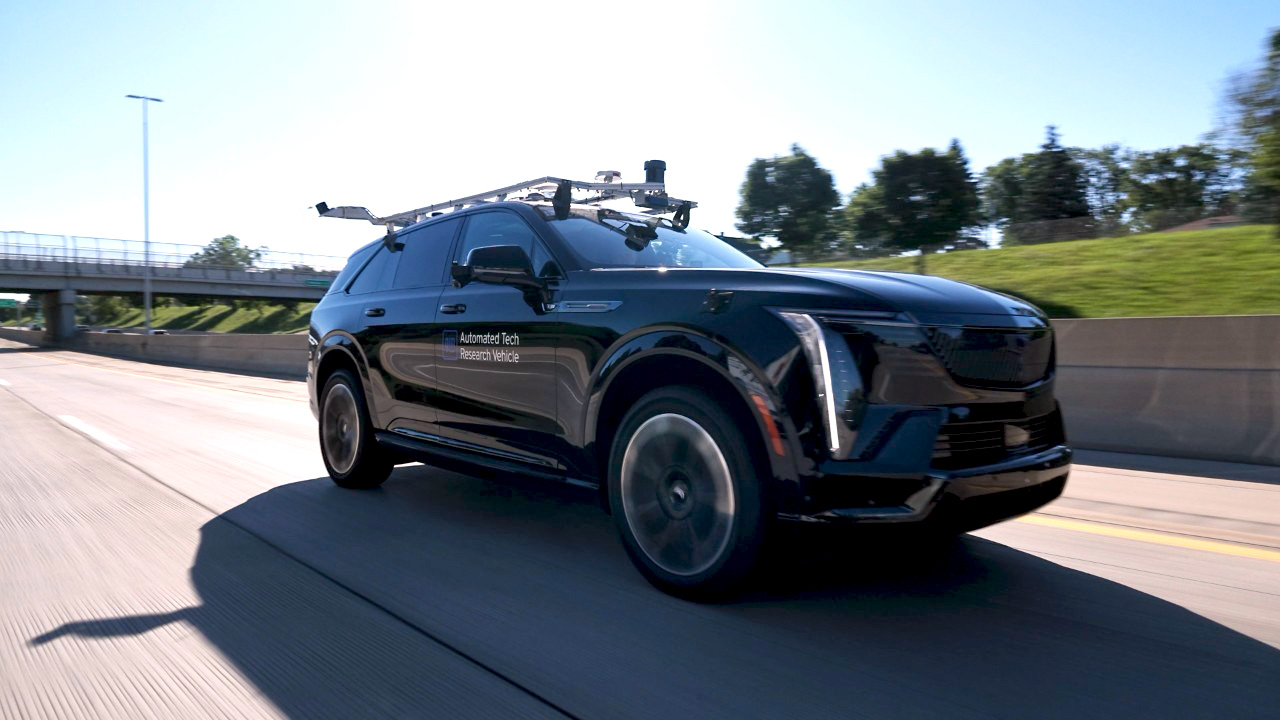
General Motors (GM) has set out plans for what it calls the intelligence-defined vehicle, using AI to halve a development cycle of up to five years and spreading one computing architecture across gasoline and electric models. The architecture debuts on the Cadillac Escalade IQ in 2028, alongside autonomous highway driving.
A single central computer will run perception, active safety, propulsion and chassis control, with 40 times the processing power of earlier systems and 30% less wiring. Rolling it into high-volume gasoline SUVs and pickups as well as electric vehicles (EVs) puts GM’s software into its largest segments.
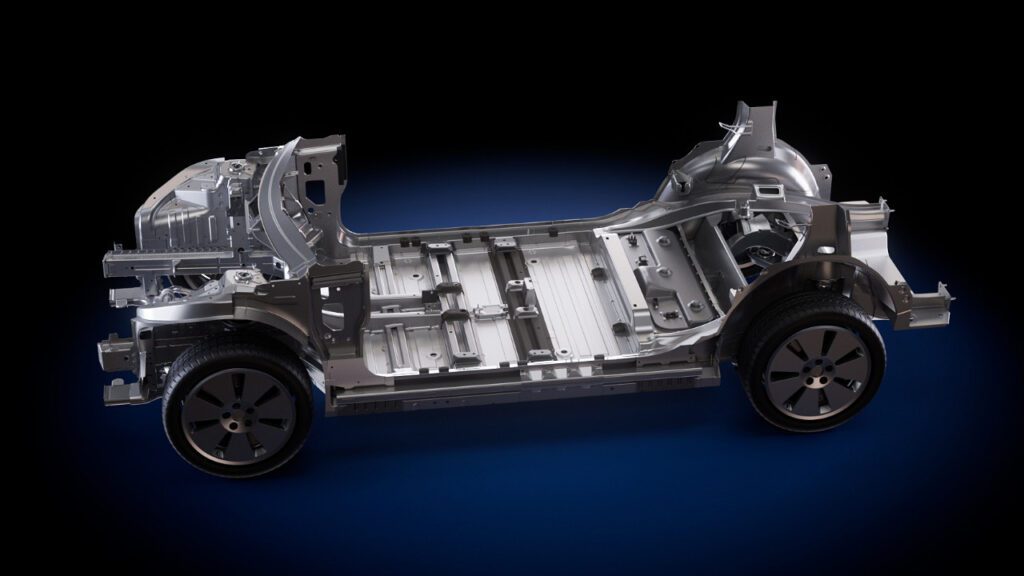
The fourth-generation EV platform adds lithium manganese-rich cells from Ultium Cells, GM’s partnership with LG Energy Solution in Tennessee. GM expects about 20% more range per kW/h than current EVs, helped by drive units with 40% fewer parts, and says the chemistry beats lithium iron phosphate on energy density by a third at similar cost.

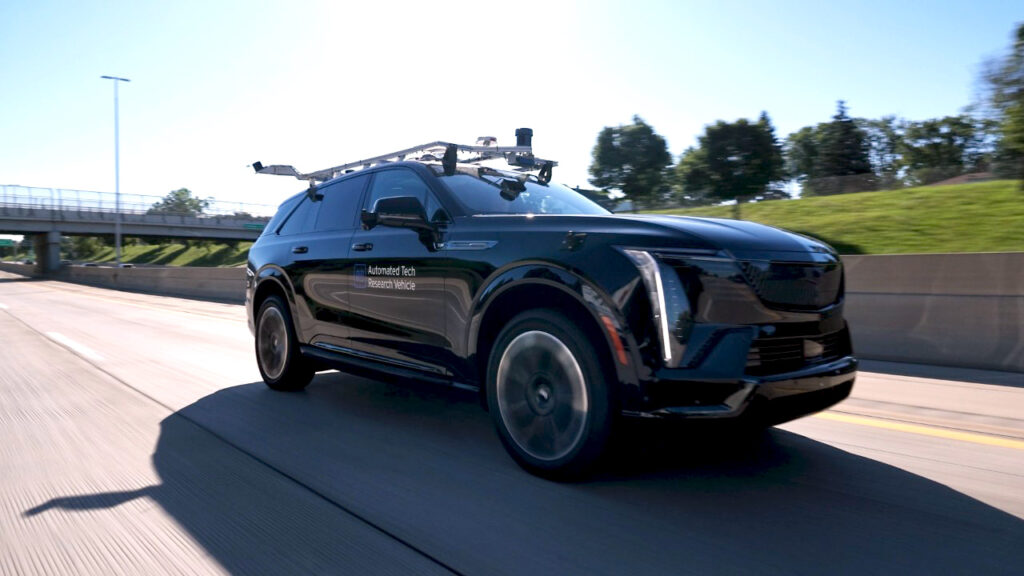
Highway autonomy is in closed-course testing and will later reach gasoline full-size SUVs and pickups. GM’s Road to Sim pipeline turns road logs into 3D simulations, multiplying each recorded event into dozens of variants to test rare situations at a scale road driving cannot match.

OnStar, with more than 12 million subscribers, will add an AI assistant to the 2027 Cadillac Lyriq by remote update within months, able to pass drivers to a human advisor. A single OnStar app will replace GM’s brand apps in 2027.
Source: GM