Adventure motorcycles have come a long way since they first took shape. They’ve grown bigger, more powerful, flashier, and definitely more expensive, to the point where some flagship ADVs pack enough performance and tech to embarrass even sports cars. But the biggest bike might not necessarily always be the best one for the job. After all, what do you really need from an adventure motorcycle?
What Makes An Affordable ADV The Better Pick Over The Flagship
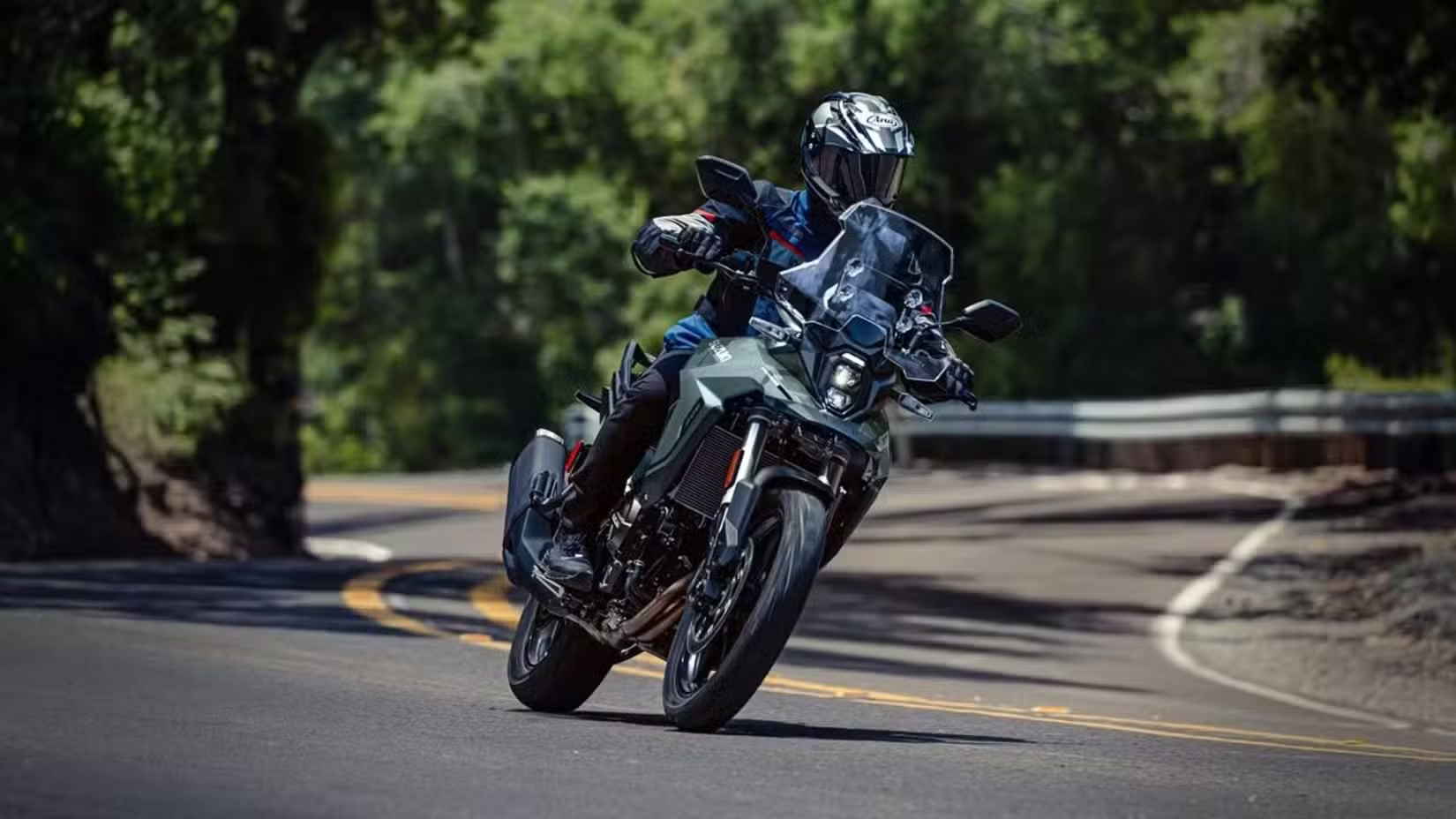
A good starting point is an engine that can cruise comfortably on the highway yet deliver usable torque on loose gravel, enough suspension travel and ground clearance to tackle rough terrain, a seat you can live with all day, and enough tech to keep things convenient. Japanese manufacturers have a few answers to that brief, and Suzuki has a particularly compelling one for riders who want to get the most out of their money without venturing too far into diminishing returns.
Realistically, not everyone buying an adventure bike is going to spend their weekends tackling trails. For plenty of riders, off-roading might amount to the odd gravel road or a rough stretch of tarmac, and that’s where models like the Suzuki V-Strom 800 start making a lot of sense. It uses the same 776cc parallel twin as its more expensive variant, so you don’t have to sacrifice engine performance to save money. Though for $1,550 more, you can ensure you won’t need anything else by upgrading to the more adventurous version.
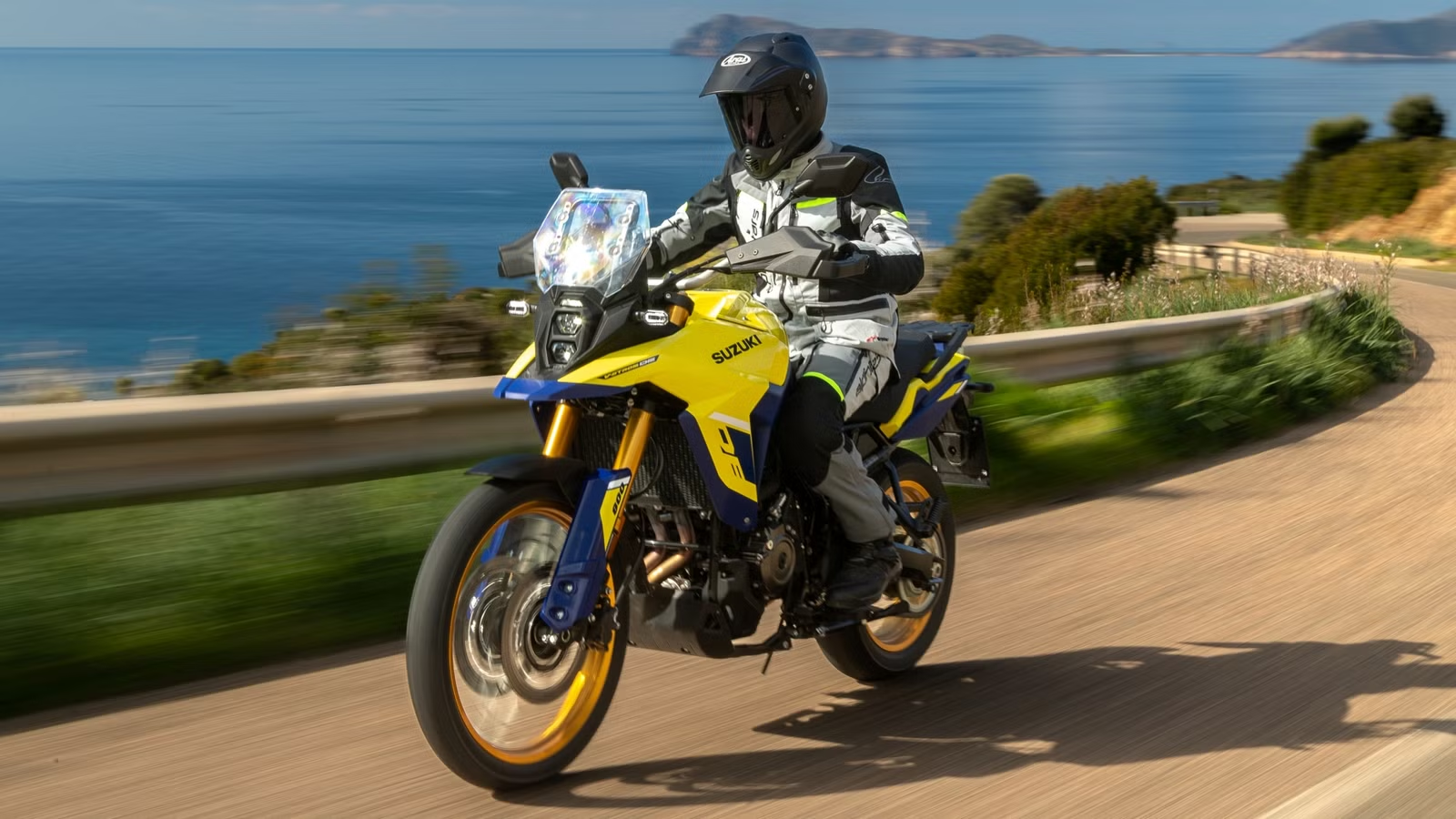
The Suzuki V-Strom 800DE Delivers The Adventure Capability Most Riders Need

The Suzuki V-Strom 800DE sits between the V-Strom 650XT and the larger V-Strom 1050DE, giving riders a middleweight option without asking them to step up to a liter-class machine. A 776cc parallel twin? Check. An off-road-ready chassis? Check. Comfortable touring equipment? Check. All wrapped in rally-inspired styling with a nod to Suzuki’s Dakar racing heritage. This could also be your do-it-all motorcycle, all without paying flagship money.
The Price Is Accessible For The Masses, Too

At $11,799 before destination charges and other fees, the V-Strom 800DE isn’t the cheapest middleweight ADV around. The 2026 Honda Transalp E-Clutch starts at $10,199, while the Yamaha Ténéré 700 comes in at $10,999. The Yamaha leans harder into off-road riding, with its rally-inspired setup, while the Suzuki balances dirt-road ability with everyday usability and long-distance touring. And if you’re eyeing the bigger V-Strom 1050DE, its $16,449 starting price makes the 800DE’s appeal even clearer.
The 776cc Parallel-Twin Has Plenty To Offer, Regardless Of The Requirement
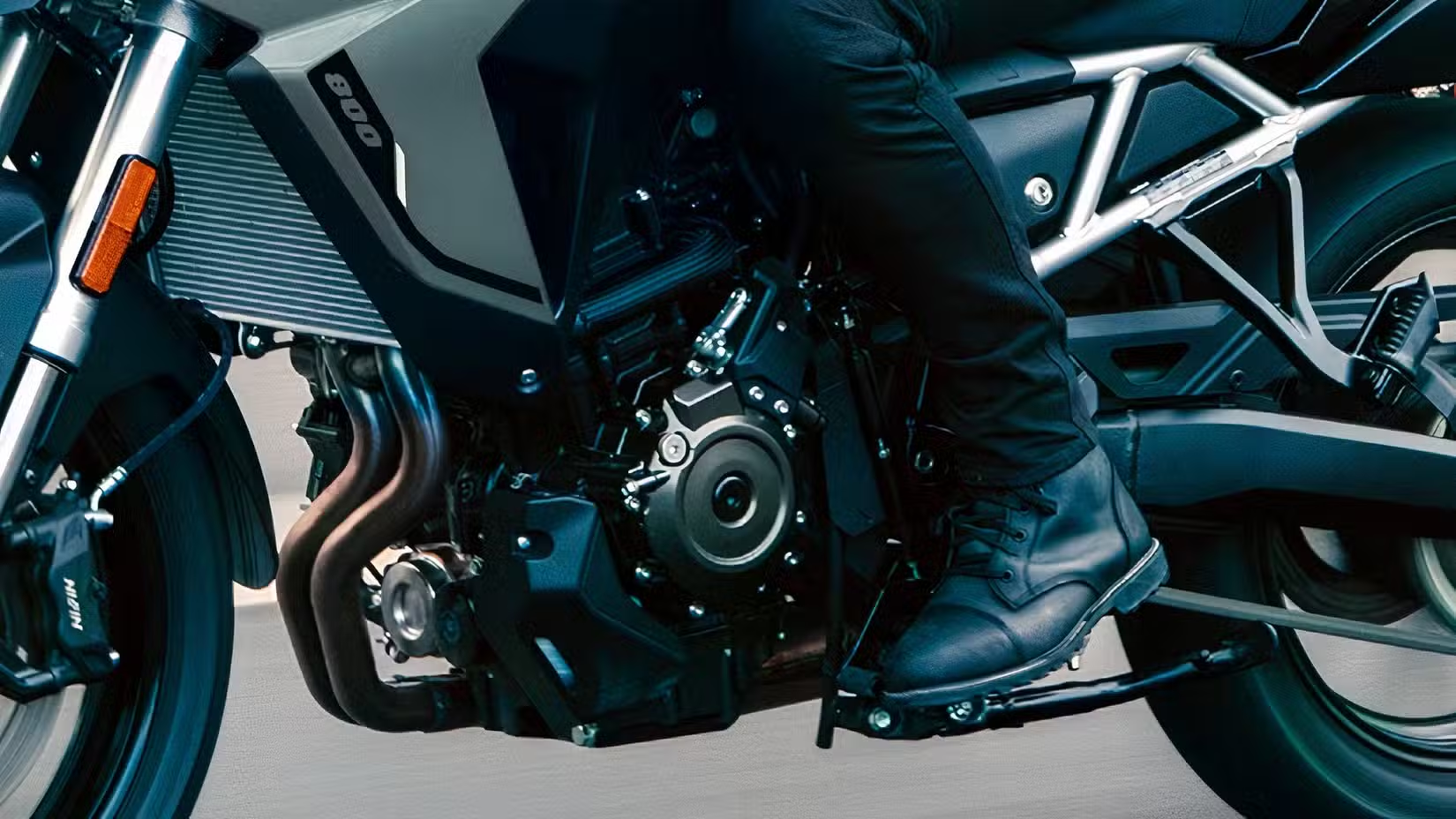
Unlike its V-Strom siblings, the 800DE uses a 776cc liquid-cooled, DOHC parallel twin instead of the V-twin layout found in the V-Strom 650XT and 1050DE. Suzuki hasn’t completely abandoned that familiar engine character, though. The 800DE’s 270-degree crankshaft gives the parallel twin a firing rhythm and exhaust note reminiscent of the brand’s 90-degree V-twins. Suzuki doesn’t officially list horsepower or torque figures on its US specification page, but commonly published figures put the V-Strom 800DE at 83 horsepower at 8,500 rpm and 57.5 pound-feet of torque at 6,800 rpm. A six-speed gearbox sends that power to the rear wheel, giving the middleweight ADV the performance to handle highway cruising and longer touring duties.
Ride-by-wire throttle control allows the rider to choose between three engine response modes, while Low RPM Assist helps prevent stalling when pulling away or moving slowly through tricky sections. The transmission gets a bi-directional quickshifter as standard, allowing clutchless upshifts and downshifts. That’s useful when accelerating along the highway, but it also makes gear changes less of a chore on winding back roads. Suzuki’s Clutch Assist System helps keep lever effort light and smooths out downshifts.
A 21-Inch Front Wheel And Long-Travel Suspension Are Ready For Rougher Ground

The 800DE gets the familiar 21-inch front and 17-inch rear wheel combination, with wire spokes at both ends. Both wheels use tube-type tires, so fixing a puncture won’t be as straightforward as it would be with tubeless rubber. The Showa suspension offers 8.7 inches of travel at both ends, matched by 8.7 inches of ground clearance. You can adjust compression and rebound damping, too, while the rear shock gets a remote preload adjuster for easier setup when carrying luggage or a passenger. A steel frame and aluminum swingarm complete the package.
Gravel Mode And Switchable Rear ABS Boost Rideability
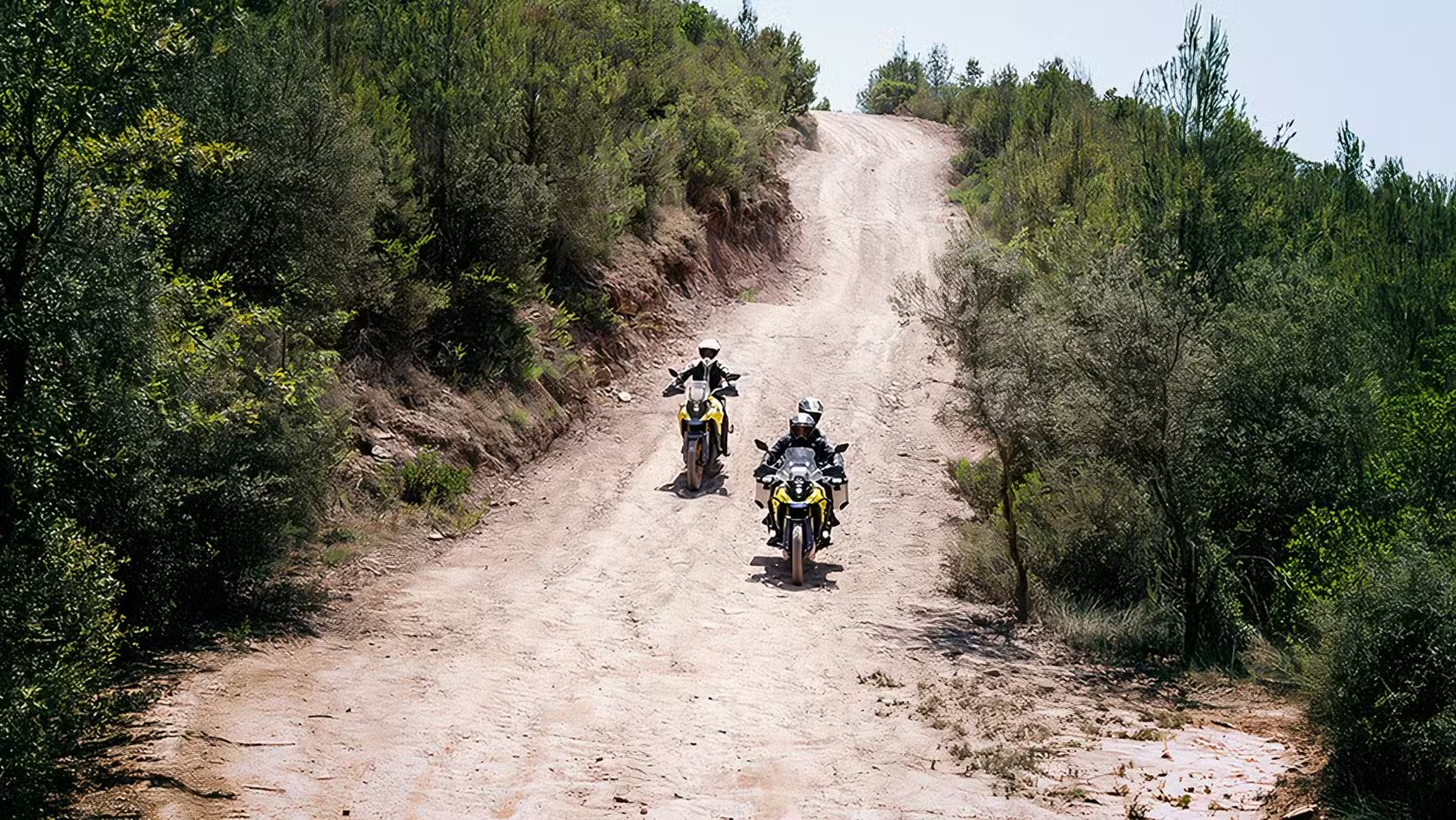
The V-Strom 800DE gets a few useful touches for riding away from the pavement. In brief, Gravel mode lets the rear wheel spin a little on loose surfaces instead of having traction control immediately cut in. There are also three regular traction-control modes, along with the option to switch the system off. The ABS has two intervention settings, and you can disable it at the rear wheel for off-road riding.
These controls give riders more freedom to adapt the bike to the surface beneath them, whether that’s loose gravel or firmer dirt. They don’t make the Suzuki a lightweight enduro bike (thanks to its curb weight), but they do give it more versatility than a road-focused adventure tourer.
There’s Enough Comfort For Long Days In The Saddle
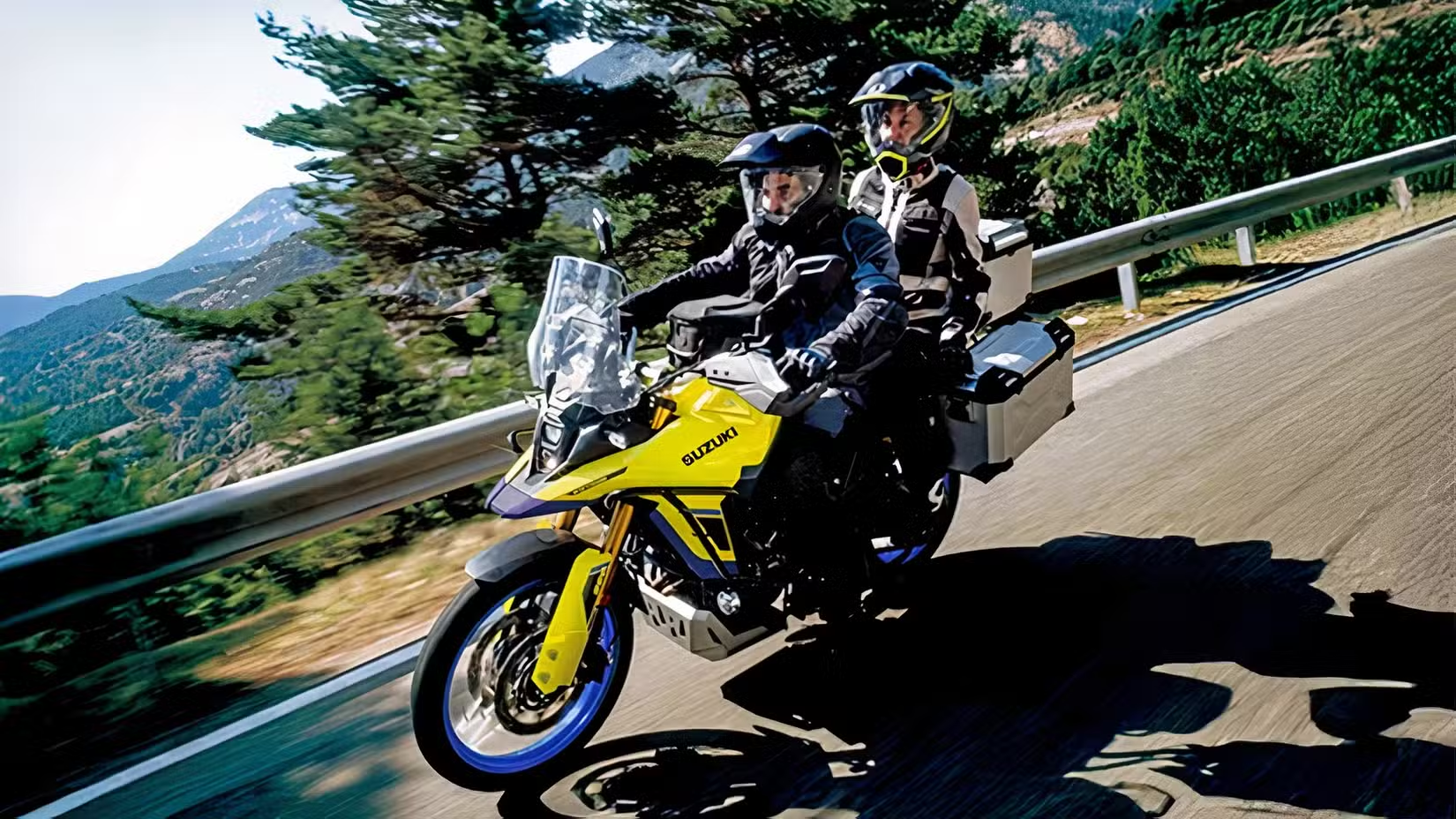
Even if you plan to take the V-Strom 800DE off-road, you still have to get to the trailhead. That’s where the on-road side of an adventure bike matters just as much as its ability to handle rough terrain. The Suzuki’s 33.7-inch seat height is fairly tall, as you’d expect from a bike with this kind of off-road focus, while its 507-pound curb weight means it’s no lightweight to maneuver at a standstill.
The manually adjustable, three-position windscreen helps with wind protection on longer rides, and the 5.3-gallon fuel tank means you won’t have to keep stopping for gas. You also get a five-inch color TFT display with day and night modes, a USB port for charging your phone, and Suzuki Easy Start. There’s no sprawling suite of flagship-level tech here, but the essentials are covered, which is what helps keep the 800DE’s price in check without leaving out the stuff you’ll actually use.
Sources: Suzuki, Honda Powersports, and Yamaha Motorsports